
Standard Size of Slab
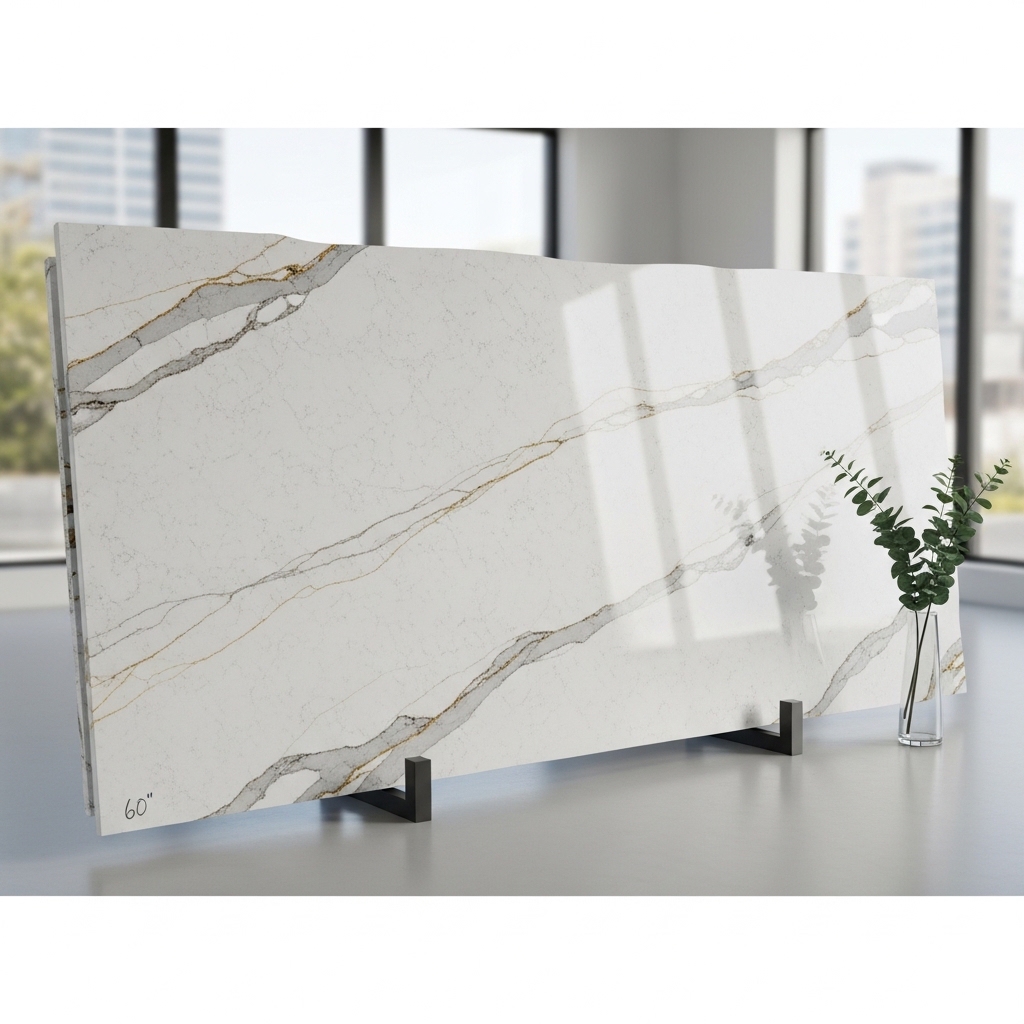
Standard size of slab (general stone slab sizes across common countertop materials) varies by category, but typical “standard” ranges often fall in these bands: engineered stone slabs are commonly 56 in × 120 in (142.24 cm × 304.80 cm) or 63 in × 126 in (160.02 cm × 320.04 cm), while many natural-stone slabs (granite, marble, quartzite) are often around 108–120 in long × 60–78 in wide (274.32–304.80 cm × 152.40–198.12 cm), depending on quarry output and supplier bundles. Smaller half-slabs are also common around 96 in × 48 in (243.84 cm × 121.92 cm) for certain projects. Thickness for most slab materials is typically 2 cm (0.79 in / 20 mm) or 3 cm (1.18 in / 30 mm), with 1.5 cm (0.59 in / 15 mm) sometimes used for wall cladding and lighter applications.
Regular Size
56 in × 120 in (engineered) or about 120 in × 72 in (natural stone), thickness 0.79 in (2 cm) or 1.18 in (3 cm).
Jumbo Size
63 in × 126 in (engineered jumbo) or 126 in × 78 in (natural-stone jumbo), thickness 0.79 in (2 cm) or 1.18 in (3 cm).
Super Size
78 in × 138 in (engineered super) or 138 in × 78 in (natural-stone super), thickness 0.79 in (2 cm) or 1.18 in (3 cm).
Super Jumbo
137.80 in × 78.74 in (engineered super jumbo) or 138 in × 78 in (natural-stone super), thickness 0.79 in (2 cm) or 1.18 in (3 cm).
Mini Slab
48 in × 96 in (mini engineered) or 96 in × 48 in (mini natural stone), thickness 0.79 in (2 cm) or 1.18 in (3 cm).
Selecting Standard Slab Measurements
Selecting standard slab measurements is a critical step in ensuring that a project meets its functional and aesthetic goals while adhering to budget constraints and the expertise of the fabricator.
First, consider the project dimensions; for instance, if the area to be covered is 100 square feet, selecting slabs that are 2 feet by 4 feet can minimize the number of seams and enhance the overall appearance.
The desired aesthetic also plays a significant role; for a modern look, larger slabs (such as 3 feet by 6 feet) may be preferred to create a seamless effect, while smaller, patterned slabs can add character to traditional designs.
Budget constraints cannot be overlooked; standard slabs typically range from $5 to $15 per square foot, so selecting a size that maximizes coverage while minimizing waste is essential.
Additionally, the fabricator’s expertise should guide the selection process; if the fabricator specializes in large-format tiles, opting for larger slabs may yield better results.
Finally, specific design requirements, such as the need for custom cuts or unique shapes, should be factored in, as these can influence both the choice of slab size and the overall cost. Balancing these elements will lead to a successful project outcome.
Bigger Slab Measurements: Key Upsides
Selecting standard slab measurements or opting for bigger slab measurements comes with several advantages that can significantly impact construction efficiency and aesthetic appeal.
One of the primary benefits of standard slab measurements, typically around 4 feet by 8 feet, is their ease of handling and installation. These dimensions are widely available, making them cost-effective and reducing lead times for procurement. Additionally, standard sizes minimize waste, as they can be easily cut to fit specific project requirements without excessive leftover material.
On the other hand, bigger slab measurements, such as 5 feet by 10 feet or larger, offer the advantage of fewer seams, which can enhance the overall structural integrity and visual continuity of a surface. For instance, using larger slabs can reduce the number of joints by up to 50%, leading to a more seamless appearance and lower maintenance needs over time.
Furthermore, larger slabs can be particularly beneficial in expansive areas, such as commercial spaces or open-plan homes, where fewer interruptions in the flooring or surface can create a more cohesive look. In terms of labor, larger slabs can also reduce installation time, as fewer pieces need to be laid down, potentially saving on labor costs. Overall, whether choosing standard or larger slab measurements, the decision should align with the specific needs of the project, balancing cost, aesthetics, and functionality.
Rule-of-Thumb Waste Factor for Stone Slabs
When working with stone slabs, understanding the Rule-of-Thumb Waste Factor is essential for accurate budgeting and material procurement. Typically, the waste factor for stone slabs ranges from 10% to 20%, depending on the complexity of the project and the type of stone being used. For instance, if you are installing 100 square feet of granite countertops, you should consider ordering an additional 10 to 20 square feet to account for cuts, breaks, and design intricacies.
This waste factor is particularly important in projects that involve intricate cuts or patterns, where the likelihood of waste increases. Additionally, factors such as the size of the slabs, the layout of the installation, and the skill level of the fabricator can influence the amount of waste generated.
By applying the Rule-of-Thumb Waste Factor, you can ensure that you have enough material to complete your project without significant delays or additional costs, ultimately leading to a more efficient and cost-effective installation process.
Stone Slab Material: Largest Standard Format
Stone slab material has gained immense popularity in the construction and design industries due to its durability, aesthetic appeal, and versatility. Among the various formats available, the largest standard format stone slabs are particularly noteworthy. These slabs can measure up to 3200 mm x 1600 mm (approximately 10.5 ft x 5.25 ft), allowing for expansive surfaces with minimal seams. This size is ideal for applications such as countertops, wall cladding, and flooring, where a continuous look is desired.
The use of large format stone slabs not only enhances the visual impact of a space but also reduces the number of joints, which can be potential weak points in the material. With fewer seams, the risk of dirt accumulation and moisture penetration is significantly lowered, making maintenance easier and improving the longevity of the installation. Additionally, the large size allows for more creative design possibilities, enabling architects and designers to create bold statements in both residential and commercial settings.
In terms of material selection, stone slabs are available in various types, including granite, marble, quartzite, and limestone, each offering unique characteristics and aesthetic qualities. For instance, granite is renowned for its strength and resistance to scratching, while marble is celebrated for its luxurious appearance and veining patterns. The choice of stone can greatly influence the overall ambiance of a space, and the large format enhances these natural features, making them more prominent.
Furthermore, advancements in technology have made it possible to produce these large slabs with greater precision and consistency. This has led to improved quality control and a wider range of finishes, from polished to honed, catering to diverse design preferences. The ability to source large slabs from quarries around the world also means that designers have access to an extensive palette of colors and textures, allowing for personalized and unique installations.
In conclusion, the largest standard format stone slabs represent a significant evolution in stone material usage, combining functionality with aesthetic appeal. Their size not only facilitates modern design trends but also addresses practical concerns related to maintenance and durability. As the demand for large format stone continues to grow, it is clear that these materials will play a pivotal role in shaping the future of architectural and interior design.
Stone Slab Materials: Thickness for Heavy-Use Floors
Stone slab materials are increasingly popular for heavy-use floors due to their durability and aesthetic appeal. When considering thickness for these slabs, it is essential to recognize that the demands of high-traffic areas necessitate a robust material that can withstand significant wear and tear. Typically, stone slabs used in commercial settings range from 2 cm to 3 cm in thickness. A 2 cm thick slab is often suitable for residential applications or areas with moderate foot traffic, while a 3 cm thickness is recommended for commercial spaces, such as retail stores or restaurants, where the floors experience heavier loads and more frequent use.
The choice of thickness not only impacts the durability of the flooring but also influences installation methods and costs. Thicker slabs generally require more substantial support structures, which can increase installation complexity and expense. For instance, a 3 cm thick slab may necessitate a reinforced subfloor to accommodate its weight, especially in multi-story buildings. Additionally, the overall weight of the stone can affect transportation and handling, making it crucial to plan for logistics when selecting thicker materials.
Moreover, the type of stone also plays a significant role in determining the appropriate thickness. For example, granite and quartzite are known for their strength and can often be used in thinner applications without compromising integrity. In contrast, softer stones like limestone or marble may require greater thickness to ensure longevity in high-traffic areas. It is also worth noting that the finish of the stone can affect its performance; honed finishes may be more susceptible to scratching, while polished surfaces can be more resistant but may require more maintenance to keep them looking pristine.
In conclusion, selecting the right thickness for stone slab materials in heavy-use floors is crucial for ensuring durability and performance. A careful assessment of the specific application, expected foot traffic, and type of stone will guide the decision-making process. By opting for the appropriate thickness, property owners can achieve a balance between aesthetic appeal and functional resilience, ensuring that their flooring investment stands the test of time.
Standard slab measurements for walls & decorative surfaces
Standard slab measurements (across many surface materials) typically refer to widely produced large sheets that balance coverage, handling, and transport efficiency for architectural use.
For wall and decorative surfaces, these standard slabs are often cut into panels that suit the project’s access limitations while maintaining a clean, modern look.
As an example approach, a full slab can be divided into large modules (such as 800 × 1600 mm or similar) so panel joints align in a consistent grid and installation remains predictable.
Thickness selection often targets safe vertical performance, frequently in the 6–12 mm range for engineered surfaces, or heavier ranges for natural stones depending on fixing methods.
A “standard slab” plan also includes consistent joint spacing and carefully finished edges so the overall elevation reads uniform and refined.
Standard slab measurements for stairs
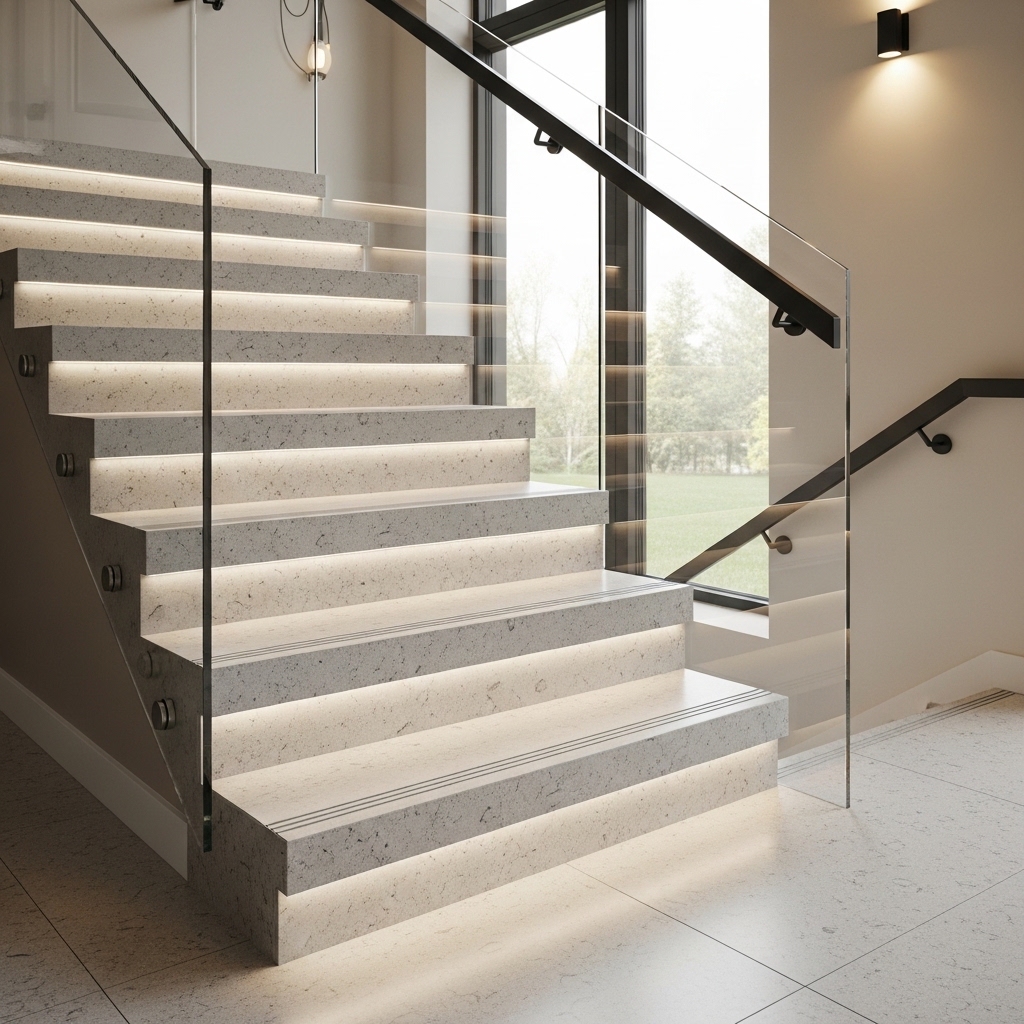
“Standard slab” sizing for stairs usually refers to commonly supplied large sheets across stone surfaces that are practical to transport and cut into repeated step components.
In many projects, standard slab formats are used to create a consistent module of treads and risers, while keeping the landing either seam-free or with joints aligned to the stair geometry.
For example, designers may standardize tread pieces and use calmer areas for risers so the staircase looks uniform even when the surface has movement or veining.
Thickness choice is part of standard planning—stairs typically favor robust tread thickness (often around 20 mm) while relying on edge build-ups if a thicker visual profile is desired.
The key to standard slabs on stairs is predictable yield and repeatable alignment, so every step reads straight and consistent from bottom to top.
In general stone terminology across the UAE, standard size of slab refers to commonly stocked dimensions that balance coverage and handling ease, such as 3000–3200 mm lengths and 1400–1600 mm widths for engineered stones. These sizes simplify fabrication planning and transportation logistics. When focusing specifically on engineered stone, designers often translate this into the slab of quartz size most suitable for the project.
Standard Size of Slab Guide for Choosing a Corian Top Supplier in Sharjah
A standard size of slab guide for choosing a Corian top supplier in Sharjah usually involves comparing common stone slab dimensions, such as 3000–3200 mm lengths, with Corian sheet sizes that allow seamless fabrication. Understanding these size differences helps homeowners and designers plan layouts with minimal joints. Working with a trusted corian top supplier in sharjah ensures accurate sizing, smooth finishes, and reliable installation.
Standard Size of Slab for Raised Floor Design
Standard size of slab selection is critical in raised floor design, where coordination between finishes and access panels is essential. Slabs measuring between 3000 and 3200 mm in length are commonly preferred, as they align well with typical floor grid systems. This standardization improves installation accuracy and reduces on-site adjustments.