
Cobble Stone Size Guide
Cobblestone size varies because cobbles are supplied in graded ranges rather than one exact dimension, but common landscaping cobbles are often sold as 2–3 in (5.08–7.62 cm), 3–5 in (7.62–12.70 cm), 4–6 in (10.16–15.24 cm), or 6–9 in (15.24–22.86 cm) stones, where the stated size is the approximate “face” dimension of each piece. If you need a thickness figure for specification, the thickness is typically in the same general range as the cobble’s nominal size (for example, 3–5 in cobbles are commonly about 3–5 in thick, i.e., 7.62–12.70 cm), because cobbles are three-dimensional pieces rather than thin slabs. For flatter paving-style cobbles (setts), common nominal piece sizes are around 4 in × 6 in (10.16 cm × 15.24 cm) or 6 in × 6 in (15.24 cm × 15.24 cm), often supplied at about 2–3 in thick (5.08–7.62 cm) for durable outdoor paving.
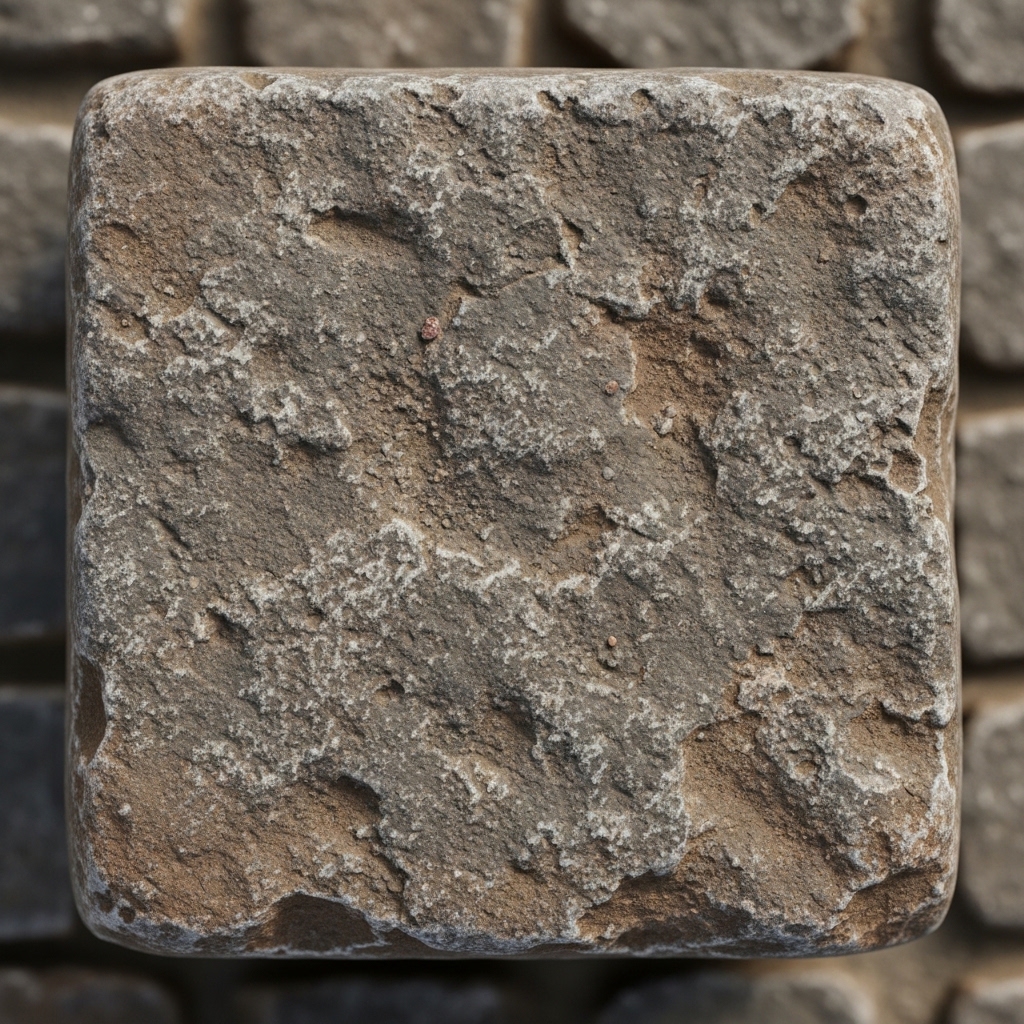
Regular Size
2–3 in, 3–5 in, 4–6 in, or 6–9 in (thickness typically similar range).
Jumbo Size
6–9 in (common jumbo landscaping cobbles; thickness typically similar range).
Super Size
9–12 in (large/super landscaping cobbles; thickness typically similar range).
Super Jumbo
12–18 in (extra-large/super cobbles; thickness typically similar range).
Mini Slab
2–3 in or 3–5 in (common small cobbles; thickness typically similar range).
Picking the Right Cobble Stone Grading
When selecting the right cobblestone grading for a project, it is essential to consider various factors that align with the project’s dimensions, desired aesthetic, budget constraints, fabricator’s expertise, and specific design requirements.
The dimensions of the project play a crucial role in determining the size and shape of the cobblestones; for instance, larger stones may be suitable for expansive driveways, while smaller stones can enhance the intricacy of pathways or patios.
Aesthetic preferences should also guide the selection process; if a rustic look is desired, irregularly shaped stones in earthy tones may be ideal, whereas a more formal appearance might call for uniform, cut stones in a consistent color palette.
Budget constraints are another critical factor; cobblestones can range from $5 to $20 per square foot, depending on the material and finish, so it’s vital to balance quality with affordability.
The expertise of the fabricator should not be overlooked, as their experience with specific types of cobblestones can influence the installation process and overall outcome; for example, a fabricator skilled in laying intricate patterns may be necessary for complex designs.
Lastly, specific design requirements, such as drainage considerations or load-bearing needs, must be addressed; for instance, a project requiring heavy vehicle access may necessitate thicker stones or a specific grading to ensure durability. By carefully evaluating these factors, one can make an informed decision that enhances both the functionality and beauty of the project.
Bigger Cobble Grades: Key Advantages
Choosing the right cobblestone grading or opting for larger cobble grades offers several significant advantages that can enhance both aesthetic appeal and functional performance.
Firstly, larger cobble stones, typically ranging from 4 to 8 inches in diameter, provide a robust and durable surface that can withstand heavy foot traffic and vehicular loads, making them ideal for driveways and walkways.
This durability translates to lower maintenance costs over time, as larger stones are less likely to shift or become dislodged compared to smaller grades.
Additionally, the visual impact of larger cobbles can create a striking and timeless look, enhancing the overall landscape design and increasing property value.
Furthermore, the spacing between larger stones allows for better drainage, reducing the risk of water pooling and erosion, which is particularly beneficial in areas prone to heavy rainfall.
In terms of installation, larger cobbles can often be laid more quickly than smaller ones, saving both time and labor costs.
Overall, selecting the right cobblestone grading not only improves the functionality and longevity of the paved area but also contributes to a more visually appealing outdoor environment.
Cobble Stone Material: Likely Wastage Range
Cobble stone material is a popular choice for various landscaping and construction projects due to its durability and aesthetic appeal. However, when working with cobble stones, it is essential to consider the likely wastage range, which typically falls between 5% to 10% of the total quantity ordered. This wastage can occur due to several factors, including breakage during transportation, cutting errors, and miscalculations in the layout. For instance, if a project requires 1,000 cobble stones, it would be prudent to order an additional 50 to 100 stones to account for potential wastage.
Furthermore, proper planning and careful handling can significantly reduce wastage. It is advisable to inspect the stones upon delivery to identify any damaged pieces immediately. Additionally, employing skilled labor for installation can minimize cutting errors and ensure that the stones fit together seamlessly, thereby reducing the need for excess material.
Ultimately, understanding the likely wastage range and implementing strategies to mitigate it can lead to more efficient use of resources and cost savings in cobble stone projects.
Cobble Stone Material: Largest Grade Options
Cobblestone is a timeless material that has been used for centuries in various applications, particularly in paving streets, walkways, and driveways. Its durability and aesthetic appeal make it a popular choice for both residential and commercial projects. One of the key aspects of cobblestone is its size, which can vary significantly. The largest grade options typically range from 4 inches to 12 inches in diameter, depending on the specific type of cobblestone and its intended use.
When considering the largest grade options, it is essential to note that larger cobblestones can create a more rustic and traditional look, often associated with historical streetscapes. For instance, cobblestones measuring around 8 inches in diameter can provide a robust surface that withstands heavy traffic while also offering a unique visual texture.
In addition to their size, the thickness of cobblestones can also vary, with some options reaching up to 4 inches thick. This thickness not only contributes to the overall durability of the material but also allows for better drainage, reducing the risk of water pooling on the surface.
Moreover, larger cobblestones can be more challenging to install due to their weight and size, often requiring specialized equipment and skilled labor. However, the end result can be stunning, with a strong, long-lasting surface that enhances the character of any outdoor space.
In summary, the largest grade options for cobblestone, ranging from 4 to 12 inches in diameter, offer a blend of durability and aesthetic appeal. Their substantial size and thickness make them suitable for various applications, ensuring that they not only serve a functional purpose but also contribute to the overall beauty of the environment in which they are placed.
Cobble Stone Material: Thickness for Heavy Footfall
Cobblestone is a traditional paving material known for its durability and aesthetic appeal, making it a popular choice for areas with heavy foot traffic. When considering the thickness of cobblestones for such applications, it is essential to ensure that they can withstand the stresses imposed by constant use. Typically, cobblestones used in high-traffic areas should have a thickness ranging from 4 to 6 inches. This thickness provides the necessary strength to resist cracking and wear over time, ensuring longevity and safety for pedestrians.
In addition to thickness, the installation method plays a crucial role in the performance of cobblestones under heavy footfall. A well-prepared base, often consisting of compacted gravel or sand, is vital to distribute the weight evenly and prevent shifting or settling. The interlocking nature of cobblestones also contributes to their stability, as the stones fit snugly together, reducing the likelihood of movement. Proper jointing materials, such as sand or polymeric jointing compounds, can further enhance the durability of the surface by preventing weed growth and water infiltration.
Moreover, the choice of stone type can influence the overall performance of cobblestones in high-traffic areas. Harder stones, such as granite or basalt, are preferred for their resistance to wear and ability to maintain their appearance over time. In contrast, softer stones may wear down more quickly, leading to uneven surfaces and potential hazards for pedestrians. It is also important to consider the surface finish of the cobblestones; a textured surface can provide better traction, reducing the risk of slips and falls, especially in wet conditions.
In summary, selecting the appropriate thickness of cobblestones, typically between 4 to 6 inches, along with proper installation techniques and material choices, is crucial for ensuring their performance in areas with heavy foot traffic. By paying attention to these factors, property owners can create safe, durable, and visually appealing walkways that stand the test of time.
Cobblestone format guide for walls & decorative surfaces
A cobblestone format guide for walls and decorative surfaces focuses on selecting stone type, cut style, and installation pattern to achieve the desired rustic or contemporary texture on vertical elevations.
Cobblestone is often supplied as setts, slices, or cladding pieces that can be laid in courses, random patterns, or modular grids depending on the visual effect and the wall’s geometry.
For example, a decorative wall can use a more uniform set of pieces for a cleaner architectural rhythm, while a mixed-size blend creates a more traditional, organic look with deeper shadow lines.
Because cobblestone has strong texture, format planning also considers joint treatment and how light will hit the surface—deeper relief creates dramatic shadows, which can make feature walls feel richer and more dimensional.
A good guide also accounts for corner detailing and termination edges (returns, trims) so the cobblestone surface looks complete rather than abruptly cut off at wall ends.
Cobblestone format guide for stairs
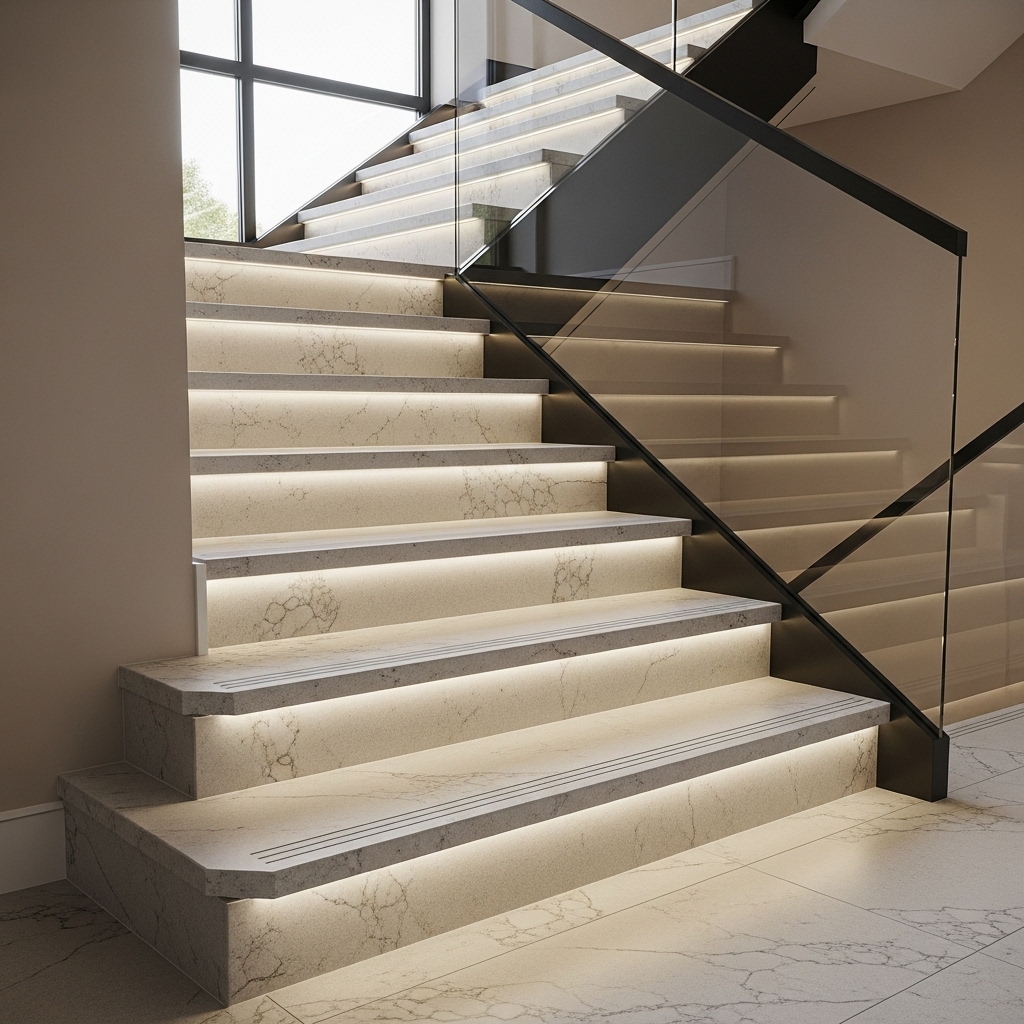
A cobblestone format guide for stairs focuses on selecting the right cobble presentation—setts, sliced cobble cladding, or modular pieces—and choosing a layout that fits both safety and style.
On stairs, cobblestone is typically used as textured treads, decorative riser bands, or side feature cladding, where the natural relief adds strong character and can enhance perceived grip.
For example, a coursed layout creates a more structured look on stair-side walls, while a mixed-size random layout produces a rustic, organic feel with deeper shadows and stronger texture.
Format planning also considers edge detailing and terminations, ensuring stair edges and corners are finished cleanly with returns or trims rather than leaving raw, uneven edges.
Because cobblestone has a pronounced surface, joint style matters—
For landscaping and exterior hardscapes in the UAE, cobble stone size is often specified in small, modular units such as 90 × 90 mm, 100 × 100 mm, or similar ranges depending on design intent. These compact sizes allow for flexible patterns and strong load distribution. Indoors, measurements are far more linear, and designers often re
Cobble Stone Size Guide for Outdoor Areas Near Marble Countertops
A cobble stone size guide for outdoor areas near marble countertops often references compact units such as 90 × 90 mm or 100 × 100 mm, which provide durability and flexible layout patterns for pathways and patios. These smaller stones contrast effectively with large interior surfaces and help define transitions between indoor and outdoor zones. When outdoor paving is designed adjacent to marble countertops, careful size coordination ensures both visual harmony and practical durability.
Cobble Stone Size Guide for Raised Floor Areas
Cobble stone size planning for raised floor areas often focuses on smaller modular units rather than full slabs. Common cobble stone sizes range from 100 × 100 mm to 200 × 200 mm, making them suitable for perimeter zones and transition areas. When used alongside a raised floor, correct sizing ensures stability, uniform spacing, and safe load transfer.