
Counter Top Size: Finding the Perfect Fit for Your Space
Counter top size (finished kitchen countertop dimensions) typically follows cabinet standards: the most common finished height is about 36 in (91.44 cm) from floor to surface, and the most common finished depth is 25–25.5 in (63.50–64.77 cm) to cover 24 in (60.96 cm) base cabinets with a 1–1.5 in (2.54–3.81 cm) front overhang. Straight countertop runs are cut to the kitchen layout, but many single-piece sections are often around 72–120 in long (182.88–304.80 cm) before seams, while islands commonly range about 36–60 in wide (91.44–152.40 cm) and 72–120 in long (182.88–304.80 cm). For stone/quartz counters, common thickness is 2 cm (0.79 in / 20 mm) or 3 cm (1.18 in / 30 mm), and built-up edges can make the front appear about 1.5 in thick (3.81 cm).
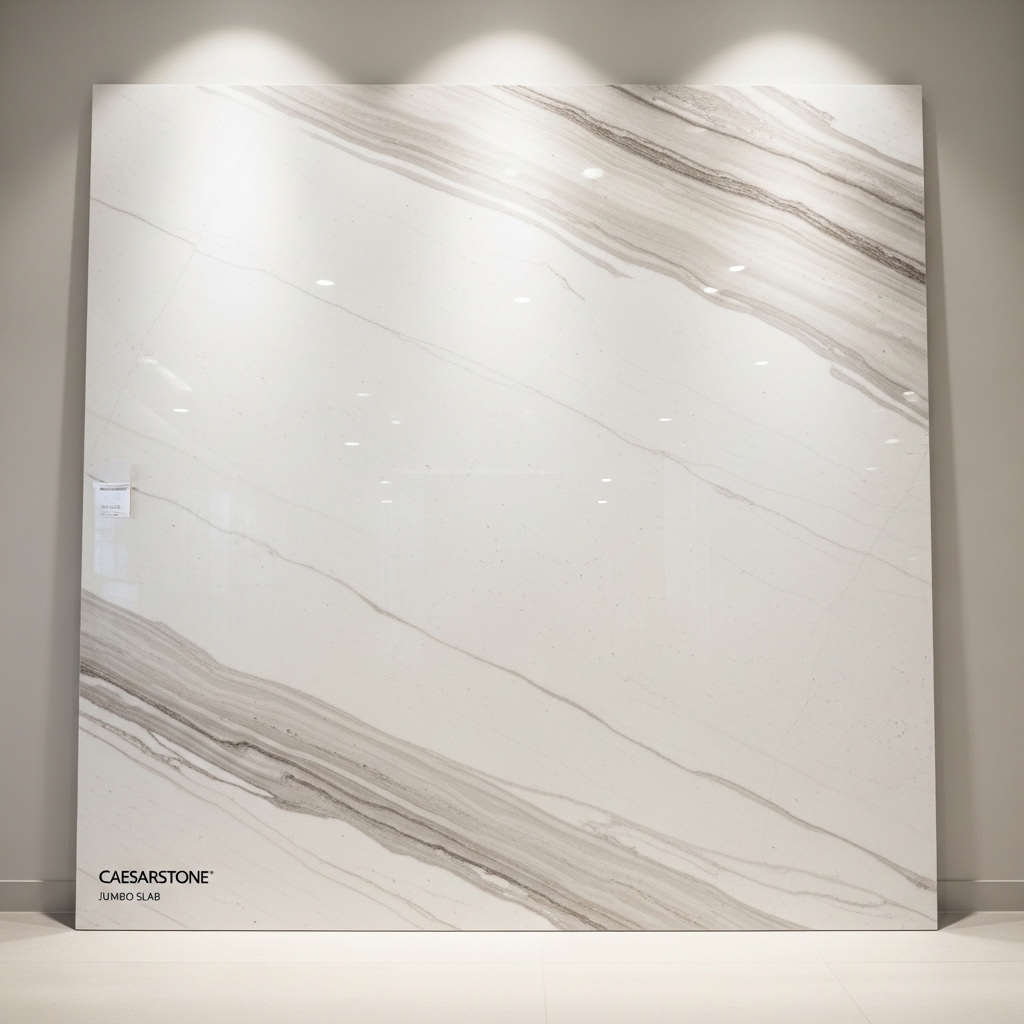
Regular Size
36 in high and 25–25.5 in deep, thickness 0.79 in (2 cm) or 1.18 in (3 cm).
Jumbo Size
36 in high and 25–25.5 in deep, thickness 0.79 in (2 cm) or 1.18 in (3 cm).
Super Size
36 in high and 25–25.5 in deep, thickness 0.79 in (2 cm) or 1.18 in (3 cm).
Super Jumbo
36 in high and 25–25.5 in deep, thickness 0.79 in (2 cm) or 1.18 in (3 cm).
Mini Slab
36 in high and 25–25.5 in deep, thickness 0.79 in (2 cm) or 1.18 in (3 cm).
Picking the Best Counter Measurements
When selecting the best counter measurements, it is essential to consider several factors that will influence the overall outcome.
First, project dimensions play a crucial role; for instance, a standard kitchen counter height is typically 36 inches, while a bar counter may be around 42 inches. Ensuring that the dimensions align with the intended use and space available is vital for functionality.
Desired aesthetic is another key consideration; whether opting for a sleek modern look with quartz or a rustic charm with reclaimed wood, the material choice should reflect the overall design theme.
Budget constraints cannot be overlooked; high-end materials like granite can range from $40 to $200 per square foot, while laminate options may only cost $10 to $30 per square foot, making it essential to balance quality with affordability.
The fabricator’s expertise is also significant; choosing a fabricator experienced in the selected material can ensure a better finish and durability. For example, a fabricator skilled in stonework will provide a more polished result than one who primarily works with laminate.
Lastly, specific design requirements, such as integrated sinks or unique edge profiles, must be clearly communicated to ensure that the final product meets all functional and aesthetic needs. By carefully evaluating these factors, one can make informed decisions that lead to a successful counter installation.
Countertop Measurements: Why Jumbo Helps
Choosing the best countertop measurements is crucial for achieving a functional and aesthetically pleasing kitchen or bathroom space.
One significant advantage of selecting the right dimensions is the optimization of available space; for instance, a standard countertop height of 36 inches is ideal for most users, ensuring comfort during meal preparation.
Jumbo helps by providing precise measurements tailored to individual needs, which can prevent costly mistakes and material wastage.
Additionally, accurate measurements can enhance the overall design, allowing for seamless integration with cabinetry and appliances, which often have standard sizes, such as 24 inches deep for base cabinets.
By utilizing Jumbo’s expertise, homeowners can also benefit from a variety of materials and finishes that complement their design vision while ensuring durability and ease of maintenance.
Ultimately, investing time in selecting the best countertop measurements not only elevates the functionality of the space but also adds significant value to the home, with well-designed kitchens often yielding a return on investment of up to 80%.
Countertop Material: Common Waste Range
When selecting countertop materials, it’s essential to consider the common waste range associated with each type. For instance, natural stone countertops, such as granite and marble, typically have a waste range of 10% to 20% due to the irregular shapes and sizes of the slabs. This means that for a project requiring 50 square feet of countertop, one might need to purchase an additional 5 to 10 square feet to account for cuts and imperfections.
On the other hand, engineered stone, like quartz, often has a lower waste range of about 5% to 10%, as it is manufactured in more uniform sizes, allowing for more efficient use of materials.
Laminate countertops generally produce minimal waste, often around 5%, since they come in sheets that can be easily cut to fit specific dimensions. Understanding these waste ranges is crucial for budgeting and material selection, as it directly impacts both the cost and environmental footprint of the project. By factoring in these percentages, homeowners and contractors can make informed decisions that optimize both aesthetics and sustainability in their countertop choices.
Countertop Material: Biggest Format Available
When considering countertop materials, one of the most significant trends in recent years has been the availability of large-format slabs. These oversized slabs can measure up to 10 feet by 5 feet, allowing for fewer seams and a more seamless appearance in kitchen and bathroom designs. This is particularly advantageous for modern aesthetics, where clean lines and minimalistic designs are favored.
Large-format countertops are typically made from materials such as quartz, granite, and porcelain, each offering unique benefits. For instance, quartz countertops can be engineered to mimic the look of natural stone while providing enhanced durability and resistance to stains. Granite slabs, on the other hand, are prized for their natural beauty and uniqueness, with each slab being one-of-a-kind. The size of these slabs means that homeowners can achieve a dramatic effect with fewer joints, which not only enhances the visual appeal but also simplifies maintenance.
In addition to aesthetics, the practicality of large-format countertops cannot be overlooked. With fewer seams, there is a reduced risk of bacteria buildup in the joints, making these surfaces more hygienic. Furthermore, the installation of large slabs can be more efficient, as fewer pieces need to be handled and installed. This can lead to lower labor costs and a quicker turnaround time for renovations.
Moreover, the trend towards larger formats is also driven by advancements in manufacturing technology, which have made it possible to produce these expansive slabs without compromising on quality. For example, some manufacturers now offer slabs that are only 1 centimeter thick, making them lighter and easier to work with while still maintaining strength and durability. This innovation opens up new possibilities for design, allowing for creative applications in both residential and commercial spaces.
In conclusion, the rise of large-format countertop materials represents a significant shift in design and functionality. With sizes reaching up to 120 inches in length and a variety of materials to choose from, homeowners and designers alike can create stunning, cohesive spaces that are both beautiful and practical. As this trend continues to evolve, it is likely that we will see even more innovative uses and designs that take full advantage of the benefits offered by large-format countertops.
Countertop Materials: Thickness for Heavy Use
When selecting countertop materials for heavy use, thickness plays a crucial role in ensuring durability and longevity. Granite, for instance, is a popular choice due to its natural strength and resistance to scratches and heat. Typically, granite countertops come in thicknesses of 2 cm (approximately ¾ inch) and 3 cm (about 1¼ inches). For heavy-duty applications, such as in busy kitchens or commercial settings, a thickness of 3 cm is often recommended. This added thickness not only enhances the material’s structural integrity but also provides a more substantial appearance, which can be aesthetically pleasing in larger spaces.
Another material that is gaining traction is quartz, which is engineered for strength and versatility. Quartz countertops are usually available in similar thicknesses as granite, with 2 cm and 3 cm being the most common. The non-porous nature of quartz makes it resistant to stains and bacteria, making it an excellent choice for high-traffic areas. For heavy use, opting for the thicker 3 cm option can provide additional support, especially when accommodating heavy appliances or frequent chopping and cutting.
Marble, while renowned for its beauty, is generally softer than granite and quartz. It typically comes in 2 cm and 3 cm thicknesses as well, but for heavy use, the 3 cm thickness is advisable. This added thickness helps mitigate the risk of chipping and cracking, which can occur more easily with thinner slabs. However, it’s important to note that marble is more susceptible to staining and etching from acidic substances, so it may require more maintenance in a heavy-use environment.
Laminate countertops, while not as durable as natural stones, can also be found in thicker options, usually around 1 inch (2.54 cm). For heavy use, choosing a thicker laminate can provide better resistance to impacts and wear. However, it’s essential to understand that laminate is not as heat-resistant as stone materials, so care must be taken to avoid placing hot pots directly on the surface.
In conclusion, when considering countertop materials for heavy use, thickness is a vital factor that contributes to the overall performance and durability of the surface. Opting for thicker options, such as 3 cm granite or quartz, can provide the necessary strength and resilience needed in high-traffic areas. Each material has its unique properties and maintenance requirements, so it’s essential to weigh these factors against the specific needs of your space.
Countertop measurement overview for walls & decorative surfaces
A countertop measurement overview for walls and decorative surfaces summarizes the key planning steps: measure the counter run, determine wall coverage height, map cut-outs, and place seams where they visually disappear.
Many projects extend countertop materials into backsplashes and feature panels for a cohesive look, so measurements must include cabinet heights, window reveals, and any shelving or hood surrounds.
For example, planning a full-height backsplash behind the hob can reduce joints in a high-splash area, while seams can be aligned to cabinet edges or corners for a cleaner finish.
Thickness strategy is often part of the overview: wall panels frequently use 6–12 mm where available for lower load, while thicker 20 mm may be used when edges, waterfall ends, or matching profiles are required.
The overview also includes practical allowances—joint gaps, silicone at corners, and substrate flatness checks—so the final installation remains straight, clean, and easy to maintain.
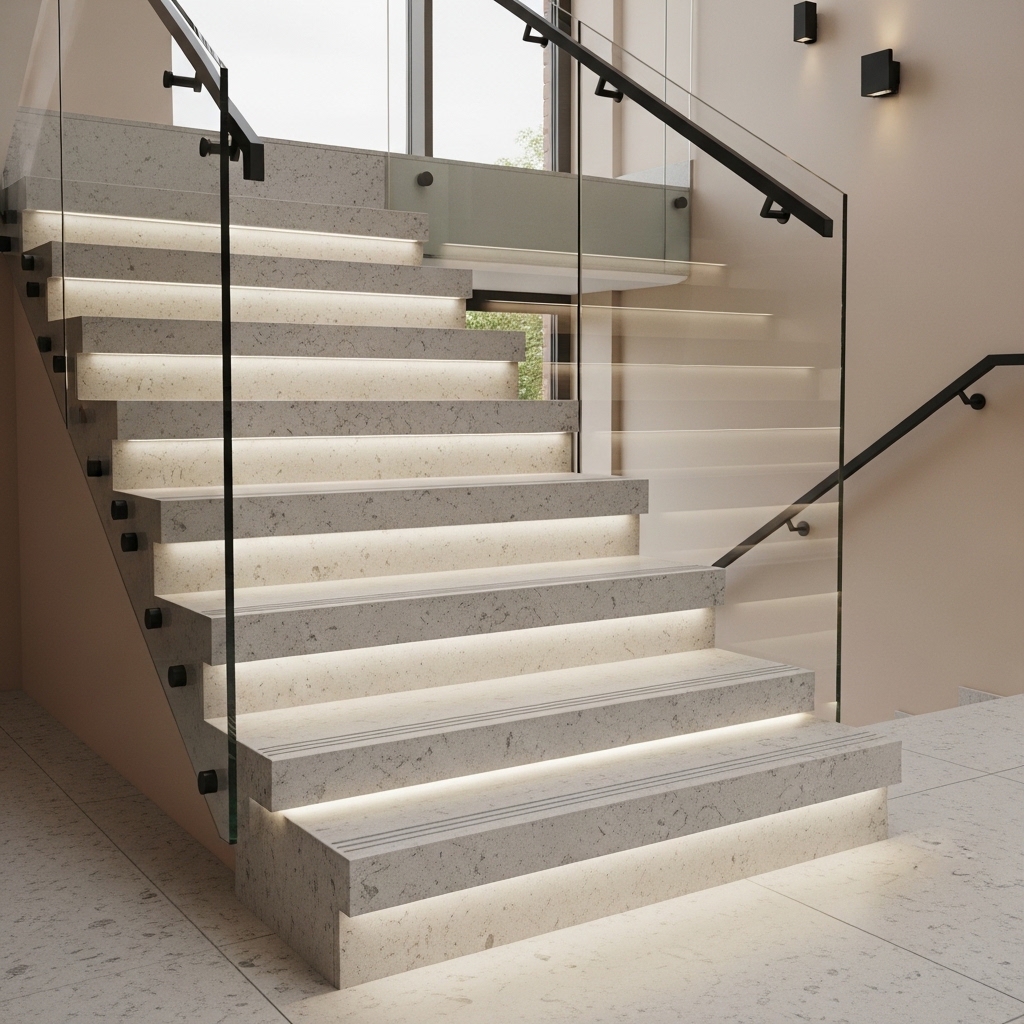
Countertop measurement overview for stairs
A countertop measurement overview for stairs summarizes the essential planning steps for bringing countertop-grade materials into stair treads, risers, and landings with clean alignment and minimal visual disruption.
It begins with accurate stair geometry—flight width, tread depth, riser height, landing sizes—then adds seam strategy so joints avoid the center of landings and the main walking line where they would be most noticeable.
For example, using larger slab pieces for a landing and pushing seams to perimeter edges can dramatically improve the visual quality at turning points.
Thickness is confirmed for performance (often around 20 mm for treads), and edge detailing such as eased or chamfered noses is selected to reduce chipping under heavy traffic.
The overview also includes consistent joint gaps, clean wall returns, and coordinated pattern direction so the stair finish looks cohesive with nearby countertop surfaces.
Counter top size in UAE kitchens is generally standardized at 600–650 mm depth with heights around 900–950 mm, while islands may extend to 1000–1200 mm in width for seating and prep space. These dimensions balance ergonomics and aesthetics in modern homes. For seamless finishes on wider layouts, brands offering caesarstone jumbo slab size are often specified.
Counter Top Size Guide for Finding a Corian Top Supplier in Sharjah
A counter top size guide for finding a Corian top supplier in Sharjah typically focuses on standard depths of 600–650 mm, island widths of 900–1200 mm, and finished heights around 900–950 mm. These measurements ensure ergonomic comfort and proper appliance integration. Consulting a reliable corian top supplier in sharjah helps align countertop sizing with material availability and fabrication requirements.
Counter Top Size Coordination with Raised Floor Levels
Counter top size coordination is critical when aligning work surfaces with a raised floor. Standard countertop heights are usually 900–950 mm with depths of 600–650 mm, but these dimensions must account for the raised floor height, which often ranges from 100 to 150 mm. Proper coordination ensures ergonomic comfort and seamless level transitions.