
Cobblestone Size: Understanding Dimensions and Variations
Cobblestone size is usually sold in graded ranges rather than one exact dimension, with common landscape cobbles supplied as 2–3 in (5.08–7.62 cm), 3–5 in (7.62–12.70 cm), 4–6 in (10.16–15.24 cm), or 6–9 in (15.24–22.86 cm) pieces (the stated number is the approximate “face” size). Because cobbles are three-dimensional, their “thickness” is typically in the same band as the nominal size (for example, 3–5 in cobbles are commonly about 3–5 in thick, i.e., 7.62–12.70 cm). For flatter paving cobbles (often called setts), common piece sizes include 4 in × 6 in (10.16 cm × 15.24 cm) and 6 in × 6 in (15.24 cm × 15.24 cm), frequently supplied about 2–3 in thick (5.08–7.62 cm) for durable outdoor paving.
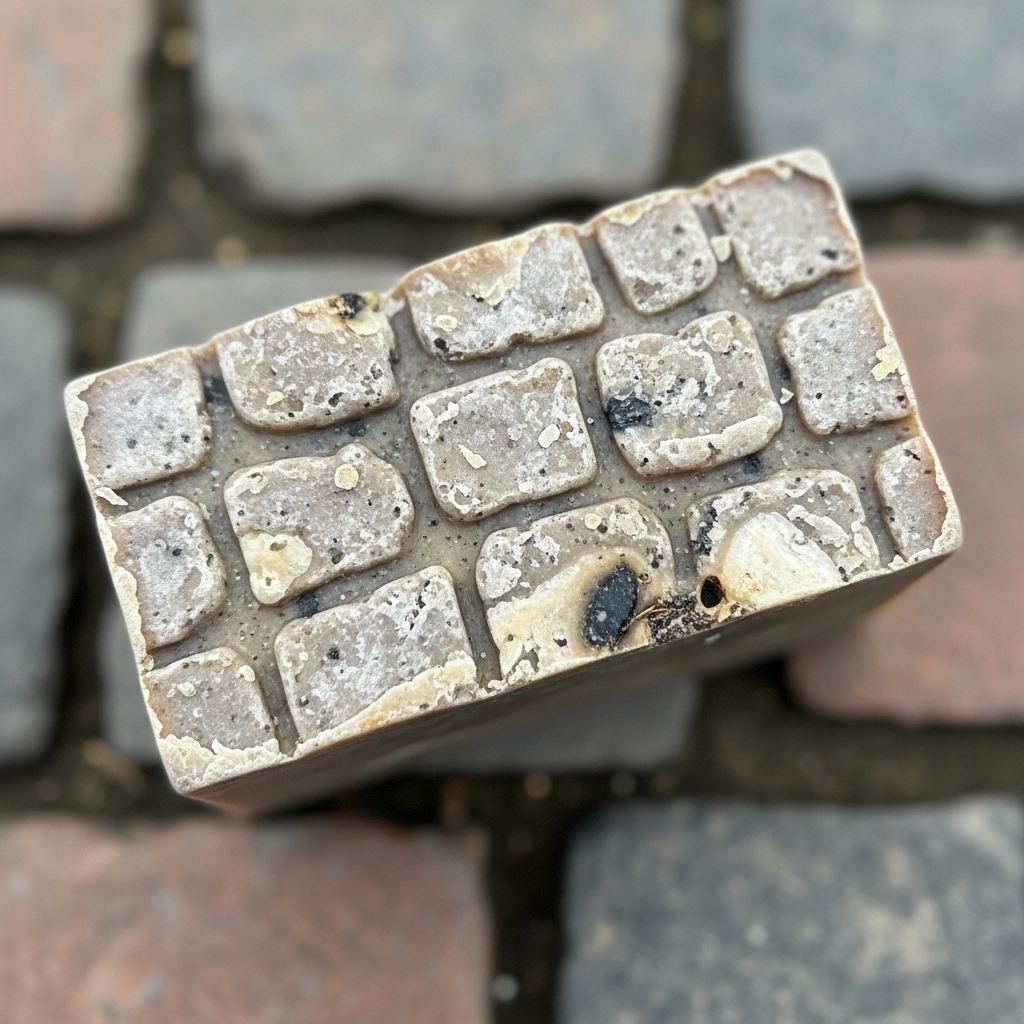
Regular Size
2–3 in, 3–5 in, 4–6 in, or 6–9 in (thickness typically similar range).
Jumbo Size
6–9 in (common jumbo landscaping cobbles; thickness typically similar range).
Super Size
9–12 in (large/super landscaping cobbles; thickness typically similar range).
Super Jumbo
12–18 in (extra-large/super cobbles; thickness typically similar range).
Mini Slab
2–3 in or 3–5 in (common small cobbles; thickness typically similar range).
Selecting the Right Cobble Stone Grading
Selecting the right cobblestone grading is essential for achieving the desired outcome in any paving project.
First, consider the project dimensions; larger areas may require larger cobblestones, typically ranging from 4 to 6 inches, to ensure stability and reduce the number of joints, while smaller spaces might benefit from stones around 2 to 3 inches for a more intricate design.
The desired aesthetic plays a crucial role as well; for a rustic look, irregular shapes and earthy tones are preferable, whereas a modern design might call for uniform sizes and colors.
Budget constraints cannot be overlooked; cobblestones can range from $5 to $15 per square foot, so it’s vital to balance quality with cost, potentially opting for a mix of premium and standard stones to stay within budget.
Additionally, the fabricator’s expertise should guide your selection; a skilled fabricator can provide insights on the best grading for your specific project, ensuring durability and visual appeal.
Lastly, specific design requirements, such as drainage considerations or load-bearing needs, must be factored in; for instance, if the area will support heavy vehicles, opting for a denser grading with stones of 3 to 5 inches in size is advisable to withstand the pressure.
Cobble Grading: Why Larger Sizes Help
Selecting the right cobble stone grading is crucial for achieving both aesthetic appeal and functional durability in landscaping and construction projects.
One of the primary advantages of opting for larger cobble stones, typically ranging from 4 to 8 inches in diameter, is their ability to withstand heavy loads and resist displacement over time.
Larger stones create a more stable surface, reducing the likelihood of shifting or settling, which can be a significant issue with smaller stones that may become dislodged under pressure.
Additionally, larger cobbles often require less maintenance, as they are less prone to weed growth and can effectively manage water drainage, minimizing erosion and pooling.
The visual impact of larger stones can also enhance the overall design, providing a bold and natural look that complements various architectural styles.
Furthermore, when considering installation, larger cobbles can be laid more quickly, reducing labor costs and time on site.
In summary, choosing the right cobble stone grading, particularly larger sizes, not only improves the structural integrity of the project but also enhances its aesthetic value and long-term sustainability.
Cobble Stone Material: Expected Wastage Range
Cobble stone material is a popular choice for various landscaping and paving projects due to its durability and aesthetic appeal. When planning for the installation of cobble stones, it is crucial to account for expected wastage, which typically ranges from 5% to 15% of the total material ordered. This wastage can occur due to several factors, including breakage during transportation, cutting to fit specific designs, and errors in measurement. For instance, if a project requires 1,000 square feet of cobble stones, ordering an additional 50 to 150 square feet can help ensure that there is enough material to complete the job without delays.
Additionally, it is advisable to consult with suppliers who can provide insights into the specific characteristics of the cobble stones being used, as some types may have higher breakage rates than others. Proper planning and consideration of these factors can lead to a more efficient installation process and a finished product that meets the desired standards of quality and appearance.
Cobble Stone Material: Largest Grade Options
Cobblestone is a timeless material that has been used for centuries in various applications, particularly in paving roads, walkways, and driveways. Its durability and aesthetic appeal make it a popular choice for both residential and commercial projects.
The largest grade options for cobblestone typically range from 4 inches to 12 inches in diameter. The larger sizes, often referred to as “cobble” or “cobblestones,” provide a rustic and robust appearance, making them ideal for creating a traditional look in outdoor spaces.
For instance, a 6-inch cobblestone can weigh around 10 to 15 pounds, while a 12-inch stone can weigh up to 40 pounds or more. This weight contributes to their stability and longevity, ensuring that they can withstand heavy foot traffic and vehicular loads without significant wear.
In addition to size, the grading of cobblestones can also refer to their surface texture and finish. Some cobblestones are left in their natural state, showcasing their rough edges and irregular shapes, while others are cut or polished for a smoother finish. This variety allows homeowners and designers to choose the perfect cobblestone to match their desired aesthetic.
Furthermore, the installation of larger cobblestones often requires a solid foundation and proper drainage to prevent shifting and settling over time. When laid correctly, these stones can create a stunning visual impact, enhancing the overall landscape design.
Overall, the largest grade options of cobblestone not only provide functional benefits but also contribute to the charm and character of outdoor spaces, making them a favored choice for many landscaping projects.
Cobble Stone Materials: Thickness for High-Traffic Floors
Cobblestone materials are increasingly popular for high-traffic floors due to their durability and aesthetic appeal. When considering the thickness of cobblestones for such applications, it is essential to understand that the thickness can significantly impact the stone’s performance and longevity. Typically, cobblestones used in high-traffic areas range from 2 to 4 inches in thickness.
A thickness of 2 inches may suffice for moderate foot traffic, while a thickness of 4 inches is recommended for areas that experience heavy loads, such as driveways or commercial spaces.
The choice of thickness also depends on the underlying substrate and installation method. For instance, a well-prepared base of compacted gravel or sand can support thinner cobblestones, while a more robust base may be necessary for thicker stones.
Additionally, the type of cobblestone material plays a crucial role; granite cobblestones, for example, are denser and can withstand more wear and tear compared to softer stones like limestone.
Moreover, the installation technique can influence the overall performance of cobblestones in high-traffic areas. A proper interlocking pattern can enhance stability and reduce the likelihood of shifting or cracking over time.
It is also advisable to consider the surface finish of the cobblestones; a textured surface can provide better traction, which is particularly important in areas prone to wet conditions.
In summary, selecting the appropriate thickness for cobblestone materials in high-traffic floors is crucial for ensuring durability and functionality. A thickness of 2 to 4 inches, combined with a suitable installation method and material choice, can lead to a long-lasting and visually appealing surface that can withstand the rigors of heavy use.
Cobblestone format guide for walls & decorative surfaces
A cobblestone format guide for walls and decorative surfaces focuses on selecting the right stone presentation—setts, sliced cobble cladding, or modular pieces—and choosing a pattern that matches the style of the space.
Cobblestone walls can be built with a more uniform module for a cleaner architectural rhythm, or with mixed-size pieces for a traditional, rustic appearance with deeper shadow lines and stronger texture.
For example, a random-lay cobble cladding can create an organic feature wall, while a coursed layout produces a more structured look that pairs well with modern lighting and straight edges.
Format planning also considers how the surface will terminate at corners and openings, using returns or trims to avoid raw edges and to keep the wall looking finished.
Because cobblestone is textured, joint depth and pointing style matter—deeper relief creates dramatic shadows, while tighter joints can make the wall feel more refined and easier to clean in interior settings.
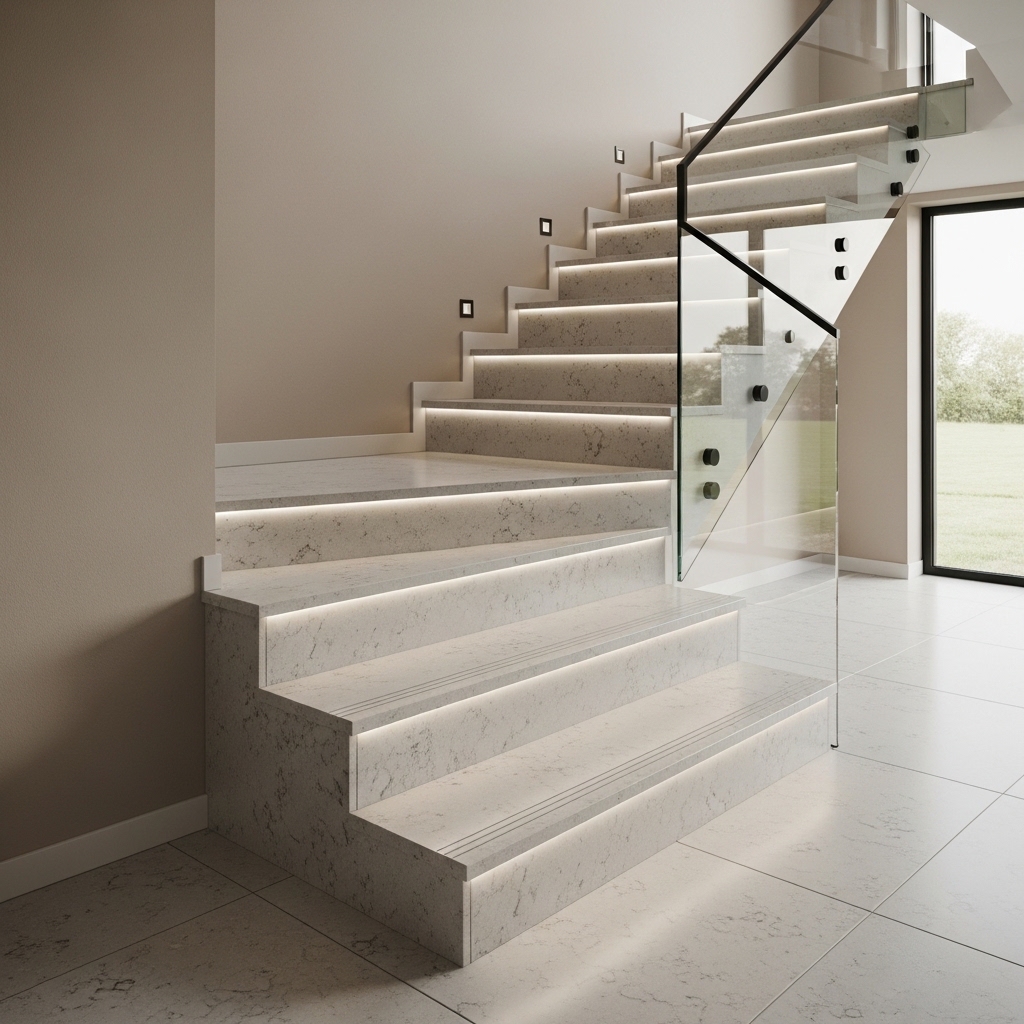
Cobblestone format guide for stairs
A cobblestone format guide for stairs focuses on choosing a cobble style that balances visual character with practical footing, then selecting a layout that looks intentional on repeated steps.
Cobblestone can be used on stair treads as textured stone setts, as decorative riser bands, or as side cladding where the rugged surface creates strong shadow lines and a traditional outdoor feel.
For example, a coursed layout produces a more structured look on stair faces, while a mixed-size random layout feels rustic and handcrafted, with deeper relief and more dramatic texture.
Format planning includes edge and corner treatment—returns or trims are typically used to avoid raw edges and to keep nosing lines clean and consistent across every step.
Jointing style also affects the look and maintenance: tighter joints feel more refined, while deeper pointing emphasizes texture and shadow, which can be desirable on exterior stair settings.
Cobblestone size in the UAE is typically specified in compact formats such as 90 × 90 mm, 100 × 100 mm, or mixed ranges for decorative paving and outdoor durability. These smaller units are chosen for strength and flexibility in patterns rather than large surface coverage. When moving indoors to countertops and slabs, suppliers often rely on a granite size chart to explain the much larger dimensions involved.
Cobblestone Size Ideas for Outdoor Areas with Corian Countertops
Cobblestone size ideas for outdoor areas with Corian countertops often include compact units such as 90 × 90 mm or 100 × 100 mm stones, which provide durability and flexible layout patterns for patios and walkways. These smaller stones contrast well with smooth, modern surfaces and help define outdoor zones. When outdoor paving is designed near kitchens using corian countertops, thoughtful size coordination ensures visual balance between interior and exterior spaces.
Cobblestone Size Guide for Raised Floor Areas
A cobblestone size guide is useful when designing peripheral or decorative zones around a raised floor. Common cobblestone sizes include 100 × 100 mm, 150 × 150 mm, and 200 × 200 mm, which allow flexible layouts without interfering with access panels. Selecting consistent sizes helps maintain visual balance while supporting structural stability near raised flooring edges.