
Largest Quartz Slab Size
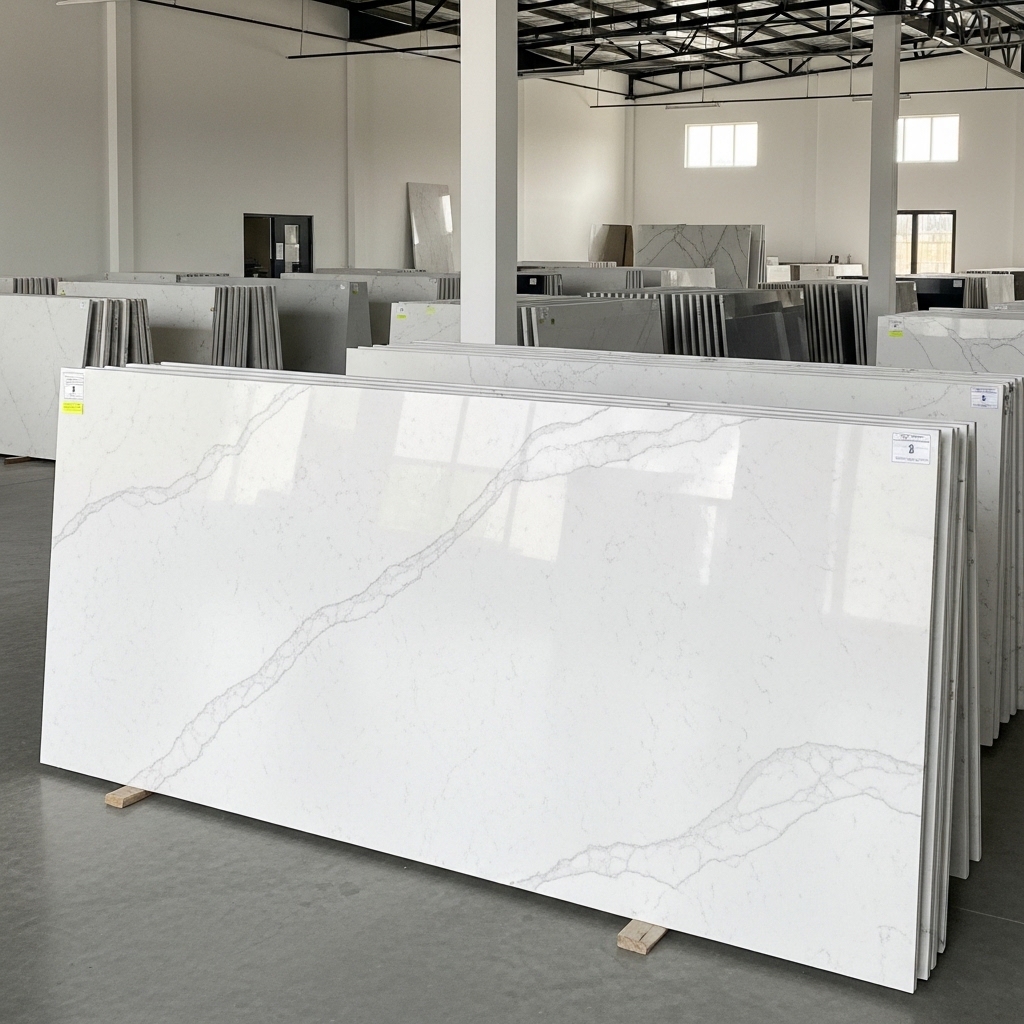
The largest quartz slab size depends on the brand, but among the biggest “extra-large” formats commonly referenced in the market are roughly 330 cm × 165 cm (129.92 in × 64.96 in) and, from select manufacturers/collections, slabs up to about 350 cm × 200 cm (137.80 in × 78.74 in) for very large islands or long, nearly seam-free spans (availability varies by color and region). Even in these oversized formats, the most typical thicknesses remain 2 cm (0.79 in) and 3 cm (1.18 in; often sold as “1¼ in” nominal), with occasional thinner offerings like 12 mm (1.2 cm / 0.47 in) depending on the product line.
Regular Size
137.80 in × 78.74 in, thickness 0.79 in (2 cm) or 1.18 in (3 cm).
Jumbo Size
137.80 in × 78.74 in, thickness 0.79 in (2 cm) or 1.18 in (3 cm).
Super Size
137.80 in × 78.74 in, thickness 0.79 in (2 cm) or 1.18 in (3 cm).
Super Jumbo
137.80 in × 78.74 in, thickness 0.79 in (2 cm) or 1.18 in (3 cm).
Mini Slab
63 in × 126 in, thickness 0.79 in (2 cm) or 1.18 in (3 cm).
Sizing Tips for Oversized Quartz Slabs
When selecting oversized quartz slabs for your project, it is crucial to consider the project dimensions, as these will dictate the size and layout of the slabs. Measure the area where the slabs will be installed, ensuring to account for any irregularities in the space. For instance, if your countertop requires a slab measuring 120 inches by 60 inches, confirm that the chosen slab can accommodate these dimensions without excessive seams.
The desired aesthetic plays a significant role in your selection process. If you aim for a modern, minimalist look, larger slabs with fewer seams can create a seamless appearance, enhancing the overall design. Conversely, if you prefer a more traditional style, smaller slabs with intricate patterns may be more suitable.
Budget constraints are another critical factor; oversized slabs can be more expensive due to their size and the cost of installation. It’s essential to establish a budget early on, as this will help narrow down your options. For example, while a standard slab may cost around $50 per square foot, oversized slabs can range from $75 to $150 per square foot, depending on the quality and brand.
The fabricator’s expertise is vital in ensuring that the oversized slabs are handled and installed correctly. Choose a fabricator experienced in working with large formats, as they will have the necessary tools and skills to manage the weight and size of the slabs effectively.
Lastly, consider any specific design requirements, such as cutouts for sinks or appliances, which may affect the overall dimensions of the slabs. Providing your fabricator with detailed plans and specifications will help them create a tailored solution that meets your needs while maximizing the beauty and functionality of the oversized quartz slabs.
Extra-Large Quartz Slabs: Key Advantages
When considering oversized quartz slabs, one of the key advantages is the seamless aesthetic they provide. With larger slabs, the need for multiple seams is significantly reduced, creating a more uniform and visually appealing surface. This is particularly beneficial in spaces like kitchens and bathrooms, where a continuous look can enhance the overall design. Additionally, oversized slabs can be more cost-effective in the long run; while the initial investment may be higher, the reduction in labor costs associated with fewer seams can lead to savings. For instance, a standard slab might require three seams, while an oversized slab could eliminate that need entirely, saving both time and money. Furthermore, oversized quartz slabs offer greater versatility in design, allowing for larger islands or expansive countertops that can serve as focal points in any room. The durability of quartz also means that these larger surfaces are less prone to cracking or chipping, making them a practical choice for high-traffic areas. Overall, the advantages of oversized quartz slabs include enhanced aesthetics, cost savings, design flexibility, and durability, making them an excellent choice for modern interiors.
Waste Factor Guide for Oversized Quartz
When working with oversized quartz slabs, understanding the waste factor is crucial for effective budgeting and planning. The waste factor typically ranges from 10% to 20%, depending on the complexity of the project and the layout of the installation. For instance, if you are purchasing a 3,000 square foot slab, you should anticipate needing an additional 300 to 600 square feet to account for cuts, defects, and design intricacies.
It is essential to consider the specific dimensions of the oversized quartz, as larger slabs can lead to increased waste if not planned correctly. For example, if a slab measures 120 inches by 55 inches, the larger surface area may result in more off-cuts when fitting around corners or appliances.
Additionally, the installation process itself can contribute to waste; intricate designs or patterns may require more precise cuts, leading to further material loss. To minimize waste, it is advisable to work closely with a skilled fabricator who can optimize the layout and make the most efficient use of the material. By carefully calculating the waste factor and planning accordingly, you can ensure that your project remains within budget while achieving the desired aesthetic.
Biggest Oversized Quartz Format
The biggest oversized quartz format available in the market today is often referred to as “slabs” or “large format tiles,” which can measure up to 126 inches in length and 63 inches in width. These expansive dimensions allow for fewer seams and a more seamless appearance in various applications, such as countertops, wall cladding, and flooring.
The thickness of these slabs typically ranges from 1.2 cm to 3 cm, providing versatility for different uses while maintaining durability and strength.
One of the key advantages of oversized quartz slabs is their aesthetic appeal. With the ability to create large, uninterrupted surfaces, they enhance the visual impact of any space. The natural patterns and colors found in quartz can mimic the look of natural stone, offering a luxurious feel without the maintenance associated with materials like marble or granite.
For instance, some manufacturers produce quartz slabs that feature intricate veining and rich color variations, making them ideal for high-end residential and commercial projects.
In terms of market trends, the demand for oversized quartz formats has been on the rise, driven by the growing popularity of open-concept living spaces and modern design aesthetics. According to industry reports, the global quartz surface market is projected to reach approximately $15 billion by 2025, with oversized formats playing a significant role in this growth.
Moreover, the installation of oversized quartz slabs can be more efficient than traditional smaller tiles, as fewer pieces are required to cover a given area. This not only reduces labor costs but also minimizes the potential for grout lines, which can detract from the overall look.
As technology advances, the production of these large slabs has become more refined, allowing for better quality control and consistency in the final product.
In conclusion, the biggest oversized quartz formats offer a combination of beauty, durability, and practicality, making them a preferred choice for architects, designers, and homeowners alike. With their impressive dimensions and stunning aesthetics, these slabs are set to continue dominating the market in the coming years.
Floor-Ready Thickness Options for Oversized Quartz
When considering oversized quartz surfaces, one of the critical factors to evaluate is the floor-ready thickness options available. Standard thicknesses for quartz slabs typically range from 1 cm to 3 cm, but oversized options can extend these dimensions, providing greater versatility for various applications. For instance, a thickness of 2 cm is often preferred for countertops, as it strikes a balance between durability and weight. However, for flooring applications, a thicker option, such as 3 cm, may be more suitable due to its enhanced strength and resistance to wear and tear.
Oversized quartz slabs can also be customized to meet specific design needs, allowing for unique installations that can enhance the aesthetic appeal of any space. Custom thicknesses can be produced, offering options that go beyond the standard measurements. For example, some manufacturers may offer slabs that are 4 cm thick, which can provide additional support for heavy foot traffic areas or commercial settings. This added thickness not only contributes to the durability of the flooring but also allows for a seamless look when transitioning from countertops to floors.
Moreover, the choice of thickness can significantly impact the overall weight of the material, which is an essential consideration during installation. A thicker slab, while more robust, will also require a more substantial substructure to support its weight. For instance, a 3 cm thick quartz slab can weigh approximately 20-25 pounds per square foot, making it crucial to ensure that the underlying framework is adequately reinforced.
In addition to practical considerations, the thickness of oversized quartz can also influence the design and finish of the surface. Thicker slabs can allow for more intricate edge profiles and finishes, enhancing the overall visual appeal. For example, a 3 cm thick slab can accommodate a beveled or bullnose edge, providing a polished look that complements modern design trends.
Ultimately, selecting the right floor-ready thickness for oversized quartz involves balancing aesthetics, functionality, and structural requirements. By understanding the available options and their implications, homeowners and designers can make informed decisions that enhance both the beauty and durability of their spaces.
Extra-large quartz slab formats for walls & decorative installations
Extra-large quartz slab formats are designed to create more seamless-looking walls and decorative installations by spanning wider and taller areas with fewer panel joints, which is especially valuable for statement walls, reception backdrops, and fireplace surrounds.
Large-format collections often include sizes like 3300 × 1650 mm or 3400 × 1700 mm (typical examples), giving extra design flexibility for tall ceiling heights or wide feature zones where standard slabs would require more seam breaks.
For instance, if a wall section is around 3.0 m tall, selecting an extra-large slab can allow a near full-height panel with minimal trimming, and the fewer seams can make veining styles look more “natural stone-like” across the elevation.
Thickness options are frequently available in 6–12 mm for vertical installations to manage weight, while thicker options can be chosen when edges will be exposed or when the design includes returns, wrapped corners, or framed details.
Because these formats are bigger and heavier, projects usually require more careful handling planning—lift access, site pathways, and substrate readiness—so the final installation stays perfectly aligned and the surface reads as one continuous decorative statement.
Extra-large quartz slab formats for stairs
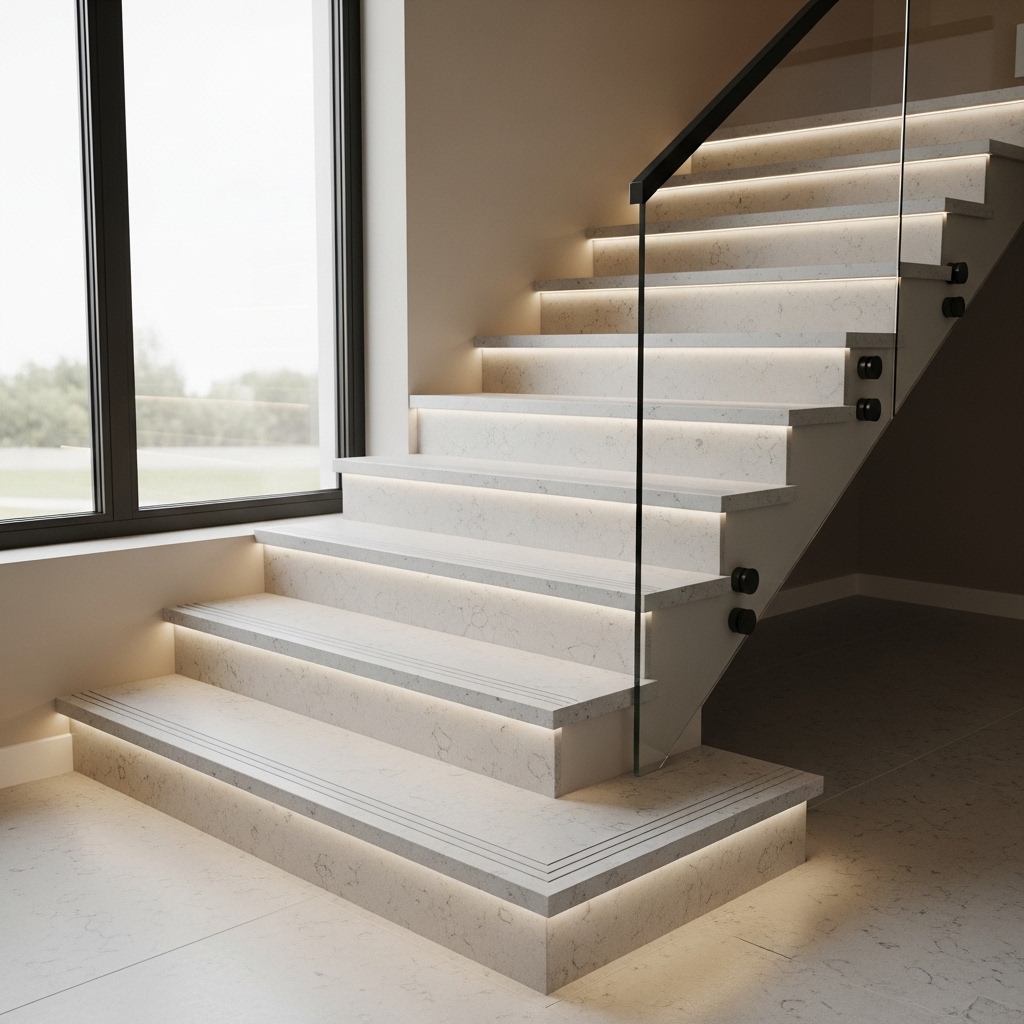
Extra-large quartz slab formats are valuable for stairs when you want longer, more continuous tread runs, fewer joins on wide landings, and better pattern continuity across highly visible stair components.
Large-format collections can include examples like 3300 × 1650 mm and sometimes expanded options around 3400 × 1700 mm (illustrative figures), which provide extra cutting flexibility for wide staircases and landing pieces.
For stair applications, thickness is often selected around 20 mm for tread strength, while build-ups can be used to create thicker step noses for a more substantial look without using an overly heavy full-thickness piece.
As an example, a wide landing may be cut as a single larger panel from an extra-large slab, reducing seams and helping the surface read as one continuous feature element.
Because these slabs are larger to transport and handle, planning typically includes safe handling strategy, ensuring the largest pieces can be moved and installed without stress or risk of damage.
In the UAE, the largest quartz slab size offered by premium collections can reach around 3340 × 1640 mm (about 11 ft × 5.4 ft), with many suppliers also carrying jumbo 3200 × 1600 mm as a readily available step-up from standard formats. These bigger slabs are especially useful for large islands (for example 3000 × 1100 mm) and waterfall sides because they help keep the surface looking continuous and reduce seam lines in high-visibility areas. When choosing these formats, confirm your quartz countertop slab size requirement with your fabricator so the final cut plan accounts for overhangs (typically 20–40 mm), sink cutouts, and grain/vein direction.
Largest Quartz Slab Size Overview and Is Granite Cookware Safe for Daily Use
A largest quartz slab size overview highlights premium slab formats that can reach approximately 3340 × 1640 mm, making them ideal for expansive kitchen islands, waterfall edges, and seamless counter runs. These oversized slabs reduce visual breaks and enhance modern design aesthetics, especially in open-plan kitchens. Alongside surface selection, homeowners often ask is granite cookware safe for daily use, as both countertop and cookware choices contribute to long-term durability, hygiene, and heat resistance in the kitchen.
Largest Quartz Slab Size for Wide Span Raised Floor Areas
The largest quartz slab size available today is particularly useful for wide-span areas built over a raised floor system. Jumbo and super jumbo slabs can reach approximately 3200 × 1600 mm, significantly reducing the number of joints required across large surfaces. Fewer seams improve visual continuity and simplify coordination with raised floor panels, making these slabs ideal for expansive commercial interiors and high-end open-plan spaces.