
Marble Flooring Size: Choosing the Right Dimensions for Your Space
Marble flooring size is commonly supplied as tiles in standard modular formats, with popular sizes including 12 in × 12 in (30.48 cm × 30.48 cm), 12 in × 24 in (30.48 cm × 60.96 cm), 18 in × 18 in (45.72 cm × 45.72 cm), and 24 in × 24 in (60.96 cm × 60.96 cm). Larger-format floor tiles are also common in premium projects, such as 24 in × 48 in (60.96 cm × 121.92 cm) or 32 in × 32 in (81.28 cm × 81.28 cm), depending on the supplier and stone availability. Typical marble floor tile thicknesses are often 3/8 in (0.95 cm), 1/2 in (1.27 cm), and 3/4 in (1.905 cm), while thicker options around 20 mm (2.0 cm / 0.79 in) may be used for heavy-traffic or special installations.
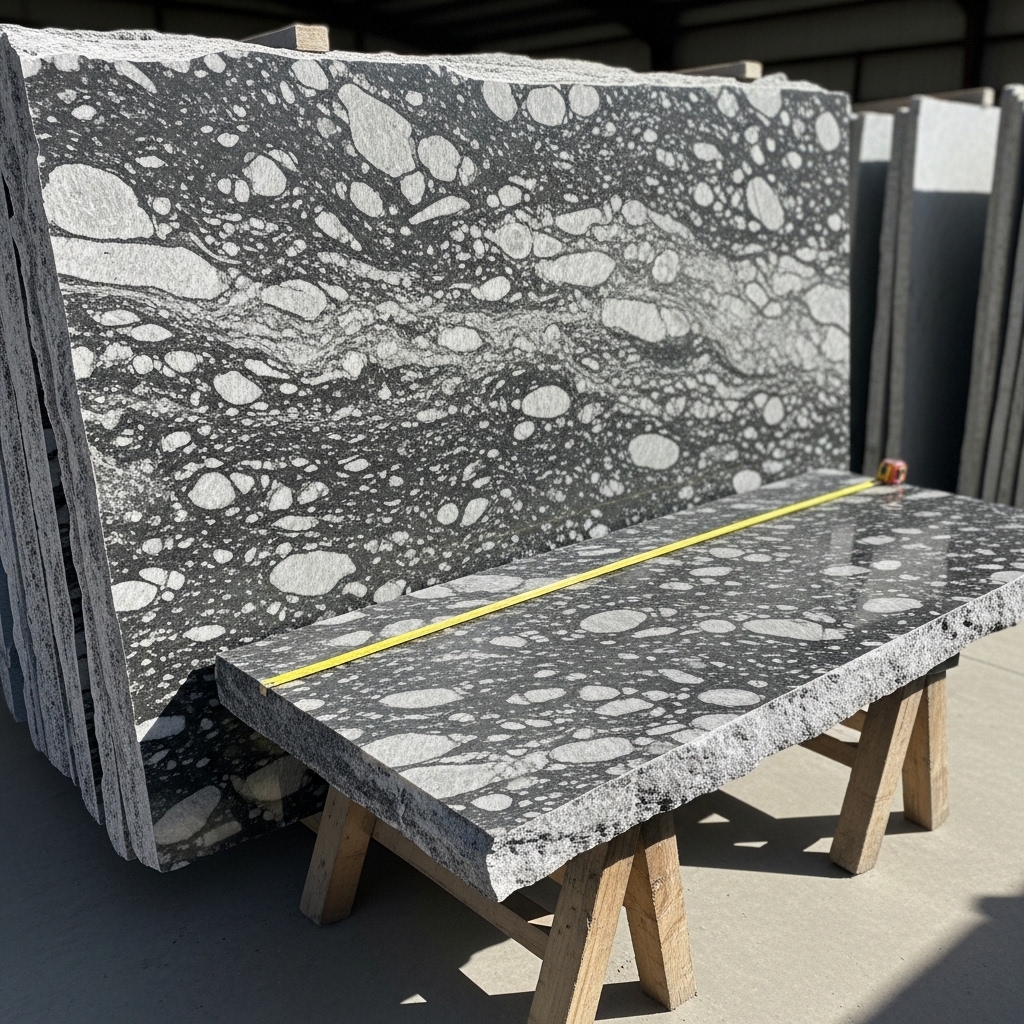
Regular Size
12 in × 12 in, 12 in × 24 in, 18 in × 18 in, or 24 in × 24 in, thickness 0.38–0.75 in (common).
Jumbo Size
24 in × 48 in (large-format), thickness 0.50–0.75 in (common).
Super Size
24 in × 48 in (large-format), thickness 0.50–0.75 in (common).
Super Jumbo
24 in × 48 in (large-format), thickness 0.50–0.75 in (common).
Mini Slab
12 in × 12 in or 12 in × 24 in, thickness 0.38–0.75 in (common).
Marble Floor Tile Measurements Guide
When planning a marble floor tile installation, it is essential to consider various factors that influence the overall outcome.
First, project dimensions play a crucial role; accurately measuring the area where the tiles will be laid is vital. For instance, if the space is 200 square feet, you will need to calculate the number of tiles required based on their size, typically ranging from 12×12 inches to 24×24 inches.
The desired aesthetic also significantly impacts your choice; whether you prefer a classic look with polished white Carrara or a more contemporary feel with darker, veined options, the selection should align with your vision.
Budget constraints are another critical aspect; marble can range from $3 to $15 per square foot, so it’s important to balance quality with affordability.
Additionally, the fabricator’s expertise should not be overlooked; working with a skilled professional can ensure precise cuts and installations, which is particularly important for intricate designs or large spaces.
Lastly, specific design requirements, such as patterns or layouts, must be considered; for example, a herringbone pattern may require more tiles and labor, thus increasing costs. By carefully evaluating these elements, you can achieve a stunning marble floor that meets your needs and expectations.
Marble Floor Tile Measurements: Large-Format Benefits
Marble floor tiles offer a luxurious aesthetic and durability, making them a popular choice for both residential and commercial spaces. One of the significant advantages of using large-format marble tiles, typically measuring 12×24 inches or larger, is the reduction in grout lines, which creates a seamless and elegant appearance. This not only enhances the visual appeal but also simplifies maintenance, as fewer grout lines mean less dirt accumulation and easier cleaning. Additionally, large-format tiles can make a space appear larger, as the expansive surface area minimizes visual interruptions. For instance, a room that is 10×10 feet can benefit from fewer tiles, resulting in a more cohesive look. Furthermore, the weight and thickness of these tiles provide added stability and durability, making them less prone to cracking compared to smaller tiles. When considering installation, large-format tiles can also reduce labor costs, as fewer pieces are required to cover the same area, streamlining the process. Overall, the combination of aesthetic benefits, ease of maintenance, and cost-effectiveness makes large-format marble floor tiles an excellent choice for enhancing any space.
Marble Flooring Material: Typical Wastage
Marble flooring is a popular choice for its elegance and durability, but it is essential to consider the typical wastage associated with this material during installation. Generally, the wastage for marble flooring can range from 5% to 15%, depending on various factors such as the complexity of the layout, the size of the tiles, and the skill level of the installers.
When planning for a marble flooring project, it is crucial to account for this wastage to ensure that sufficient material is ordered. For instance, if a room requires 1,000 square feet of marble, ordering an additional 10% to 15% would mean purchasing between 1,100 to 1,150 square feet of marble.
Additionally, intricate designs or patterns may lead to higher wastage due to the need for precise cuts and adjustments. It is advisable to work with experienced professionals who can minimize waste through careful planning and execution. Furthermore, selecting larger tiles can also reduce wastage, as fewer cuts are needed compared to smaller tiles. Overall, understanding the typical wastage and planning accordingly can lead to a more efficient and cost-effective marble flooring installation.
Marble Flooring Materials: Largest Format Options
Marble flooring materials have long been celebrated for their elegance and timeless beauty, and the trend towards larger format options has further enhanced their appeal. Large format marble tiles can range from 24×24 inches to even 48×120 inches, allowing for fewer grout lines and a more seamless appearance. This not only creates a visually striking effect but also simplifies maintenance, as there are fewer joints where dirt and grime can accumulate.
The use of large format marble tiles is particularly advantageous in spacious areas such as living rooms, lobbies, and commercial spaces. For instance, a large slab measuring 48×120 inches can cover a significant area with minimal cuts, making installation more efficient and cost-effective. Additionally, the expansive surface area of these tiles can enhance the perception of space, making rooms feel larger and more open.
Moreover, the aesthetic versatility of large format marble tiles allows for various design possibilities. They can be used in a variety of finishes, from polished to honed, and can feature intricate veining patterns that add depth and character to any space. The natural variations in marble ensure that each tile is unique, contributing to a luxurious ambiance.
In terms of durability, large format marble tiles are just as resilient as their smaller counterparts. When properly sealed and maintained, they can withstand heavy foot traffic and resist stains, making them suitable for both residential and commercial applications. The thickness of these tiles typically ranges from 1/2 inch to 3/4 inch, providing the necessary strength for high-traffic areas.
As the demand for large format marble flooring continues to grow, manufacturers are innovating with new technologies to enhance the quality and performance of these materials. Advances in cutting techniques and surface treatments have made it possible to produce larger slabs with greater precision and fewer imperfections. This evolution in marble flooring not only meets the aesthetic desires of homeowners and designers but also addresses practical concerns regarding installation and maintenance.
In conclusion, large format marble flooring materials offer a perfect blend of beauty, functionality, and modern design. With their ability to create expansive, uninterrupted surfaces, they are an ideal choice for those looking to elevate their interiors while enjoying the timeless elegance that marble provides.
Marble Flooring Materials: Thickness for Busy Floors
Marble flooring is a popular choice for both residential and commercial spaces due to its elegance and durability. When considering marble for busy floors, the thickness of the tiles plays a crucial role in their performance and longevity. Typically, marble tiles come in various thicknesses, ranging from 1 cm (approximately 0.39 inches) to 2 cm (approximately 0.79 inches). For high-traffic areas, such as shopping malls, airports, or busy office lobbies, a thickness of 2 cm is often recommended. This added thickness not only enhances the tile’s strength but also reduces the risk of cracking or chipping under heavy foot traffic.
Moreover, the installation method can also influence the overall durability of marble flooring. For instance, thicker tiles can be installed using a thin-set mortar, while thinner tiles may require a thicker bed of mortar to ensure stability. In busy environments, it is essential to ensure that the subfloor is adequately prepared to support the weight of the marble, as improper installation can lead to issues over time.
Additionally, the finish of the marble can affect its maintenance and longevity. Polished marble, while visually stunning, can be more susceptible to scratches and stains in high-traffic areas. On the other hand, honed marble offers a more matte finish that can be less slippery and more resistant to wear. Choosing the right finish in conjunction with the appropriate thickness can significantly impact the performance of marble flooring in busy settings.
In conclusion, when selecting marble flooring for busy floors, it is vital to consider both the thickness and finish of the tiles. Opting for thicker tiles, ideally around 2 cm, along with a suitable finish, can ensure that the flooring remains both beautiful and functional over time. Proper installation and maintenance will further enhance the durability of marble flooring, making it a worthwhile investment for any high-traffic area.
Marble flooring measurement guide for walls & decorative surfaces
A marble flooring measurement guide for walls and decorative surfaces focuses on planning module sizes, joint layouts, and finish choices that translate well to vertical applications when the same marble is used on floors and feature walls.
Flooring modules are often planned in common formats such as 600 × 600 mm or 600 × 1200 mm (typical examples), and matching wall panels can be sized to align grout or joint lines for a coordinated look.
For example, using the same module on the wall as on the floor can create a seamless wrap effect, especially in bathrooms and lobbies where vertical and horizontal planes meet.
Because marble is sensitive to etching, many decorative and flooring-linked installations choose honed finishes in high-contact zones, while polished finishes may be reserved for lower-contact feature walls to maximize visual depth.
Measurement planning also includes edge terminations, corner alignment, and consistent joint widths so the stone reads continuous and symmetrical across both floor and wall planes.
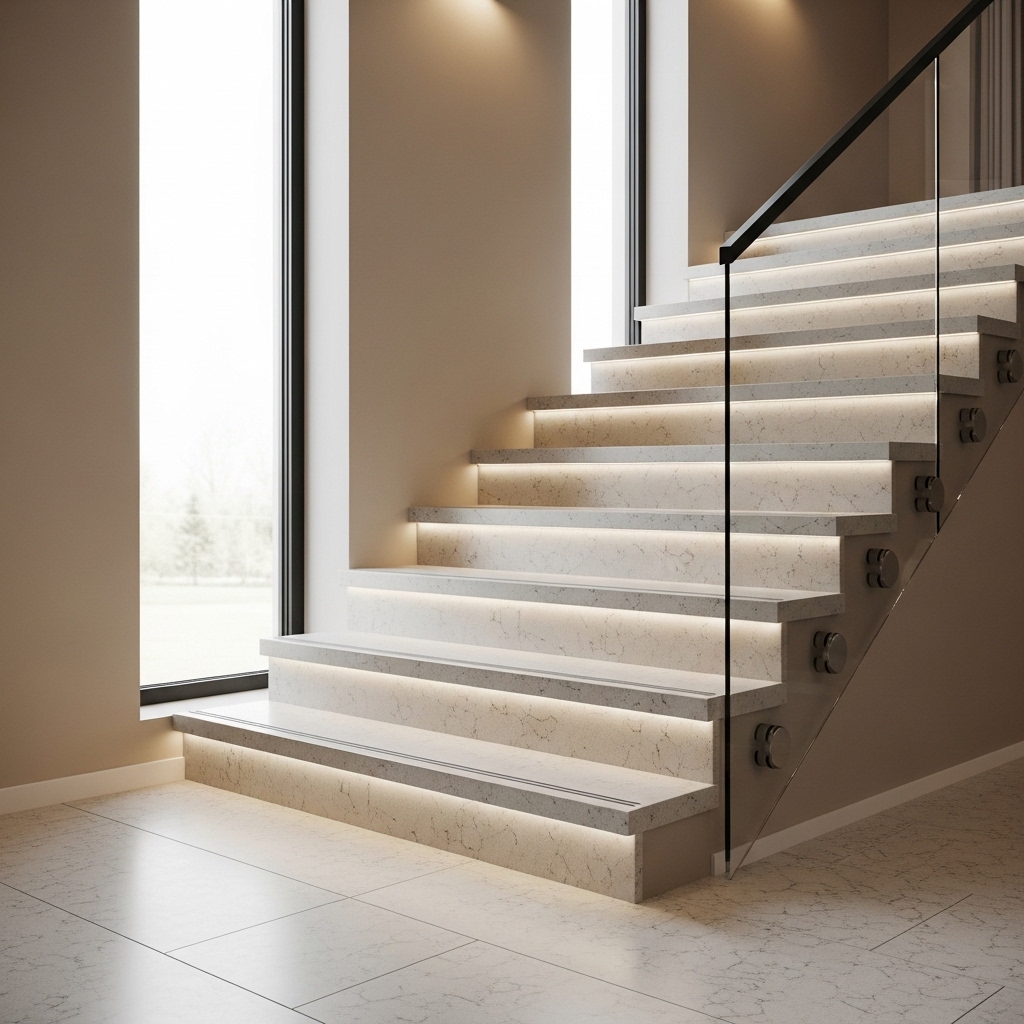
Marble flooring measurement guide for stairs
A marble flooring measurement guide for stairs focuses on selecting modules or panels that look refined while planning for marble’s sensitivity to wear, etching, and visible scuffing in high-traffic conditions.
Stair surfaces can be fabricated as solid treads and risers or as modular flooring-style pieces, and thickness commonly falls around 20–30 mm depending on design and support method.
For example, using larger modules or slab-like pieces reduces joint lines and can make the staircase feel more monolithic, especially on landings and feature steps.
Finish selection is critical: honed finishes can be more forgiving visually on stairs, while polished finishes provide strong visual depth but may show marks more readily.
Accurate measurement also includes nose detailing, clean edge terminations, and consistent joint gaps so the staircase reads straight and the marble looks intentionally composed.
Marble flooring size in the UAE is commonly supplied in tile formats like 600 × 600 mm, 800 × 800 mm, and larger rectangular cuts for premium interiors, allowing flexible layout patterns and easy installation. Slab flooring is also used in high-end projects where vein continuity is important. During material comparison, planners often contrast tile dimensions with the size of a granite slab used for countertops and feature surfaces.
Marble Flooring Size Guide for Choosing a Corian Top Supplier in Sharjah
A marble flooring size guide for choosing a Corian top supplier in Sharjah often compares tile formats such as 600 × 600 mm, 800 × 800 mm, and large rectangular cuts against seamless countertop materials. Understanding flooring dimensions helps maintain proportional balance between horizontal surfaces. Coordinating flooring choices with a trusted corian top supplier in sharjah ensures consistency in height levels, transitions, and overall interior flow.
Marble Flooring Size Planning for Raised Floor Systems
Marble flooring size planning becomes more precise when coordinated with a raised floor system. Common marble tile sizes such as 600 × 600 mm and 800 × 800 mm align well with modular floor panels, while slab flooring may range from 2400 × 1200 mm upward. Proper sizing ensures balanced load distribution and easy access to underfloor services.