
Size of Kitchen Slab
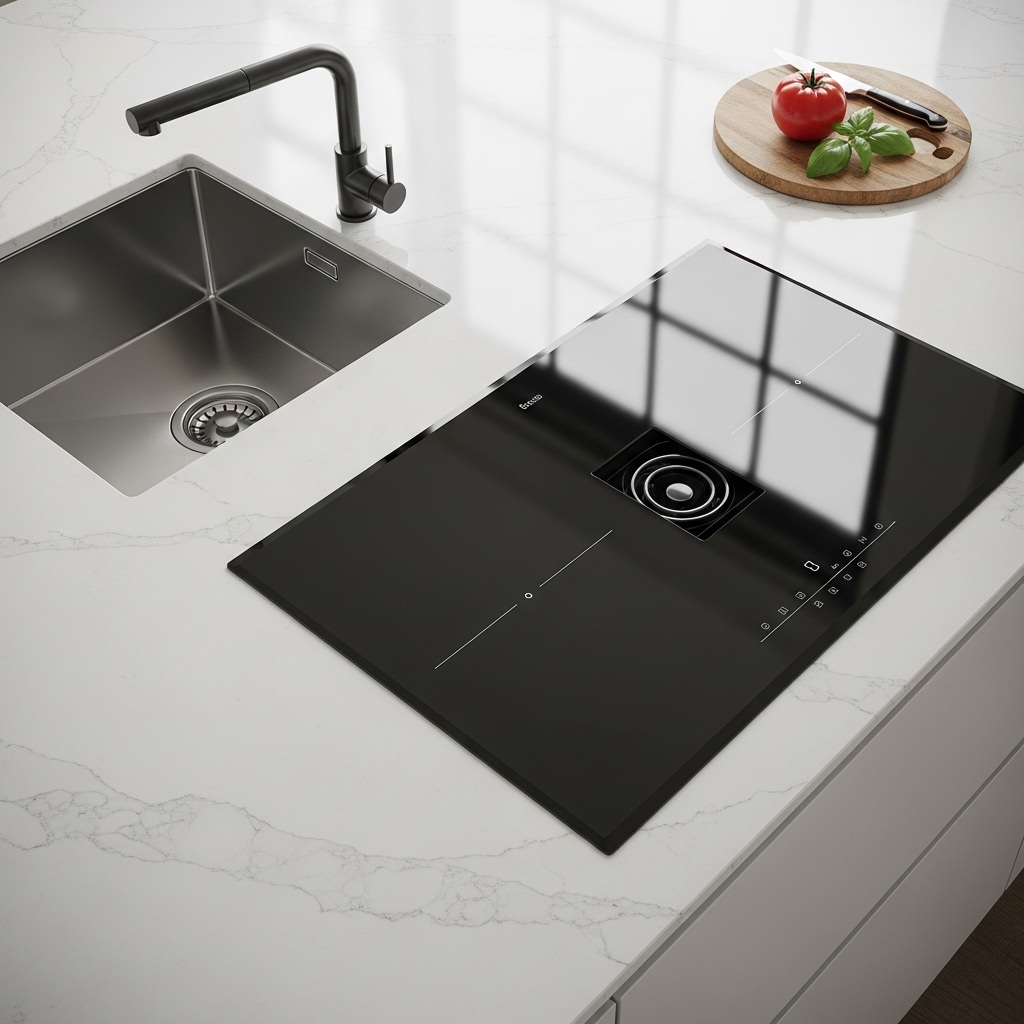
Size of a kitchen slab (kitchen countertop size) is generally based on standard base-cabinet sizing and comfort height: the most common finished depth is 25–25.5 in (63.50–64.77 cm) to cover 24 in (60.96 cm) cabinets with a front overhang of about 1–1.5 in (2.54–3.81 cm), while standard finished counter height is about 36 in (91.44 cm) from the floor. Kitchen slabs are custom-cut to the layout, but a typical single-piece straight section often falls around 72–120 in long (182.88–304.80 cm) before seams, and islands commonly range about 36–60 in wide (91.44–152.40 cm) and 72–120 in long (182.88–304.80 cm). For stone and quartz kitchen slabs, typical thicknesses are 2 cm (0.79 in / 20 mm) and 3 cm (1.18 in / 30 mm), and thicker-looking front edges are often built up to appear about 1.5 in (3.81 cm).
Regular Size
25–25.5 in deep and commonly 96–120 in long per section, thickness 0.79 in (2 cm) or 1.18 in (3 cm).
Jumbo Size
25–25.5 in deep and commonly 120–144 in long per section, thickness 0.79 in (2 cm) or 1.18 in (3 cm).
Super Size
25–25.5 in deep and commonly 144–168 in long per section, thickness 0.79 in (2 cm) or 1.18 in (3 cm).
Super Jumbo
25–25.5 in deep and commonly 168–180 in long per section, thickness 0.79 in (2 cm) or 1.18 in (3 cm).
Mini Slab
25–25.5 in deep and commonly 60–72 in long per section, thickness 0.79 in (2 cm) or 1.18 in (3 cm).
Kitchen Worktop Measurements Guide
When planning a kitchen worktop, precise measurements are crucial to ensure a perfect fit and functionality.
Start by assessing the project dimensions, which typically include the length, width, and height of the cabinetry. Standard worktop heights range from 86 to 92 cm, while depths are usually around 60 cm. Consider the desired aesthetic, as this will influence the choice of materials and finishes; for instance, a sleek quartz surface may require different measurements compared to a rustic wooden countertop.
Budget constraints also play a significant role in determining the type of worktop you can afford. High-end materials like granite or marble can cost between $50 to $200 per square foot, while laminate options may range from $10 to $40 per square foot.
The fabricator’s expertise is another critical factor; experienced professionals can provide insights into the best materials and techniques for your specific needs, ensuring durability and style.
Lastly, specific design requirements, such as integrated sinks or unique edge profiles, must be factored into the measurements. For example, if you desire a waterfall edge, additional material will be needed, potentially increasing costs and requiring precise cutting. By carefully considering these elements, you can achieve a functional and aesthetically pleasing kitchen worktop that meets all your needs.
Kitchen Worktop Measurements: Jumbo Advantages
A comprehensive kitchen worktop measurements guide offers numerous advantages that can significantly enhance the kitchen design process. Firstly, accurate measurements ensure that the worktop fits perfectly within the designated space, minimizing gaps and maximizing usability. For instance, a standard kitchen worktop height is typically around 90 cm, which is ergonomically designed for comfortable food preparation. Additionally, understanding the dimensions of various worktop materials, such as laminate, granite, or quartz, allows homeowners to make informed choices based on durability and aesthetics. Moreover, a well-measured worktop can improve workflow efficiency; for example, a worktop depth of 60 cm is ideal for accommodating appliances and providing ample workspace without overcrowding. Furthermore, a detailed measurements guide can help in budgeting, as it allows for precise calculations of material costs, which can range from $20 to $200 per square foot depending on the material chosen. Ultimately, having a reliable kitchen worktop measurements guide not only streamlines the renovation process but also ensures a functional and visually appealing kitchen environment.
Kitchen Worktop Material: Expected Wastage
When selecting kitchen worktop materials, it is essential to consider the expected wastage during installation, as this can significantly impact both budget and project planning. Generally, the wastage percentage can vary depending on the material chosen; for instance, natural stone such as granite or marble may have a wastage rate of around 10-15% due to the need for precise cuts and the potential for cracks or imperfections in the slabs. In contrast, engineered materials like quartz often have a lower wastage rate, typically around 5-10%, since they are manufactured to more consistent dimensions.
It is advisable to order slightly more material than the calculated requirement to account for any unforeseen issues, such as miscalculations or design changes. For example, if a kitchen requires 30 square feet of countertop, it would be prudent to order an additional 3 to 4.5 square feet of material, depending on the type, to ensure that there is enough to complete the installation without delays.
Additionally, it is important to work with experienced fabricators who can optimize the layout of the worktops to minimize waste, as they can often use remnants from larger slabs for smaller sections. By understanding the expected wastage and planning accordingly, homeowners can achieve a beautiful and functional kitchen while staying within budget.
Kitchen Worktop Material: Largest Format Options
When considering kitchen worktop materials, the trend towards larger format options has gained significant traction in recent years. Large format tiles and slabs, often measuring up to 3 meters in length and 1.5 meters in width, provide a seamless and contemporary aesthetic that is highly sought after in modern kitchens. These expansive surfaces minimize the number of joints, which not only enhances the visual appeal but also reduces the potential for dirt and grime accumulation, making maintenance easier.
One of the most popular materials for large format worktops is quartz. Engineered from natural quartz crystals, resins, and pigments, quartz surfaces can be manufactured in large slabs, offering a wide range of colors and patterns. With a thickness typically ranging from 20mm to 30mm, quartz worktops are not only visually striking but also highly durable, resistant to scratches, stains, and heat.
Another excellent option is porcelain, which has emerged as a favorite for large format worktops due to its exceptional durability and versatility. Porcelain slabs can be produced in sizes up to 3.2 meters and are available in a variety of finishes, including matte, glossy, and textured. This material is highly resistant to heat, UV rays, and chemicals, making it ideal for busy kitchen environments. Additionally, porcelain is non-porous, which means it does not require sealing and is less prone to staining.
For those seeking a more natural aesthetic, granite remains a timeless choice. While traditionally available in smaller slabs, advancements in quarrying and fabrication techniques have allowed for larger granite pieces to be produced. Granite worktops are renowned for their unique patterns and colors, as each slab is one-of-a-kind. With a thickness of around 30mm, granite offers excellent durability and can withstand high temperatures, although it does require periodic sealing to maintain its resistance to stains.
Lastly, laminate has evolved significantly, with manufacturers now offering large format laminate sheets that mimic the appearance of natural stone or wood. These sheets can be as large as 3 meters and are lightweight, making them easier to handle during installation. Modern laminates are highly resistant to scratches and moisture, and they come in a wide array of designs, making them a cost-effective option for those looking to achieve a high-end look without the associated price tag.
In conclusion, the shift towards larger format kitchen worktop materials offers homeowners a blend of style, functionality, and ease of maintenance. Whether opting for the durability of quartz, the versatility of porcelain, the natural beauty of granite, or the affordability of laminate, the options available today cater to a variety of tastes and budgets, ensuring that every kitchen can achieve a stunning and practical workspace.
Kitchen Worktops: Thickness for Busy Areas
When selecting kitchen worktops for busy areas, thickness plays a crucial role in both functionality and aesthetics. Standard thicknesses for kitchen worktops typically range from 20mm to 40mm, with 30mm being a popular choice for many homeowners. Thicker worktops, such as those measuring 40mm, provide enhanced durability and resistance to wear and tear, making them ideal for high-traffic zones where heavy pots and pans are frequently placed.
In busy kitchens, where food preparation and cooking occur regularly, a thicker worktop can withstand the rigors of daily use. For instance, a 30mm worktop can handle the impact of chopping and slicing without easily denting or scratching, while a 40mm option offers even greater resilience. Additionally, thicker surfaces can better support the weight of appliances and fixtures, reducing the risk of sagging over time.
Another consideration is the visual impact of thickness. A thicker worktop can create a more substantial and luxurious appearance, which can elevate the overall design of the kitchen. For example, a 40mm granite or quartz worktop can serve as a stunning focal point, drawing attention and adding value to the home.
Moreover, maintenance is an essential factor in busy kitchens. Thicker worktops often have a larger surface area, which can make them easier to clean and maintain. For instance, a 30mm laminate worktop can be wiped down quickly, while a thicker stone surface may require less frequent sealing, depending on the material.
Ultimately, when choosing the right thickness for kitchen worktops in busy areas, it is essential to balance durability, aesthetics, and maintenance. Investing in a thicker worktop can provide long-term benefits, ensuring that the kitchen remains functional and visually appealing for years to come.
Kitchen slab measurement guide for walls & decorative surfaces
A kitchen slab measurement guide for walls focuses on coordinating the backsplash or feature wall with the worktop layout so the material reads as one connected design.
Measure the full run behind the sink and hob, then include heights up to the underside of cabinets or shelves, and note every cut-out location (sockets, rails, pot fillers) before finalizing panel breaks.
Many kitchen wall applications use thinner wall panels like 6–12 mm for easier handling, while exposed waterfall ends or prominent side returns may use thicker 20 mm to match the worktop profile.
For example, a full-height backsplash can be planned as one dominant panel behind the hob, with seams pushed to side returns or aligned with cabinet boundaries for a cleaner look.
Final checks typically include allowing for silicone at corners, ensuring flat substrates, and sequencing pieces from the same batch so tone and pattern remain consistent across the kitchen elevation.
Kitchen slab measurement guide for stairs
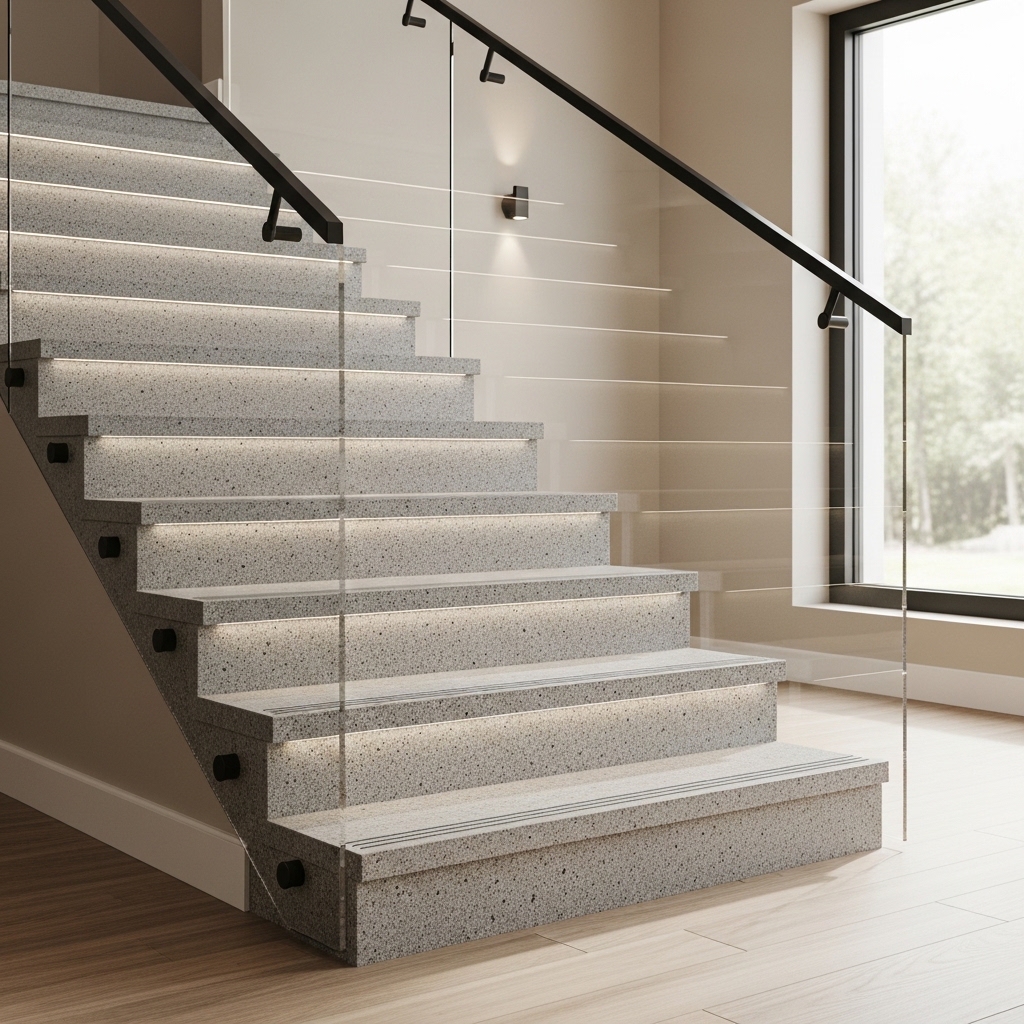
A kitchen slab measurement guide for stairs is used when the staircase finish is meant to match kitchen-selected slab materials, creating a continuous design language through open-plan spaces.
Begin with the kitchen slab batch and finish confirmation, then measure the stair flight and landings and align seam placement to the same visual reference lines used in the kitchen, such as island edges or waterfall cladding joints.
For example, if the kitchen feature surface has a strong vein direction, cutting stair treads in the same orientation keeps the material story consistent rather than changing direction step-to-step.
Stair treads typically require robust thickness (often 20 mm), while vertical cladding or side returns may use lighter builds where suitable to manage load and ease handling.
Good measurement planning also includes wall returns, skirting edges, and consistent joint gaps so the stair finish looks precise and cohesive with adjacent kitchen surfaces.
In residential and commercial projects throughout the UAE, size of kitchen slab is typically set at 600–650 mm depth for wall counters, island widths of 900–1200 mm, and working heights close to 900–950 mm including the stone. These proportions support comfortable use and efficient layouts. For statement kitchens and wide islands, designers may specify super jumbo quartz slab size materials to maintain clean, uninterrupted surfaces.
Size of Kitchen Slab Guide for Finding a Corian Top Supplier in Sharjah
A size of kitchen slab guide for finding a Corian top supplier in Sharjah usually starts with standard kitchen measurements such as 600–650 mm counter depth, island widths of 900–1200 mm, and heights around 900–950 mm. These dimensions help determine how slabs or sheets will be cut and joined. Working with a reliable corian top supplier in sharjah ensures that slab sizing, joint placement, and finishing details are accurately planned for seamless results.
Size of Kitchen Slab Planning for Raised Floor Levels
Size of kitchen slab planning becomes more technical when coordinating finished levels with a raised floor. Kitchen slabs are generally designed at depths of 600–650 mm, with final counter heights of 900–950 mm adjusted for the floor build-up below. Accurate planning ensures seamless transitions, ergonomic comfort, and uninterrupted access to underfloor systems.