
Standard Size Granite Slab
Standard size granite slab typically refers to the most common “standard range” stocked for countertop fabrication, which is often around 108–120 in long × 60–72 in wide (274.32–304.80 cm × 152.40–182.88 cm). When stone bundles include wider cuts, suppliers may also offer slabs around 126 in × 78 in (320.04 cm × 198.12 cm), while smaller half-slabs are often about 96 in × 48 in (243.84 cm × 121.92 cm) for compact projects. Standard granite thickness is usually 2 cm (0.79 in / 20 mm) and 3 cm (1.18 in / 30 mm), with 1.5 cm (0.59 in / 15 mm) sometimes supplied for backsplashes, wall panels, or lighter-duty applications.
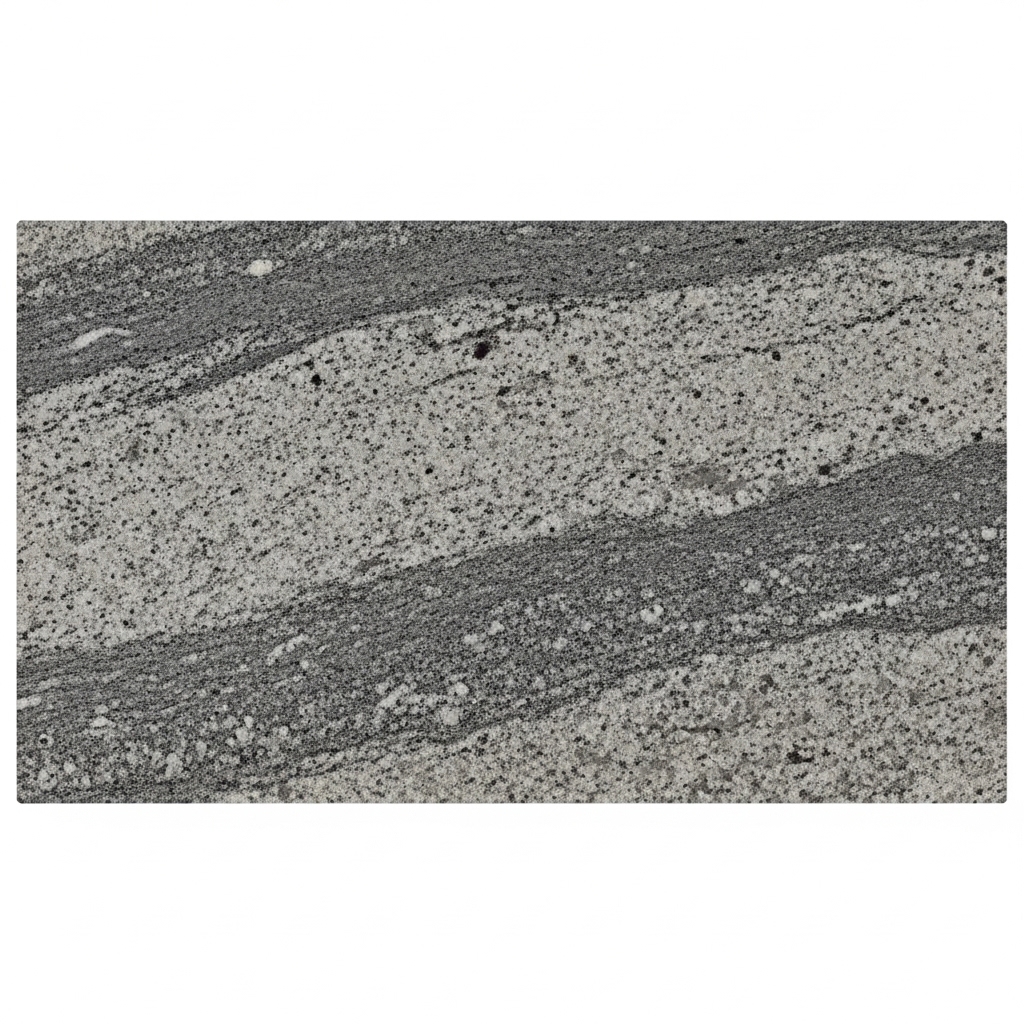
Regular Size
108–120 in × 60–72 in, thickness 0.79 in (2 cm) or 1.18 in (3 cm).
Jumbo Size
126 in × 78 in, thickness 0.79 in (2 cm) or 1.18 in (3 cm).
Super Size
138 in × 78 in, thickness 0.79 in (2 cm) or 1.18 in (3 cm).
Super Jumbo
138 in × 78 in, thickness 0.79 in (2 cm) or 1.18 in (3 cm).
Mini Slab
96 in × 48 in, thickness 0.79 in (2 cm) or 1.18 in (3 cm).
Standard Granite Sheet Dimensions
Standard granite sheet dimensions typically range from 2 cm to 3 cm in thickness, with common sizes being 120 cm x 240 cm or 60 cm x 120 cm.
When considering project dimensions, it is crucial to assess the specific measurements of the area where the granite will be installed, as this will dictate the number of sheets required and how they will be cut.
Desired aesthetic plays a significant role in selecting granite; for instance, larger slabs can create a seamless look, while smaller tiles may offer more design flexibility.
Budget constraints are also a key factor, as granite prices can vary widely based on quality, color, and origin, with costs ranging from $40 to $200 per square meter.
The fabricator’s expertise is essential in ensuring that the granite is cut and installed correctly, as improper handling can lead to costly mistakes.
Lastly, specific design requirements, such as edge profiles or custom finishes, should be discussed with the fabricator to ensure that the final product meets the project’s vision and functional needs.
Standard Granite Sheet Dimensions: Jumbo Gains
Standard granite sheet dimensions offer numerous advantages that enhance both the aesthetic appeal and functional utility of granite in various applications.
One of the primary benefits is the ease of installation; with standard sizes such as 3 cm thick slabs measuring 120 x 72 inches, contractors can minimize waste and reduce cutting time, leading to lower labor costs.
Additionally, these dimensions facilitate a more uniform look across large surfaces, making them ideal for countertops, flooring, and wall cladding.
The consistency in size also simplifies the planning process for designers and architects, allowing for seamless integration into various design schemes.
Furthermore, using standard dimensions can lead to better pricing, as manufacturers often produce these sizes in bulk, resulting in cost savings that can be passed on to consumers.
In contrast, opting for custom sizes may lead to higher expenses and longer lead times.
Overall, standard granite sheet dimensions not only streamline the installation process but also contribute to a cohesive design aesthetic while being cost-effective.
Standard Granite Slab Material: Waste Factor Guide
When working with standard granite slab material, understanding the waste factor is crucial for accurate budgeting and project planning. The waste factor typically ranges from 10% to 20%, depending on the complexity of the project and the layout of the slabs. For instance, if you are installing 100 square feet of granite, you should account for an additional 10 to 20 square feet to cover potential cuts, breaks, or miscalculations.
It is essential to consider the type of cuts required; intricate designs or unusual shapes can increase the waste factor significantly. Additionally, the quality of the granite can impact waste; lower-quality slabs may have more imperfections, leading to higher waste percentages.
To minimize waste, careful planning and precise measurements are vital. Utilizing software for layout design can help visualize the best use of each slab, reducing unnecessary cuts. Ultimately, being aware of the waste factor not only helps in managing costs but also ensures that the project runs smoothly and efficiently.
Standard Granite Slab Material: Largest Format
Standard granite slab material is renowned for its durability and aesthetic appeal, making it a popular choice for various applications, particularly in countertops, flooring, and wall cladding. Granite slabs are typically available in large formats, with dimensions often reaching up to 10 feet by 5 feet, and thicknesses ranging from 2 cm to 3 cm. This large format allows for fewer seams in installations, creating a more seamless and visually appealing surface.
The natural beauty of granite is enhanced by its unique patterns and colors, which are a result of the mineral composition and geological processes that formed the stone. With a wide array of colors, from deep blacks and rich browns to vibrant blues and greens, granite can complement various design styles, from modern to traditional.
In terms of performance, granite is highly resistant to scratches, heat, and stains, making it an ideal material for high-traffic areas. Its low porosity means that it does not absorb liquids easily, which helps to prevent bacterial growth and makes it easier to maintain. Regular sealing, typically every 1 to 3 years, can further enhance its stain resistance and longevity.
The installation of large format granite slabs requires skilled craftsmanship, as the weight and size of the slabs can pose challenges during handling and fitting. Proper support and reinforcement are essential to ensure that the slabs are securely installed and can withstand daily use.
Overall, standard granite slab material in large formats offers a combination of beauty, durability, and practicality, making it a favored choice for homeowners and designers alike. Its timeless appeal and robust characteristics ensure that it remains a staple in both residential and commercial spaces.
Standard Granite Slab Material: Thickness for Busy Areas
Standard granite slabs are a popular choice for high-traffic areas due to their durability and aesthetic appeal. When considering the thickness of granite slabs for busy environments, it is essential to recognize that the standard thickness typically ranges from 2 cm (3/4 inch) to 3 cm (1 1/4 inch).
The choice between these thicknesses often depends on the specific application and the level of foot traffic expected. For instance, a 3 cm slab is generally recommended for commercial spaces such as restaurants, retail stores, and public buildings where heavy foot traffic is common. This thickness provides enhanced strength and resistance to chipping and cracking, ensuring longevity even under significant stress.
In residential settings, particularly in kitchens and bathrooms, a 2 cm slab may suffice, especially if the countertops are well-supported. However, for islands or areas that may experience more wear and tear, opting for the thicker 3 cm slab can offer additional peace of mind.
Furthermore, the installation of thicker slabs can also contribute to a more substantial and luxurious appearance, which is often desired in both commercial and high-end residential projects.
It is also worth noting that the weight of granite increases with thickness; a 3 cm slab weighs approximately 20% more than a 2 cm slab, which can impact the structural requirements of the cabinetry or support systems beneath.
Ultimately, selecting the appropriate thickness for granite slabs in busy areas is crucial for balancing aesthetics, functionality, and durability, ensuring that the surfaces remain attractive and resilient over time.
Standard granite slab measurement guide for walls & decorative surfaces
A standard granite slab measurement guide for walls focuses on using common supply ranges and proven detailing practices to achieve a clean, professional cladding finish.
Granite slab availability often falls into practical ranges rather than fixed sizes, and the best approach is usually to plan panels around the most visually consistent areas of each slab.
Wall thickness is commonly specified around 10–20 mm for a balance of strength and manageable load, while thicker options are used when edges, returns, or bold architectural details demand more mass.
For example, a feature wall can be composed from a few large panels with seams aligned to architectural breaks so joints don’t interrupt the most attractive movement in the stone.
Standard best practices include consistent joint widths, precise edge finishing, and appropriate fixing strategy so panels remain aligned, stable, and visually refined over time.
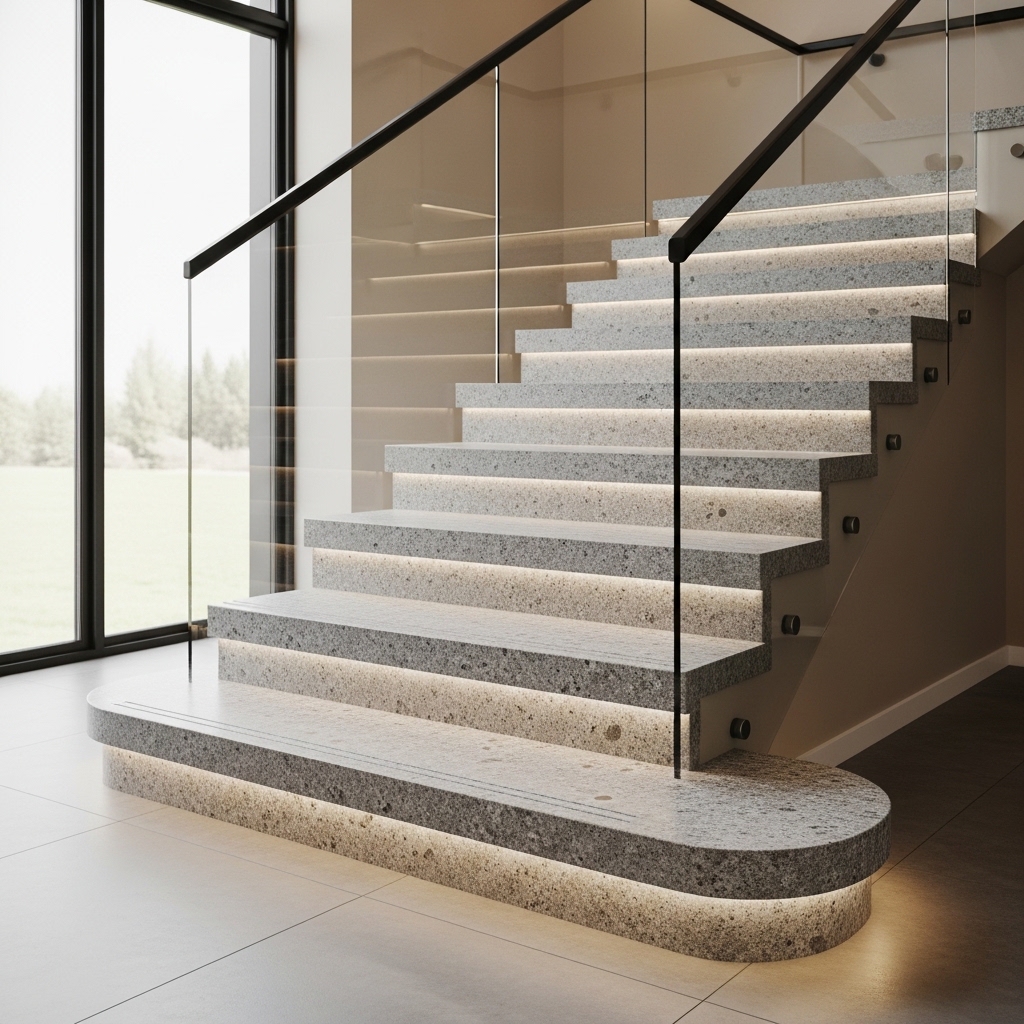
Standard granite slab measurement guide for stairs
A standard granite slab measurement guide for stairs focuses on repeatable, proven choices that deliver durability and clean alignment with minimal visual disruption from seams.
Granite slabs are commonly selected within workable ranges like 2400–3300 mm long and 1400–2000 mm wide (typical examples), and the cut map is designed to keep the landing and main tread faces as continuous as possible.
For example, seams are often pushed to perimeter edges or aligned to side skirting, while tread pieces are cut in a consistent direction for a uniform look across the flight.
Standard tread thickness is often 20–30 mm depending on design, with an eased or chamfered edge to protect the step nose from chipping.
A clean result also relies on consistent joint gaps and careful slab sequencing so tone and grain movement remain harmonious from step to step.
The standard size granite slab stocked in UAE warehouses is often considered to be around 3000 × 1600 mm, providing a practical balance between coverage and ease of fabrication. This size works well for straight kitchen runs, islands, and vanity tops without excessive waste. During layout planning, fabricators align this with the counter standard size to ensure comfortable proportions.
Standard Size Granite Slab for Blue Onyx Marble Feature Designs
A standard size granite slab for Blue Onyx marble feature designs typically measures around 3000 × 1500 mm, providing enough coverage for bar fronts, accent walls, and countertop features. These slab sizes allow careful vein alignment and reduce visible joints. Coordinating granite slab dimensions with blue onyx marble accents enhances the dramatic effect while maintaining structural reliability.
Standard Size Granite Slab for Raised Floor Applications
When asking what is the size of a slab of granite for effective raised floor design, most suppliers offer slabs between 2800 and 3200 mm in length. This size range allows granite to be fabricated into multiple components that align neatly with raised floor modules and transition details.