
What Size Are Granite Slabs?
What size are granite slabs is usually answered as a typical range because granite slab dimensions vary by quarry and bundle, but many countertop slabs commonly fall around 108–120 in long × 60–72 in wide (274.32–304.80 cm × 152.40–182.88 cm). Larger slabs can be around 126 in × 78 in (320.04 cm × 198.12 cm) when available, and smaller half-slabs are often about 96 in × 48 in (243.84 cm × 121.92 cm) for smaller kitchens or vanity projects. Granite slab thickness is most commonly 2 cm (0.79 in / 20 mm) or 3 cm (1.18 in / 30 mm), with 1.5 cm (0.59 in / 15 mm) sometimes used for wall cladding or lighter installations.
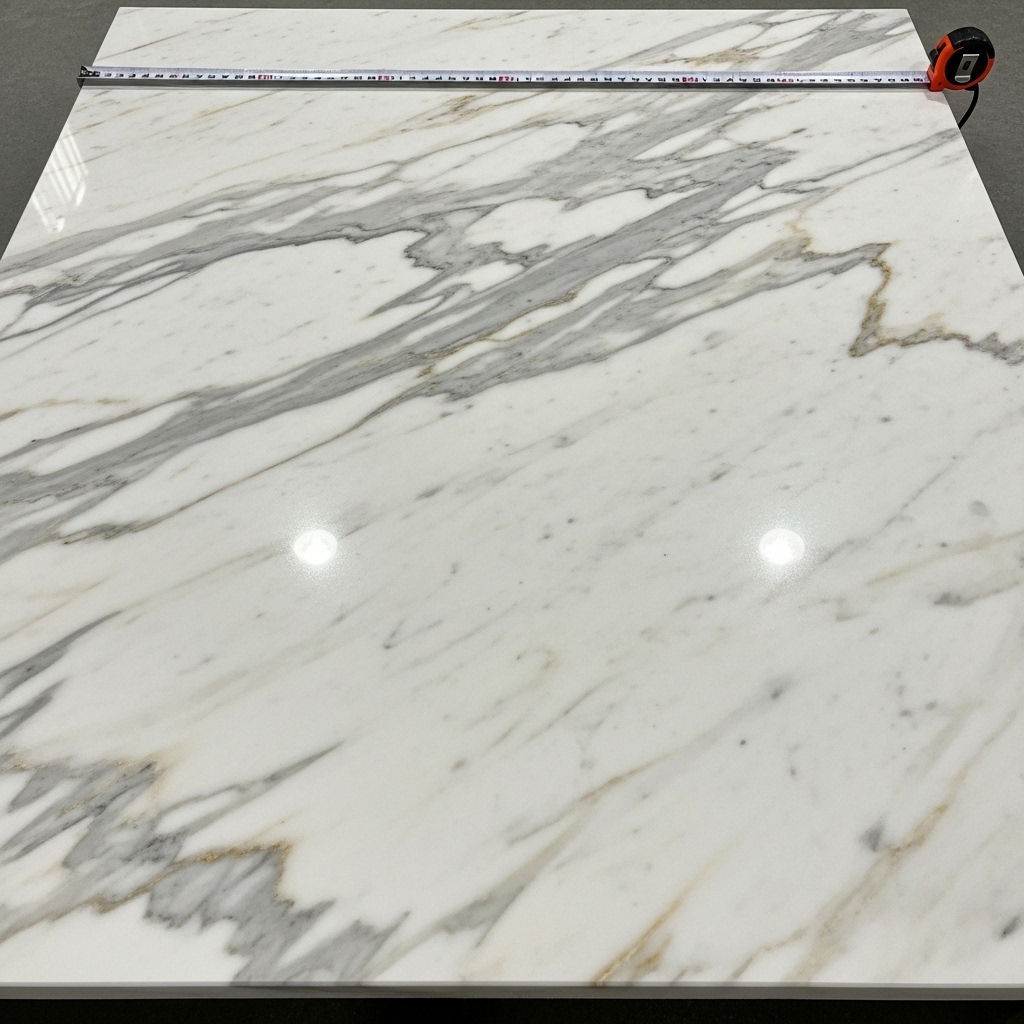
Regular Size
108–120 in × 60–72 in, thickness 0.79 in (2 cm) or 1.18 in (3 cm).
Jumbo Size
126 in × 78 in, thickness 0.79 in (2 cm) or 1.18 in (3 cm).
Super Size
138 in × 78 in, thickness 0.79 in (2 cm) or 1.18 in (3 cm).
Super Jumbo
138 in × 78 in, thickness 0.79 in (2 cm) or 1.18 in (3 cm).
Mini Slab
96 in × 48 in, thickness 0.79 in (2 cm) or 1.18 in (3 cm).
Granite Slab Size Options Guide
Granite slab size options can significantly influence the outcome of your project, and understanding the various factors involved is essential for making informed decisions.
When considering project dimensions, it’s crucial to measure the space accurately; standard granite slabs typically come in sizes of 3 cm thick and can range from 5 to 10 feet in length and 3 to 5 feet in width. Larger slabs can minimize seams, which is particularly beneficial for expansive countertops or large islands.
The desired aesthetic also plays a vital role in selecting slab sizes. For a seamless, modern look, larger slabs are preferable, while smaller slabs may be suitable for intricate designs or patterns.
Budget constraints cannot be overlooked, as larger slabs often come at a premium price. For instance, a standard 3 cm thick slab can cost anywhere from $40 to $100 per square foot, depending on the quality and rarity of the granite.
The fabricator’s expertise is another critical factor; some fabricators may specialize in working with larger slabs, while others may be more adept at handling smaller pieces. It’s advisable to consult with your fabricator to understand their capabilities and recommendations based on your project.
Lastly, specific design requirements, such as cutouts for sinks or appliances, can dictate the size of the slabs you choose. If your design calls for multiple cutouts, smaller slabs may be more practical, whereas a single, large slab can accommodate a more straightforward design with fewer interruptions. By carefully considering these factors, you can select the ideal granite slab size that aligns with your vision and practical needs.
Granite Slab Options: Why Jumbo Matters
Granite slab size options play a crucial role in both aesthetic appeal and functionality in various applications, particularly in kitchen countertops and flooring. One of the primary advantages of opting for larger, jumbo-sized slabs, which can measure up to 126 inches by 76 inches, is the reduction in seams, creating a more seamless and visually appealing surface. This is particularly beneficial in expansive areas where fewer seams can enhance the overall design and minimize the risk of dirt accumulation in joints. Additionally, larger slabs allow for more creative design possibilities, enabling homeowners and designers to utilize a single piece for larger islands or expansive countertops, thus maintaining a consistent pattern and color flow. Furthermore, the thickness of granite slabs, typically ranging from 2 cm to 3 cm, can also influence durability and weight, with thicker slabs providing enhanced strength and resistance to chipping. The variety of finishes available, such as polished, honed, or leathered, further expands the design options, allowing for customization that can suit any style preference. Ultimately, understanding the advantages of granite slab size options, especially the significance of jumbo sizes, empowers consumers to make informed decisions that enhance both the beauty and functionality of their spaces.
Granite Slab Material: Typical Waste Allowance
Granite slab material is renowned for its durability and aesthetic appeal, making it a popular choice for countertops, flooring, and various architectural applications. When planning a project involving granite slabs, it is crucial to consider the typical waste allowance, which generally ranges from 10% to 20% of the total material required. This allowance accounts for potential defects, cuts, and breakage during transportation and installation. For instance, if a project requires 100 square feet of granite, it is advisable to order between 110 to 120 square feet to ensure that there is enough material to complete the job without compromising quality.
Additionally, the waste allowance can vary based on the complexity of the design and the layout of the slabs. Intricate patterns or custom cuts may increase waste, necessitating a higher allowance. It is also important to factor in the skill level of the installers, as inexperienced workers may generate more waste due to improper handling or cutting techniques. By carefully calculating the waste allowance and considering these factors, homeowners and contractors can minimize costs and ensure a successful installation of granite slab materials.
Granite Slab Options: Biggest Format Available
Granite slabs are a popular choice for countertops, flooring, and various architectural applications due to their durability and aesthetic appeal. When considering granite slab options, one of the most significant factors is the format size available. Biggest format granite slabs can measure up to 126 inches by 76 inches, providing a seamless look that is highly desirable in modern design. These large slabs minimize the number of seams required in installations, which not only enhances the visual appeal but also reduces the potential for dirt and grime accumulation in joints.
The availability of oversized granite slabs has revolutionized the way designers and homeowners approach their projects. For instance, a single slab can cover expansive kitchen islands or large bathroom vanities without the need for multiple pieces. This is particularly advantageous in open-concept spaces where continuity and flow are essential.
Additionally, the thickness of these slabs typically ranges from 2 cm to 3 cm, offering both strength and versatility for various applications.
Another benefit of choosing larger granite slabs is the variety of finishes available. Homeowners can select from polished, honed, or leathered finishes, each providing a unique look and feel. Polished finishes are highly reflective and enhance the color and pattern of the granite, while honed finishes offer a more matte appearance that can be less slippery and easier to maintain.
Leathered finishes, on the other hand, provide a textured surface that adds depth and character to the stone.
When selecting granite slabs, it is also essential to consider the color and pattern options. With a wide range of colors, from classic whites and blacks to vibrant blues and greens, there is a granite slab to suit every design aesthetic. For example, a large slab of white Carrara granite can create a stunning focal point in a kitchen, while a deep black granite with gold veining can add a touch of luxury to a bathroom.
The ability to choose large-format slabs allows for more dramatic patterns to be showcased, making the stone a true centerpiece in any space.
In conclusion, the availability of big format granite slabs offers numerous advantages for both functionality and design. With their impressive dimensions, variety of finishes, and extensive color options, these slabs provide an excellent solution for creating beautiful, cohesive spaces.
As the trend towards larger, more open living areas continues, the demand for oversized granite slabs is likely to grow, making them a valuable choice for any renovation or new construction project.
Granite Slab Options: Thickness for High-Traffic Floors
Granite slabs are a popular choice for high-traffic floors due to their durability and aesthetic appeal. When selecting granite slabs for such applications, the thickness of the slabs plays a crucial role in ensuring longevity and performance. Typically, granite slabs come in various thicknesses, with the most common options being 2 cm (approximately ¾ inch) and 3 cm (approximately 1¼ inch).
For high-traffic areas, a thicker slab is often recommended. The 3 cm thickness provides enhanced strength and resistance to cracking, making it ideal for spaces that experience heavy foot traffic, such as commercial buildings, shopping malls, and busy residential areas. This thickness not only offers better structural integrity but also allows for a more substantial appearance, contributing to the overall aesthetic of the space.
In addition to thickness, the choice of finish can also impact the performance of granite in high-traffic areas. Polished finishes, while visually striking, may require more maintenance to keep them looking pristine, as they can show scratches and wear over time. On the other hand, honed finishes offer a more matte appearance and can be less slippery, making them a practical choice for flooring in busy environments.
When considering granite slab options, it is essential to factor in the specific demands of the space. For instance, in areas where heavy furniture or equipment will be moved frequently, opting for a thicker slab can help prevent damage and ensure the floor remains intact over time. Additionally, the installation method can also influence the performance of the granite; proper support and substrate preparation are vital to prevent cracking and shifting.
Ultimately, selecting the right thickness for granite slabs in high-traffic floors is a critical decision that can significantly affect the durability and maintenance of the flooring. By choosing 3 cm slabs and considering the finish and installation techniques, property owners can ensure their granite floors withstand the rigors of daily use while maintaining their beauty for years to come.
Granite slab dimension options for walls & decorative surfaces
Granite slab dimension options for walls typically vary in both overall slab size and thickness, influenced by quarry yield, stone type, and the specific batch selected for the project.
Many suppliers offer slabs within broad ranges such as 2400–3300 mm long and 1400–2000 mm wide (typical examples), and those slabs can be cut into fewer large feature panels or into repeatable cladding modules.
Thickness options commonly include 10 mm, 20 mm, and sometimes 30 mm, with thinner choices often preferred for vertical cladding and thicker choices used for deep returns or bold edge detailing.
For example, a residential feature wall may use two large panels for minimal seams, while a commercial space might prefer modular panels for easier installation and consistent joint alignment.
Choosing the right dimension option also depends on access, lifting limits, and layout strategy so the most attractive granite movement remains in the primary viewing zone without unnecessary seams.
Granite slab dimension options for stairs
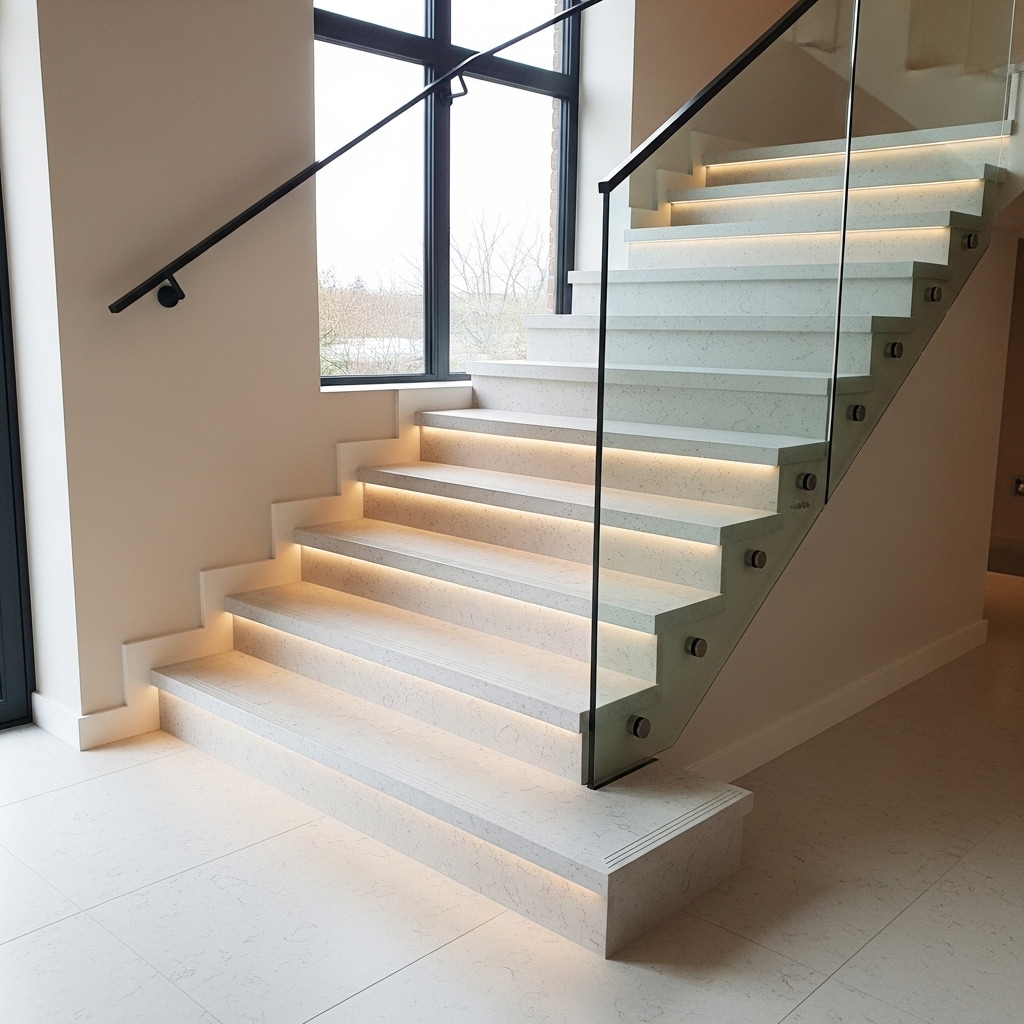
Granite slab dimension options for stairs typically vary in overall slab size range and thickness, allowing designers to choose between more continuous landing pieces or more modular components depending on handling limits.
Many granite slabs are supplied in workable ranges such as 2400–3300 mm long and 1400–2000 mm wide (typical examples), and larger slabs can reduce seams on landings and wide steps when access allows.
Thickness options commonly include 20 mm and 30 mm for stair treads, with thicker profiles or built-up noses used when a bolder step edge is desired.
For example, a staircase with a highly visible turning landing may benefit from selecting larger slabs to keep the landing more continuous, while tighter sites may require smaller modules with carefully aligned joints.
Choosing the best option also considers edge style, skirting requirements, and slab sequencing so tone and grain movement remain consistent across the entire stair flight.
When discussing what size are granite slabs in the UAE, suppliers usually cite ranges of 2800–3200 mm in length and 1500–1800 mm in width, depending on quarry and color selection. These sizes are suitable for standard kitchens, islands, and vanities when layouts are planned efficiently. For broader product information and comparisons, many clients are directed to as a general reference point for stone specifications and services.
What Size Are Granite Slabs for Moon White Granite Kitchen Projects
When evaluating what size are granite slabs for Moon White Granite kitchen projects, suppliers usually provide slabs measuring around 2800–3100 mm in length and 1500–1700 mm in width. These dimensions support straight counter runs, islands, and backsplashes with controlled seam placement. Using moon white granite in these slab sizes creates a bright, cohesive kitchen design with consistent grain and strength.
What Size Are Granite Slabs for Raised Floor Applications
Understanding what size granite slabs come in is essential for effective use with a raised floor. Granite slabs are usually available in lengths up to 3200 mm and widths around 1600 mm, allowing tailored cutting for modular panels. Proper slab sizing ensures stability, ease of maintenance, and long-term performance in raised floor applications.