
Jumbo Slab Size: Understanding Dimensions and Applications
Jumbo slab size (in countertop and engineered-stone terms) usually refers to the larger, seam-reducing sheet formats such as 63 in × 126 in (160.02 cm × 320.04 cm) and 65 in × 130 in (165.10 cm × 330.20 cm), which provide extra width and length compared with standard slabs. In some premium lines, “jumbo” can extend to roughly 78 in × 138 in (198.12 cm × 350.52 cm), allowing oversized islands and longer waterfall legs with fewer joins. Jumbo slabs are most commonly available in 2 cm (0.79 in / 20 mm) and 3 cm (1.18 in / 30 mm) thicknesses, and certain product families may also offer thinner 12 mm (0.47 in / 1.2 cm) panels for specific design uses.
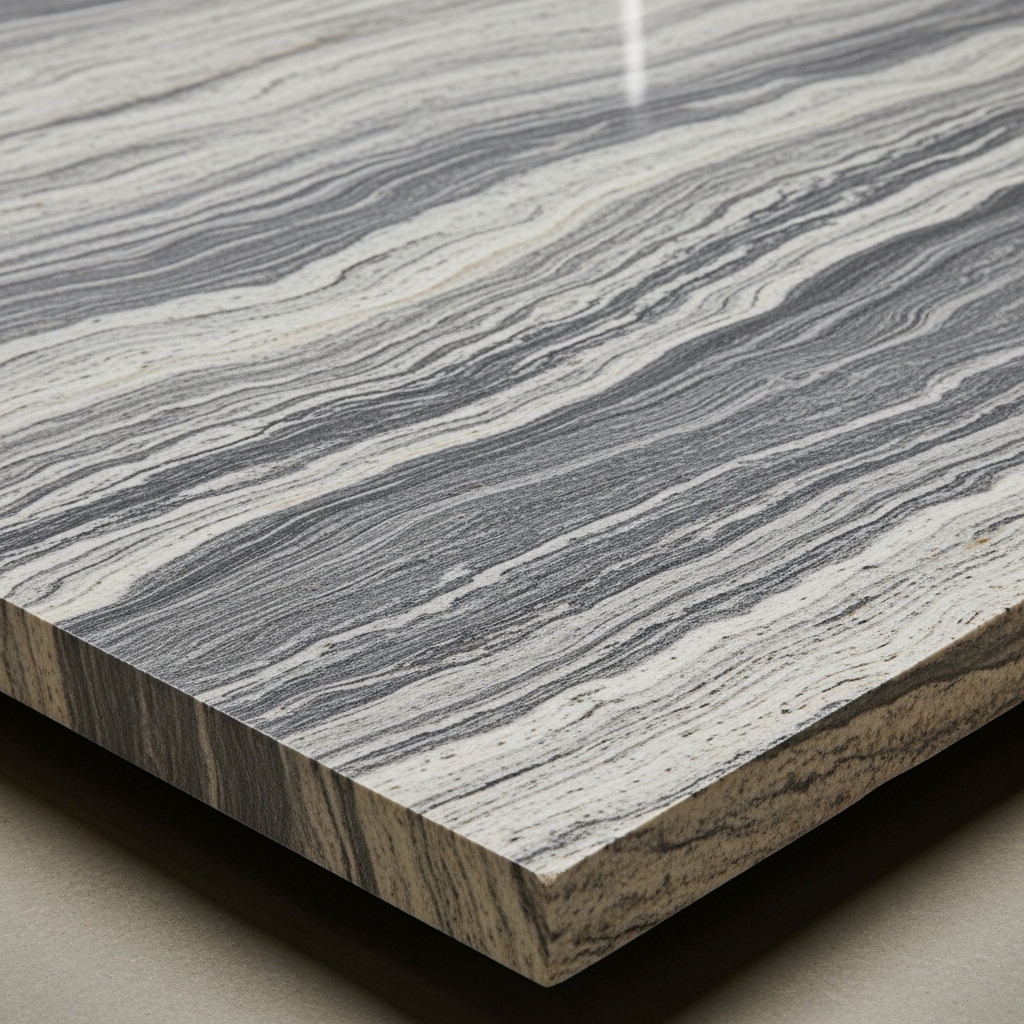
Regular Size
63 in × 126 in, thickness 0.79 in (2 cm) or 1.18 in (3 cm).
Jumbo Size
63 in × 126 in, thickness 0.79 in (2 cm) or 1.18 in (3 cm).
Super Size
78 in × 138 in, thickness 0.79 in (2 cm) or 1.18 in (3 cm).
Super Jumbo
137.80 in × 78.74 in, thickness 0.79 in (2 cm) or 1.18 in (3 cm).
Mini Slab
48 in × 96 in (mini reference), thickness 0.79 in (2 cm) or 1.18 in (3 cm).
Selecting the Right Oversized Slab Dimensions
Selecting the right oversized slab dimensions is crucial for achieving the desired outcome in any project.
First, consider the project dimensions; oversized slabs can range from 3×6 feet to 5×10 feet or larger, depending on the space available and the intended application.
Next, the desired aesthetic plays a significant role; for instance, a minimalist design may benefit from larger, uninterrupted slabs, while a more intricate design might require smaller, more manageable pieces.
Budget constraints are also a key factor; oversized slabs can be more expensive due to their size and the cost of transportation and installation, so it’s essential to balance quality with affordability.
Additionally, the fabricator’s expertise should not be overlooked; some fabricators may specialize in certain materials or techniques, which can influence the choice of slab dimensions.
Lastly, specific design requirements, such as the need for cutouts or unique shapes, may dictate the dimensions of the slabs, ensuring they fit seamlessly into the overall design. By carefully considering these factors, you can select oversized slab dimensions that enhance both functionality and aesthetics in your project.
Why Oversized Slab Formats Make Sense
Selecting the right oversized slab dimensions offers numerous advantages that can significantly enhance both aesthetic appeal and functional performance in various applications.
One of the primary benefits is the reduction of grout lines, which creates a seamless and visually striking surface. For instance, using oversized slabs that measure 5 feet by 10 feet can minimize the number of joints compared to traditional sizes, resulting in a cleaner look that is particularly desirable in modern design.
Additionally, oversized slabs can lead to quicker installation times, as fewer pieces need to be handled and fitted together, ultimately saving labor costs and reducing the time required for project completion.
The larger format also allows for more creative design possibilities, enabling designers to showcase unique patterns and textures without interruption. Furthermore, oversized slabs are often more durable and easier to maintain, as they are less prone to cracking and chipping due to fewer seams.
In commercial spaces, the use of oversized slabs can create a sense of grandeur and spaciousness, making them ideal for high-traffic areas such as lobbies and retail environments. Overall, the strategic selection of oversized slab dimensions not only enhances the visual impact of a space but also contributes to long-term functionality and ease of maintenance.
Rule-of-Thumb Wastage for Jumbo Sheet Materials
Rule-of-Thumb Wastage for Jumbo Sheet Materials refers to the common practice of estimating material wastage during the cutting and processing of large sheets, such as plywood or metal sheets.
Typically, a wastage factor of around 10% to 15% is applied, depending on the complexity of the cuts and the type of material being used.
For instance, if a contractor is working with a jumbo sheet measuring 4×8 feet and the total area of the project requires 30 square feet, the initial calculation would suggest that only one sheet is needed. However, considering the wastage, the contractor should account for an additional 3 to 4 square feet of material, leading to the purchase of at least two sheets to ensure adequate supply.
Furthermore, factors such as the layout of the cuts, the presence of defects in the material, and the skill level of the workers can significantly influence the actual wastage.
Therefore, it is crucial for professionals in the industry to carefully assess these variables and adjust their estimates accordingly to minimize costs and ensure project efficiency.
How Big Can Jumbo Sheet Materials Get?
Jumbo sheet materials, often used in construction, manufacturing, and various industrial applications, can reach impressive dimensions. These sheets are typically larger than standard sizes, which allows for more efficient use of materials and reduced waste.
For instance, in the realm of plywood, jumbo sheets can measure up to 8 feet by 24 feet (approximately 2.44 meters by 7.32 meters), significantly larger than the conventional 4 feet by 8 feet sheets. This size is particularly beneficial for large-scale projects, such as commercial buildings or industrial facilities, where fewer seams and joints are desired for structural integrity and aesthetic appeal.
In addition to plywood, other materials like MDF (Medium Density Fiberboard) and particle board also come in jumbo sizes. These can reach dimensions similar to those of plywood, with some manufacturers offering sheets that are 5 feet by 12 feet (1.52 meters by 3.66 meters) or even larger. The availability of such large sheets allows for more versatile applications, including furniture manufacturing and cabinetry, where larger panels can minimize the need for additional framing or support.
The production of jumbo sheets is not without its challenges. The manufacturing process requires specialized equipment to handle the larger dimensions, ensuring that the sheets maintain their structural integrity and surface quality. Additionally, transportation and handling become more complex, as these oversized materials require larger vehicles and careful maneuvering to avoid damage.
Overall, the trend towards larger sheet materials reflects the industry’s need for efficiency and innovation. As technology advances, we can expect even larger dimensions to become available, further pushing the boundaries of what is possible in construction and manufacturing. The ability to source jumbo sheets not only streamlines the building process but also opens up new possibilities for design and functionality in various applications.
Jumbo Sheet Materials: Recommended Floor Thickness
Jumbo sheet materials, often utilized in construction and manufacturing, have gained popularity due to their versatility and strength. When considering the recommended floor thickness for these materials, it is essential to account for various factors, including the intended use, load-bearing requirements, and the specific type of jumbo sheet being employed.
Typically, the thickness of jumbo sheets can range from 12 mm to 25 mm, depending on the application. For instance, in residential flooring applications, a thickness of around 18 mm is commonly recommended to ensure adequate support and durability. In contrast, commercial spaces that experience heavier foot traffic may require thicker sheets, often around 22 mm to 25 mm, to withstand the increased load and potential wear and tear.
Moreover, the choice of material also plays a crucial role in determining the appropriate thickness. For example, plywood and oriented strand board (OSB) are popular choices for flooring, with plywood generally offering better moisture resistance and structural integrity. When using plywood, a thickness of 18 mm is often sufficient for standard residential applications, while OSB may require a slightly thicker sheet, around 22 mm, to achieve similar performance levels.
It is also important to consider the subflooring and the overall structural design when selecting the thickness of jumbo sheets. A well-constructed subfloor can allow for thinner sheets, while a poorly supported subfloor may necessitate thicker materials to prevent sagging or damage over time. Additionally, local building codes and regulations may dictate minimum thickness requirements, which should always be adhered to for safety and compliance.
In conclusion, selecting the appropriate floor thickness for jumbo sheet materials is a critical decision that impacts the overall performance and longevity of the flooring system. By carefully evaluating the specific application, material type, and structural considerations, one can ensure that the chosen thickness meets both functional and aesthetic needs, ultimately leading to a successful installation.
Jumbo slab format options for walls & decorative surfaces
Jumbo slab format options are chosen for walls and decorative surfaces when the goal is a more seamless, “single-surface” appearance with fewer panel joints, especially in statement areas like living-room feature walls, hotel lobbies, and fireplace surrounds.
Many jumbo quartz formats are supplied in large examples like 3300 × 1650 mm (about 130 × 65 in), and some collections extend into other extra-large ranges depending on the brand and design series, giving more flexibility for wide or tall elevations.
For vertical installations, jumbo slabs are often specified in 6–12 mm thickness to reduce weight while still delivering the premium slab look, while thicker options can be selected when the design includes exposed edges, wrapped corners, or returns where a stronger profile is needed.
A practical example is a wide media wall where a jumbo slab can span most of the visible area, allowing seams to be pushed to the outer edges or aligned with cabinetry lines so the center of the wall remains visually uninterrupted.
Because jumbo slabs are larger and heavier, format planning also includes transport and handling strategy—site access, lifting equipment, and safe panel sizes—so the final installation stays aligned, stable, and visually clean.
Jumbo slab format options for stairs
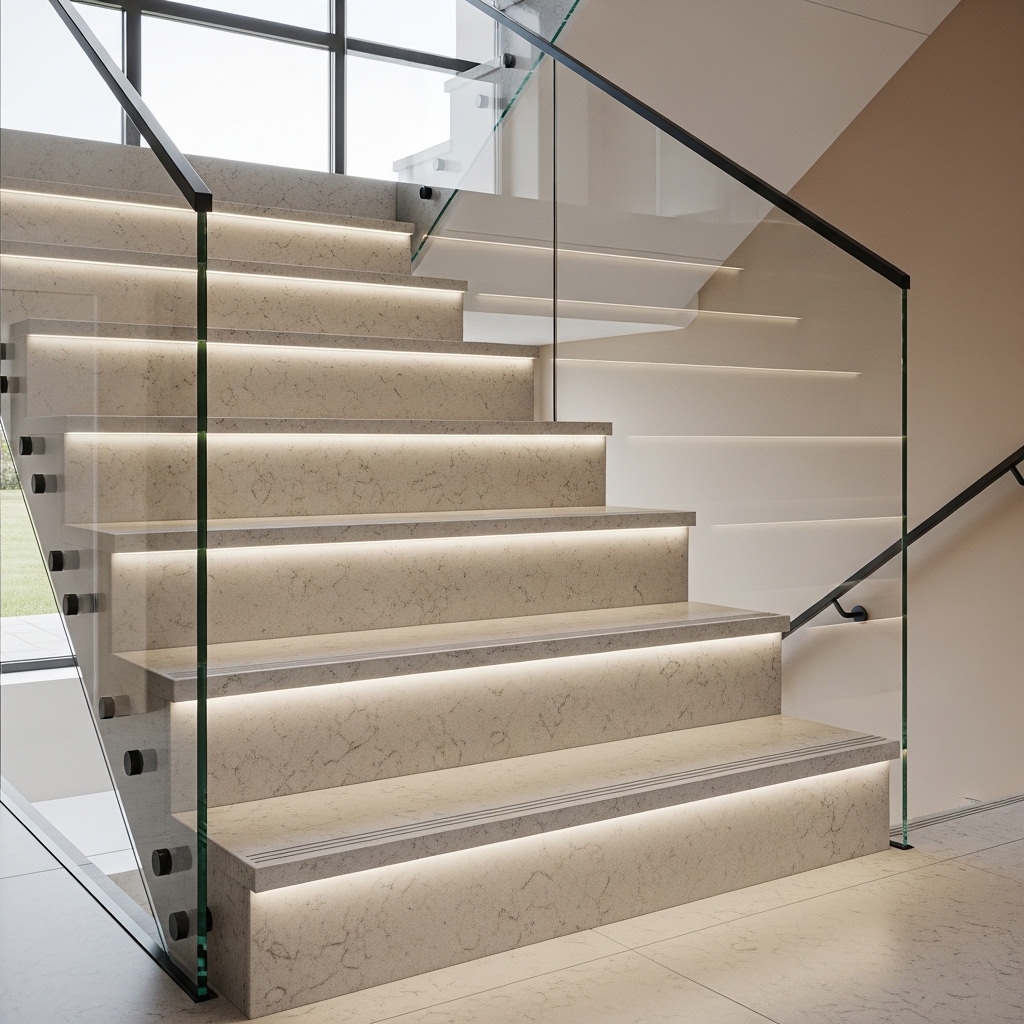
Jumbo slab format options for stairs focus on using oversized slabs to reduce seams, increase continuity on wide stair flights, and create cleaner landing surfaces with fewer joints.
Many jumbo formats (for quartz and similar slab materials) offer around 3300 × 1650 mm as a typical example, giving more room to nest multiple tread pieces and a larger landing section in one consistent pattern direction.
For example, a turning stair with a prominent landing can benefit from jumbo formats because the landing can be cut as one primary panel rather than being split into smaller joined sections.
Thickness is typically chosen for performance—often around 20 mm for treads—while a thicker-looking nose can be achieved with a laminated edge build-up to enhance the step profile.
Because jumbo slabs are heavier and larger, format selection should consider installation method, lifting equipment, and safe handling to maintain precision and avoid breakage during transport and fitting.
In the UAE stone industry, jumbo slab size usually refers to slabs that exceed standard formats, often starting around 3200 × 1600 mm and extending up to approximately 3340 × 1640 mm for certain quartz and natural stone collections. These oversized slabs are favored for luxury villas and commercial projects where long, uninterrupted surfaces are desired. While reviewing specifications, fabricators may also reference granite size in mm to compare how different materials align with the same project dimensions and cutting requirements.
Jumbo Slab Size Options for Blue Onyx Marble Feature Surfaces
Jumbo slab size options for blue onyx marble feature surfaces are particularly important in luxury interiors, where visual continuity is a priority. Jumbo slabs, often measuring around 3200 × 1600 mm or larger, allow dramatic feature walls, bar fronts, and islands to be fabricated with minimal joints. When combined with blue onyx marble, these large slab sizes enhance the stone’s translucency and bold veining for a striking architectural statement.
Jumbo Slab Size Options for Raised Floor Fit-Outs
Jumbo slab size options are widely used in high-end fit-outs that rely on a raised floor system. With dimensions commonly reaching 3200 mm in length, jumbo slabs help cover long spans with minimal cuts. This approach reduces material waste and supports precise alignment with raised floor panels, especially in corporate and institutional environments.