
Slab of Quartz Size
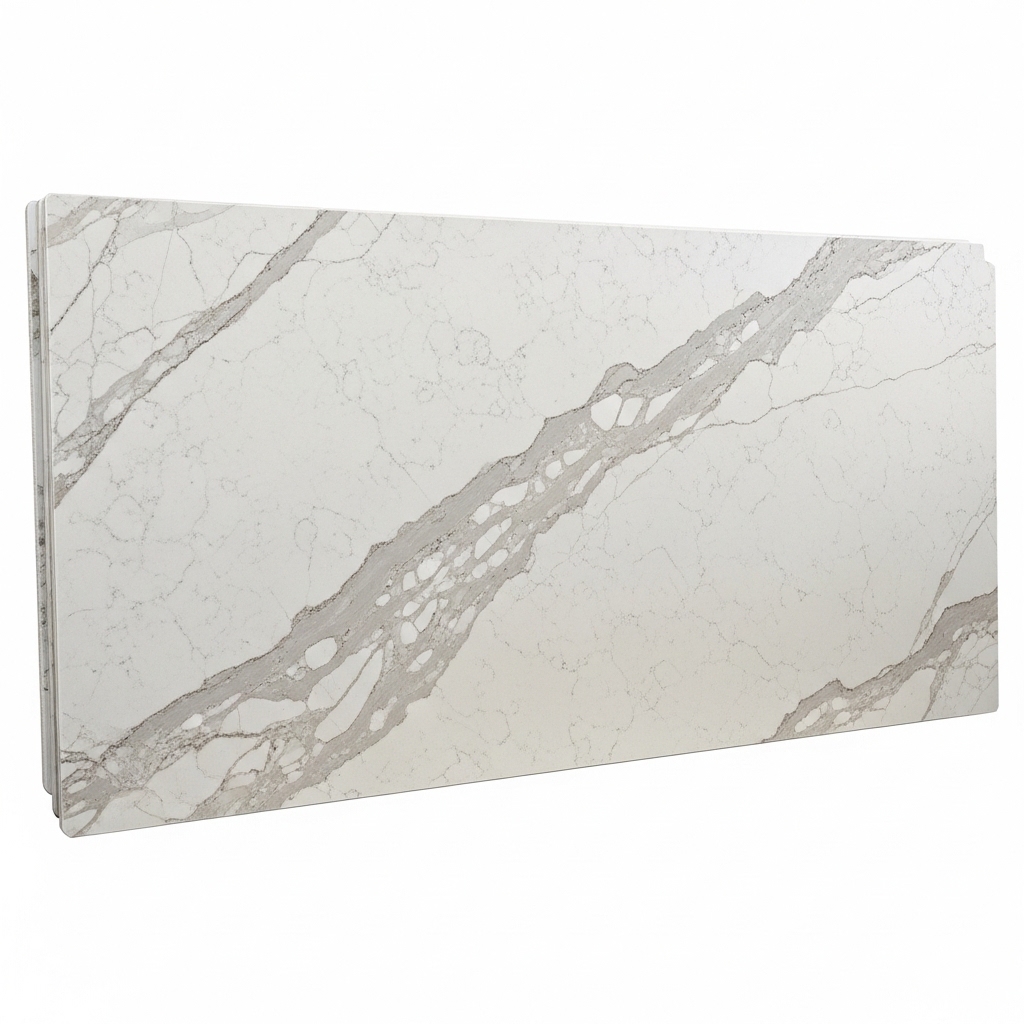
Slab of quartz size usually refers to the factory slab formats supplied for countertop fabrication, and the two most common are the standard 56 in × 120 in (142.24 cm × 304.80 cm) and the jumbo 63 in × 126 in (160.02 cm × 320.04 cm). Some brands also offer bigger options around 65 in × 130 in (165.10 cm × 330.20 cm) to help cover wide islands and waterfall sides, and select collections can go even larger up to about 78 in × 138 in (198.12 cm × 350.52 cm). Quartz thickness is most commonly 2 cm (0.79 in / 20 mm) and 3 cm (1.18 in / 30 mm), with occasional 12 mm (0.47 in / 1.2 cm) availability depending on the product line.
Regular Size
56 in × 120 in, thickness 0.79 in (2 cm) or 1.18 in (3 cm).
Jumbo Size
63 in × 126 in, thickness 0.79 in (2 cm) or 1.18 in (3 cm).
Super Size
78 in × 138 in, thickness 0.79 in (2 cm) or 1.18 in (3 cm).
Super Jumbo
137.80 in × 78.74 in, thickness 0.79 in (2 cm) or 1.18 in (3 cm).
Mini Slab
48 in × 96 in, thickness 0.79 in (2 cm) or 1.18 in (3 cm).
Finding the Right Quartz Slab Dimensions
Finding the right quartz slab dimensions for your project involves careful consideration of several factors that can significantly impact both the functionality and aesthetic appeal of your space.
First, assess the project dimensions; measure the areas where the quartz will be installed, such as countertops, backsplashes, or flooring, to determine the required slab size. For instance, a standard kitchen island may require a slab measuring 108 inches by 60 inches, while a smaller bathroom vanity might only need a 72-inch by 36-inch piece.
Next, consider your desired aesthetic. Quartz slabs come in a variety of colors and patterns, so choose dimensions that will showcase the design effectively. Larger slabs can create a seamless look, ideal for modern designs, while smaller pieces may be better suited for intricate patterns or traditional styles.
Budget constraints also play a crucial role in selecting the right dimensions. Larger slabs typically cost more, not only due to the material itself but also because of the fabrication and installation processes. For example, a high-quality quartz slab can range from $50 to $150 per square foot, so understanding your budget will help narrow down your options.
Additionally, the fabricator’s expertise should not be overlooked. Some fabricators may have limitations on the maximum size of slabs they can handle, which can affect your choices. It’s essential to consult with your fabricator to ensure they can work with the dimensions you have in mind while maintaining the quality of the finish.
Lastly, specific design requirements, such as cutouts for sinks or appliances, must be factored into your slab dimensions. These requirements can influence the overall size and shape of the quartz needed, so it’s important to plan accordingly to avoid any costly mistakes. By carefully evaluating these aspects, you can find the perfect quartz slab dimensions that align with your project goals.
Oversized Quartz Sheets: Why They’re Better
Finding the right quartz slab dimensions or opting for oversized quartz sheets can significantly enhance both the aesthetic and functional aspects of your space.
One of the primary advantages is the reduction of seams, which not only creates a more seamless and visually appealing surface but also minimizes the potential for dirt and bacteria accumulation in grout lines. For instance, using a single oversized slab can cover an area of up to 120 square feet, compared to standard slabs that typically cover around 30 square feet, thereby reducing the number of seams from several to just one or two.
Additionally, oversized quartz sheets provide greater design flexibility, allowing for larger countertops, islands, and backsplashes that can make a bold statement in kitchens and bathrooms. This can be particularly beneficial in open-concept spaces where continuity is key.
Furthermore, the durability of quartz means that these larger slabs can withstand daily wear and tear while maintaining their beauty, making them a practical choice for high-traffic areas.
Ultimately, selecting the right dimensions or oversized options not only elevates the overall design but also enhances the longevity and functionality of your surfaces, making it a wise investment for any renovation project.
Expected Cutting Waste for Quartz Surfaces
When considering the expected cutting waste for quartz surfaces, it is essential to understand that the waste percentage can vary based on several factors, including the complexity of the design, the size of the slabs, and the cutting techniques employed. Typically, the cutting waste for quartz surfaces ranges from 10% to 20%. This means that for every 100 square feet of quartz material, approximately 10 to 20 square feet may be lost during the cutting process.
Efficient layout planning can significantly reduce waste; for instance, using advanced software to optimize the arrangement of cuts can help minimize the amount of leftover material. Additionally, the skill of the fabricator plays a crucial role; experienced professionals can make precise cuts that reduce waste.
It is also important to consider the type of edge profiles chosen, as more intricate designs may lead to increased waste. For example, a simple straight edge may produce less waste compared to a more elaborate beveled or bullnose edge.
Ultimately, understanding these factors and planning accordingly can help in managing cutting waste effectively, ensuring that the project remains cost-efficient while maximizing the use of the quartz material.
Quartz Surfacing: Largest Available Format
Quartz surfacing has emerged as a popular choice in the realm of interior design and architecture, particularly due to its versatility and aesthetic appeal. One of the most significant advantages of quartz surfacing is its availability in large formats, which can dramatically enhance the visual impact of a space. Typically, quartz slabs can be found in sizes up to 120 inches by 55 inches, allowing for expansive applications in countertops, wall cladding, and flooring without the need for multiple seams. This large format not only provides a seamless look but also minimizes the potential for dirt and bacteria accumulation in joints, making it a hygienic option for kitchens and bathrooms.
The manufacturing process of quartz surfacing involves combining approximately 90% crushed natural quartz crystals with resins and pigments, resulting in a durable and non-porous material. This composition contributes to its strength and resilience, making it resistant to scratches, stains, and heat. Moreover, quartz surfacing is available in a wide array of colors and patterns, including options that mimic the appearance of natural stone, such as marble and granite. This versatility allows designers and homeowners to achieve their desired aesthetic without compromising on performance.
In addition to its aesthetic and functional benefits, the large format of quartz surfacing can also lead to cost savings during installation. Fewer seams mean less labor and material costs, as well as a quicker installation process. For instance, a single large slab can cover a significant area, reducing the time spent on cutting and fitting multiple smaller pieces. Furthermore, the weight of these large slabs can be managed with proper support systems, ensuring that they can be safely installed in various applications.
As the demand for quartz surfacing continues to grow, manufacturers are innovating to produce even larger slabs, with some reaching dimensions of up to 126 inches by 63 inches. This trend not only caters to the aesthetic desires of consumers but also aligns with the increasing popularity of open-concept living spaces, where expansive surfaces can create a sense of continuity and flow. Ultimately, the combination of large format availability, durability, and design flexibility makes quartz surfacing a leading choice for modern interiors, appealing to both residential and commercial markets alike.
Quartz Surfacing: Thick Options for High Traffic
Quartz surfacing has emerged as a popular choice for both residential and commercial applications, particularly in high-traffic areas where durability and aesthetics are paramount. One of the significant advantages of quartz surfacing is its thickness options, which can range from 1 cm to 3 cm or more. Thicker slabs, typically around 2 cm to 3 cm, provide enhanced strength and resistance to chipping and cracking, making them ideal for countertops, flooring, and wall cladding in busy environments such as restaurants, hotels, and retail spaces.
The density of quartz surfacing, which is composed of approximately 90% crushed natural quartz combined with resins and pigments, contributes to its robustness. This composition not only makes it resistant to scratches and stains but also allows for a wide variety of colors and patterns, catering to diverse design preferences. For instance, thicker options can support heavier loads and withstand the wear and tear associated with high foot traffic, ensuring that surfaces maintain their integrity over time.
In terms of maintenance, quartz surfacing is non-porous, which means it does not require sealing like natural stone surfaces. This characteristic is particularly beneficial in high-traffic areas where spills and stains are more likely to occur. Regular cleaning with mild soap and water is usually sufficient to keep the surface looking pristine. Additionally, the thickness of the material can also contribute to its thermal resistance, making it suitable for kitchen environments where hot pots and pans may be placed directly on the surface.
Investing in thicker quartz surfacing can also be a cost-effective choice in the long run. While the initial cost may be higher than thinner options, the durability and low maintenance requirements can lead to significant savings over time. For example, a 3 cm thick quartz countertop may cost between $60 to $100 per square foot, but its longevity and resilience can justify the investment, especially in commercial settings where replacement costs can be substantial.
Overall, quartz surfacing in thicker options presents an excellent solution for high-traffic areas, combining aesthetic appeal with practical benefits. Its ability to withstand the rigors of daily use while offering a wide range of design possibilities makes it a favored choice among architects, designers, and homeowners alike.
Quartz slab measurement overview for walls & decorative surfaces
A quartz slab measurement overview for walls includes slab format, thickness choice, seam layout, and pattern direction—because all four factors affect how seamless the final surface looks.
Typical slab formats like 3000 × 1400 mm or 3200 × 1600 mm are often used to reduce seams on feature walls and backsplashes compared to smaller cladding pieces.
For vertical use, thickness is frequently 6–12 mm to control weight, while 20 mm is chosen when exposed edges or matching countertop detailing matters.
As a planning example, placing seams on inside corners, behind trim lines, or aligned with cabinetry edges helps the wall look cleaner and more intentional.
Many projects also sequence panels from the same batch to keep tone consistent and ensure veining flows in a controlled direction across the elevation.
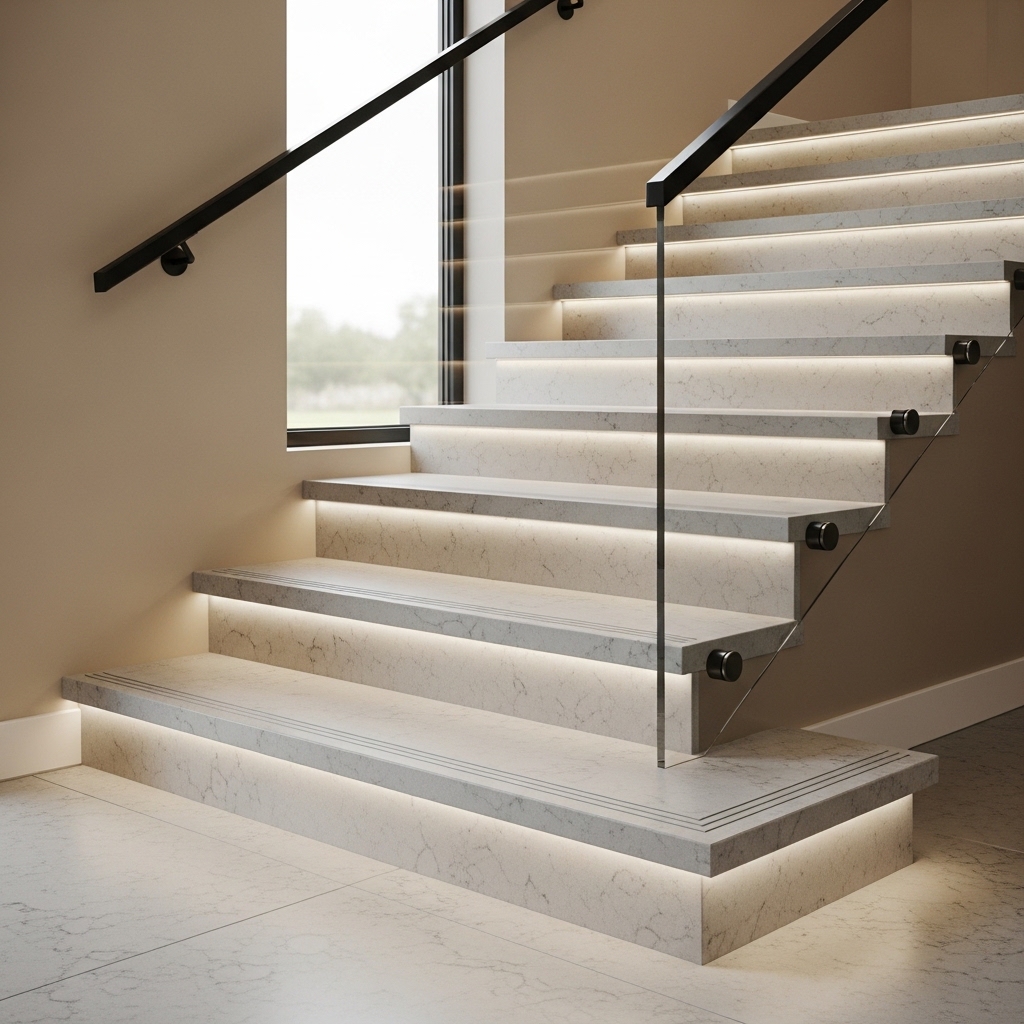
Quartz slab measurement overview for stairs
A measurement overview for quartz stairs combines site dimensions, slab format, thickness, seam strategy, and edge detailing into one clear fabrication plan.
Start with accurate tread depth, riser height, flight width, and landing sizes, then decide where seams can be hidden—usually at side returns, skirting runs, or along a landing edge rather than through the center.
Quartz slabs commonly come in large formats like 3000 × 1400 mm and 3200 × 1600 mm, which helps produce repeated treads from one batch for consistent tone.
For example, using a 3200 × 1600 mm slab (about 5.12 m²) can reduce how many separate pieces are needed on a wide landing compared to smaller formats.
Finalize the overview by confirming tread thickness (often 20 mm), selecting a practical nose finish, and keeping joint gaps uniform so the staircase looks precise and premium.
Discussing slab of quartz size in UAE projects usually means choosing between standard slabs at about 3040 × 1440 mm and jumbo slabs that extend beyond 3200 mm in length. The decision affects seam placement, waste percentage, and overall visual flow of the countertop. Accurate templates depend on confirming the size of a quartz slab from the exact batch being used.
Slab of Quartz Size Guide for Threshold Marble Installations
A slab of quartz size guide for threshold marble installations focuses on selecting slabs large enough to fabricate both countertops and transition pieces from the same batch, typically using 3040 × 1440 mm or larger jumbo slabs. This approach ensures color and thickness consistency across adjoining spaces. Fabricating a matching threshold marble from quartz slab offcuts results in a clean, durable, and visually unified finish.
Slab of Quartz Size Guide for Raised Floor Areas
A slab of quartz size guide for raised floor areas usually focuses on slabs ranging from 3000 × 1400 mm to 3200 × 1600 mm. These dimensions allow efficient fabrication of countertops, work surfaces, and edge details while ensuring compatibility with raised floor panels and long-term durability under daily use.