
Average Slab Size Insights
Average slab size (general countertop slabs across materials) can be estimated by looking at the most common mainstream slab formats: engineered quartz is often 56 in × 120 in (142.24 cm × 304.80 cm) for standard slabs and 63 in × 126 in (160.02 cm × 320.04 cm) for jumbo slabs, while many natural stones (granite, marble, quartzite) commonly land around 108–120 in long × 60–72 in wide (274.32–304.80 cm × 152.40–182.88 cm). As a practical “average” reference across these categories, many fabricators think in the neighborhood of about 60 in × 123 in (152.40 cm × 312.42 cm) for engineered quartz or about 114 in × 66 in (289.56 cm × 167.64 cm) for natural stone, depending on what material you’re averaging. Thickness across most slab types is most commonly 2 cm (0.79 in / 20 mm) or 3 cm (1.18 in / 30 mm), with 1.5 cm (0.59 in / 15 mm) sometimes used for cladding and lighter applications.
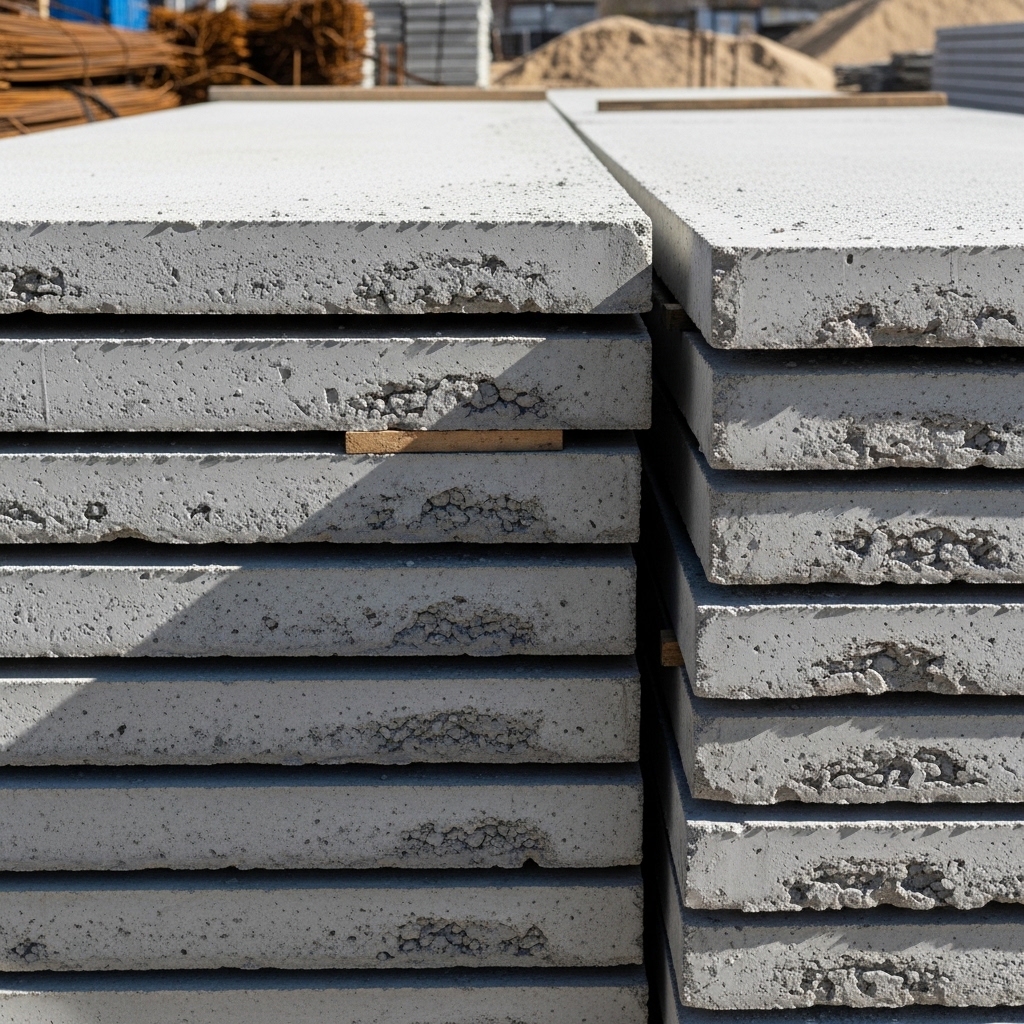
Regular Size
60 in × 123 in (engineered average) or 114 in × 66 in (natural-stone average), thickness 0.79 in (2 cm) or 1.18 in (3 cm).
Jumbo Size
63 in × 126 in (engineered jumbo average) or 126 in × 78 in (natural-stone jumbo average), thickness 0.79 in (2 cm) or 1.18 in (3 cm).
Super Size
78 in × 138 in (engineered super average) or 138 in × 78 in (natural-stone super average), thickness 0.79 in (2 cm) or 1.18 in (3 cm).
Super Jumbo
137.80 in × 78.74 in (engineered super jumbo average) or 138 in × 78 in (natural-stone super average), thickness 0.79 in (2 cm) or 1.18 in (3 cm).
Mini Slab
48 in × 96 in (engineered mini average) or 96 in × 48 in (natural-stone mini average), thickness 0.79 in (2 cm) or 1.18 in (3 cm).
Choosing an All-Purpose Slab Format
Choosing an all-purpose slab format requires careful consideration of several factors to ensure the final outcome meets both functional and aesthetic needs.
First, project dimensions play a crucial role; for instance, larger spaces may benefit from larger slabs, such as 3×6 feet, which can minimize grout lines and create a seamless look, while smaller areas might require more manageable sizes like 2×4 feet to fit within tight layouts.
Desired aesthetic is another key factor; if a modern, minimalist look is preferred, opting for a polished finish with a consistent color palette can enhance the overall design.
Budget constraints must also be taken into account, as high-end materials like quartz or marble can range from $50 to $200 per square foot, while more economical options like laminate or ceramic may cost between $10 and $30 per square foot.
The fabricator’s expertise is essential; selecting a fabricator experienced in the chosen material ensures quality workmanship and adherence to design specifications.
Lastly, specific design requirements, such as the need for cutouts for sinks or integrated backsplashes, should be discussed early in the process to ensure the chosen slab format can accommodate these features without compromising the overall design integrity.
All-Purpose Slab Formats: Why Bigger Is Better
Choosing an all-purpose slab format offers numerous advantages that can significantly enhance both efficiency and versatility in various applications. One of the primary benefits is the ability to cover larger areas with fewer seams, which not only improves the aesthetic appeal but also reduces the risk of water infiltration and structural weaknesses. For instance, a single all-purpose slab measuring 10 feet by 20 feet can replace multiple smaller slabs, minimizing installation time and labor costs.
Additionally, larger slabs often come with enhanced durability, as they are less prone to cracking and damage compared to smaller formats. This durability translates into lower maintenance costs over time, making them a cost-effective choice for both residential and commercial projects.
Furthermore, the flexibility of all-purpose slabs allows for a wide range of design possibilities, accommodating various styles and finishes that can suit any architectural vision. With the growing trend towards open-concept spaces, the seamless look provided by larger slabs can create a more cohesive and spacious environment.
In summary, opting for all-purpose slab formats not only streamlines the installation process but also offers long-term benefits in durability, maintenance, and design versatility, making them an ideal choice for modern construction needs.
All-Purpose Slab Material: General Waste Allowance
All-purpose slab material is a versatile construction component widely used in various building projects, providing a robust foundation and structural integrity. When considering the general waste allowance for all-purpose slabs, it is essential to account for material loss during the cutting, shaping, and installation processes. Typically, a waste allowance of around 5% to 10% is recommended, depending on the complexity of the project and the type of materials used. For instance, if a project requires 100 square meters of slab material, incorporating a 10% waste allowance would mean ordering an additional 10 square meters, bringing the total to 110 square meters. This allowance helps mitigate the risks associated with unexpected damages or miscalculations, ensuring that the project stays on schedule and within budget. Additionally, proper planning and accurate measurements can further reduce waste, promoting sustainability and cost-effectiveness in construction practices. By understanding and applying the general waste allowance effectively, builders can enhance the efficiency of their projects while minimizing environmental impact.
All-Purpose Slab Material: Largest Format Options
All-purpose slab materials have gained immense popularity in recent years due to their versatility and aesthetic appeal. These materials are available in various formats, with the largest options providing significant advantages for both residential and commercial applications. Large format slabs can measure up to 10 feet by 5 feet or even larger, allowing for fewer seams and a more cohesive look in any space. This is particularly beneficial in areas like kitchens and bathrooms, where a seamless surface can enhance the overall design and make cleaning easier.
One of the most notable benefits of using large format slabs is the reduction in grout lines. Traditional tiles often require multiple grout lines, which can be unsightly and difficult to maintain. In contrast, large slabs minimize these lines, creating a sleek and modern appearance. For instance, a kitchen countertop made from a single slab can provide a striking focal point, while also offering durability and resistance to stains and scratches.
Moreover, the weight and thickness of these slabs can vary, with options ranging from 1 cm to 3 cm in thickness. Thicker slabs are ideal for applications that require additional strength, such as countertops or flooring in high-traffic areas. The material options for these slabs are also diverse, including natural stone, porcelain, and engineered quartz, each offering unique benefits. For example, porcelain slabs are known for their high resistance to heat and moisture, making them suitable for outdoor kitchens or bathrooms.
In terms of installation, large format slabs can be more challenging due to their size and weight, often requiring professional handling. However, the investment in proper installation pays off in the long run, as these slabs can last for decades with minimal maintenance. Additionally, the aesthetic appeal of large format slabs can significantly increase property value, making them a wise choice for homeowners looking to enhance their living spaces.
Overall, the largest format options in all-purpose slab materials provide a blend of functionality and style that is hard to match. With their ability to create expansive, uninterrupted surfaces, they cater to modern design trends while offering practical benefits that enhance everyday living. As the demand for these materials continues to grow, it is clear that large format slabs are here to stay, revolutionizing the way we think about surfaces in our homes and businesses.
All-Purpose Slab Materials: High-Traffic Thickness
All-purpose slab materials are essential in construction, particularly in high-traffic areas where durability and resilience are paramount. These materials are designed to withstand significant wear and tear, making them ideal for environments such as commercial spaces, warehouses, and public facilities. High-traffic thickness refers to the specific thickness of these slabs, which typically ranges from 4 to 6 inches, depending on the expected load and usage. This thickness ensures that the slabs can support heavy machinery, foot traffic, and other stresses without compromising structural integrity.
One of the most popular materials used for all-purpose slabs is reinforced concrete. This material is favored for its strength and longevity, with compressive strengths often exceeding 4,000 psi. The addition of steel reinforcement bars (rebar) enhances its load-bearing capacity, making it suitable for high-traffic applications. In addition to concrete, other materials such as asphalt and composite slabs are also utilized, particularly in outdoor settings where flexibility and resistance to cracking are crucial.
Another critical aspect of all-purpose slab materials is their surface finish. In high-traffic areas, the surface must be designed to provide adequate traction while being easy to clean and maintain. Textured finishes or the application of sealants can enhance slip resistance, which is vital in preventing accidents. Furthermore, the choice of color and design can also play a role in aesthetics, allowing for customization that aligns with the overall design of the space.
In terms of installation, proper preparation of the subgrade is essential to ensure the longevity of high-traffic slabs. A well-compacted base can prevent settling and cracking, which are common issues in high-load scenarios. Additionally, the curing process for concrete slabs is critical; it typically requires a minimum of 28 days to reach optimal strength, although advancements in curing compounds can expedite this process.
Overall, the selection of all-purpose slab materials with appropriate high-traffic thickness is crucial for ensuring safety, durability, and functionality in various applications. By understanding the specific requirements of the environment and choosing the right materials, builders can create robust structures that stand the test of time.
Typical slab measurements for walls & decorative surfaces
Typical slab measurements for walls and decorative surfaces refer to widely produced large-format sheets used across quartz, granite, marble, and other materials, chosen to balance coverage with practical handling and transport.
Rather than relying on one single size, many projects start from common large slab formats and then cut panels to suit the wall elevation, site access, and the desired seam pattern.
As an example approach, a designer may choose fewer large panels for a more monolithic look, or cut repeatable modules (such as 800 × 1600 mm as an illustrative panel size) to create a structured grid with consistent joints.
Thickness selection is usually tailored to vertical performance—lighter panels are often preferred where possible, while thicker slabs are reserved for exposed edges, returns, or feature details that require a stronger profile.
A successful slab plan also includes consistent joint spacing, clean edge finishing, and seam placement aligned to architectural lines so the decorative wall looks intentional and refined.
Typical slab measurements for stairs
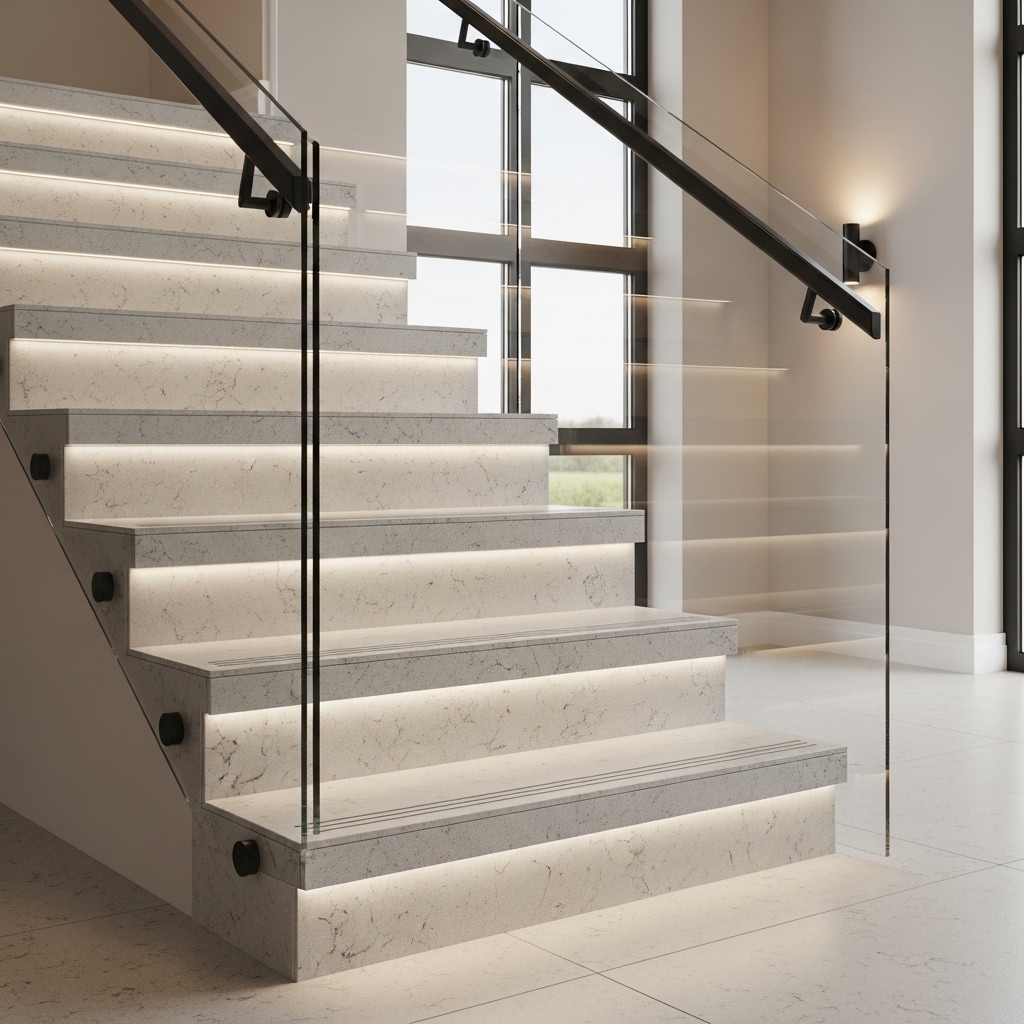
Typical slab measurements for stairs refer to commonly available large-format slabs used across quartz, granite, and other stones that can be cut into repeated tread-and-riser components with controlled seam placement.
Rather than relying on one fixed size, typical planning selects a slab format that minimizes joints on landings and allows consistent cut orientation for treads across the flight.
For example, using larger slabs makes it easier to keep the landing as one dominant panel, while treads are nested around it to improve yield and maintain visual continuity.
Stair treads typically require robust thickness (often around 20 mm for many materials), and edge detailing (eased or chamfered) helps protect the high-contact step nose.
A successful typical-slab plan also keeps joint widths consistent and aligns seams to side returns or skirting lines so the staircase reads straight and professionally finished.
In general stone planning across the UAE, average slab size refers to the most commonly stocked dimensions that balance material coverage, transport, and fabrication efficiency, often around 3000 × 1500 mm. This baseline helps designers estimate seams and wastage early in the project. When engineered stone is involved, these estimates are refined further by confirming the size of a slab of quartz from the selected brand and collection.
Average Slab Size Guide for Black Marble Style Interiors
An average slab size guide for black marble style interiors often references slabs around 3000 × 1500 mm, providing ample coverage for counters, feature walls, and vanity tops. These dimensions support dramatic veining and deep color tones without excessive jointing. Using slabs of this size is ideal for achieving the bold, elegant look associated with black marble inspired interior designs.
Average Slab Size Reference for Raised Floor Layouts
An average slab size reference is often used during early-stage raised floor layouts to streamline material planning. Slabs averaging around 3000 × 1500 mm are suitable for most interior applications. Aligning these dimensions with a raised floor grid reduces cutting waste, improves accuracy, and supports long-term performance.