
Size of Granite Slab
Size of a granite slab (full slabs for fabrication) varies by quarry and supplier bundle, but common countertop slab ranges are often about 108–120 in long × 60–72 in wide (274.32–304.80 cm × 152.40–182.88 cm). When wider cuts are available, many suppliers also carry slabs around 126 in × 78 in (320.04 cm × 198.12 cm), and smaller half-slabs can be about 96 in × 48 in (243.84 cm × 121.92 cm) for compact projects. Granite slab thickness is typically 2 cm (0.79 in / 20 mm) or 3 cm (1.18 in / 30 mm), with 1.5 cm (0.59 in / 15 mm) sometimes supplied for wall cladding, backsplashes, and lighter installations.
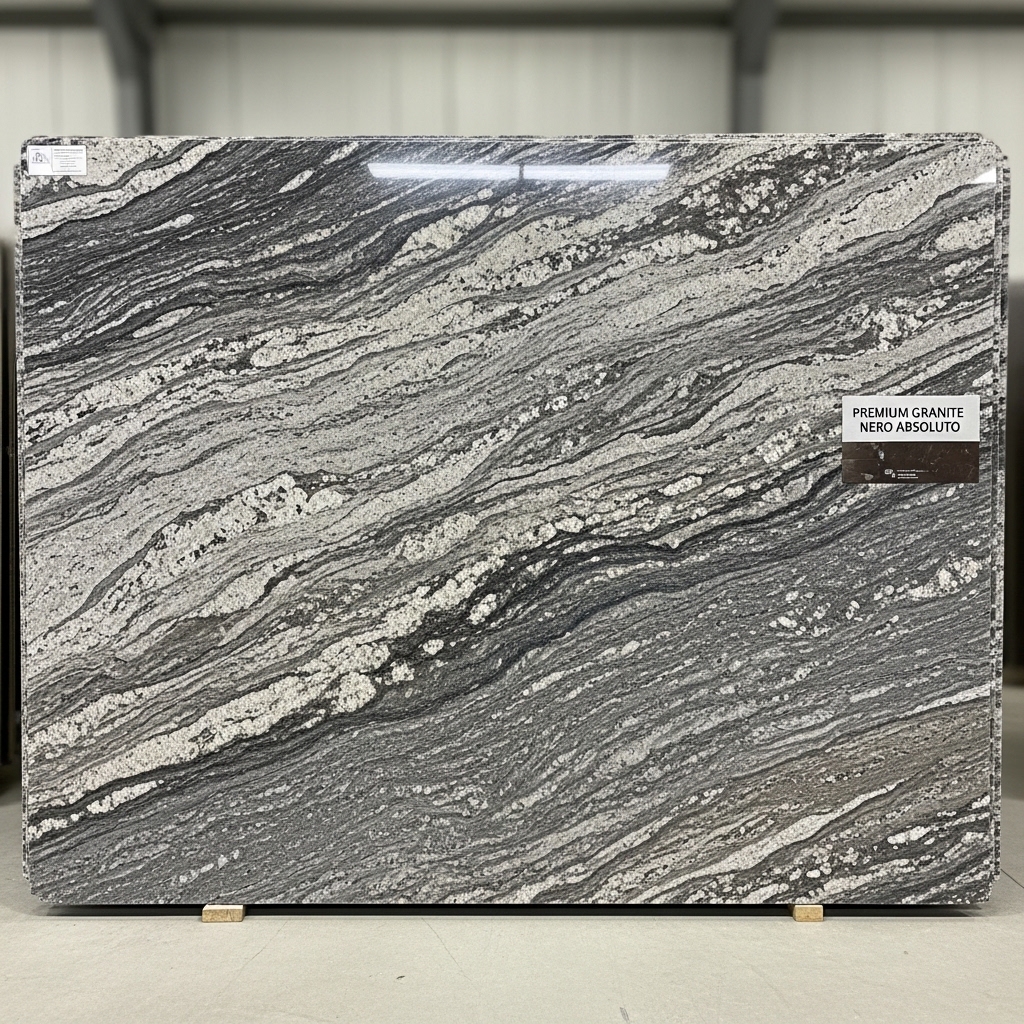
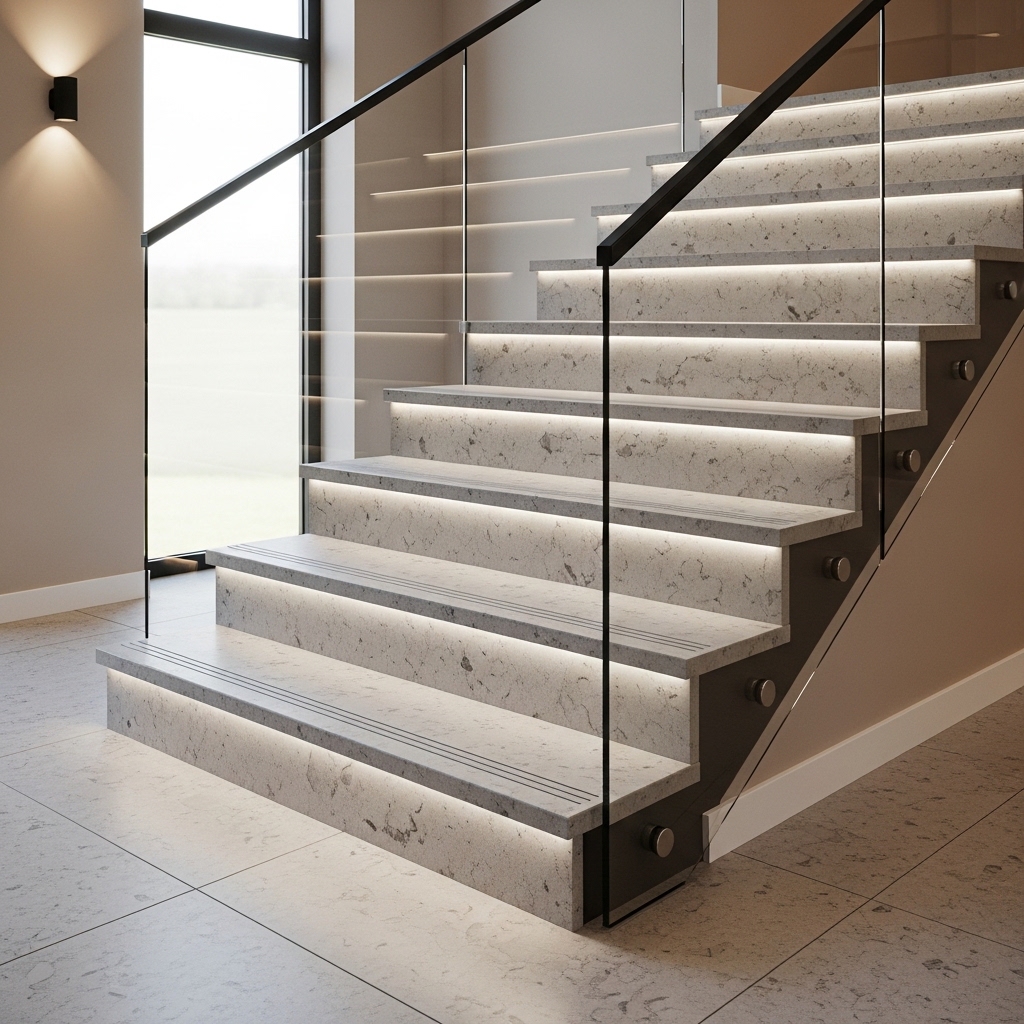
Regular Size
108–120 in × 60–72 in, thickness 0.79 in (2 cm) or 1.18 in (3 cm).
Jumbo Size
126 in × 78 in, thickness 0.79 in (2 cm) or 1.18 in (3 cm).
Super Size
138 in × 78 in, thickness 0.79 in (2 cm) or 1.18 in (3 cm).
Super Jumbo
138 in × 78 in, thickness 0.79 in (2 cm) or 1.18 in (3 cm).
Mini Slab
96 in × 48 in, thickness 0.79 in (2 cm) or 1.18 in (3 cm).
Granite Slab Dimension Guide
When selecting granite slabs for a project, understanding the dimensions is crucial to achieving the desired aesthetic while adhering to budget constraints and specific design requirements.
The standard dimensions of granite slabs typically range from 3 cm to 5 cm in thickness, with lengths of 8 to 10 feet and widths of 4 to 6 feet. For larger projects, such as kitchen countertops or expansive tabletops, opting for larger slabs can minimize seams and create a more cohesive look.
Aesthetic preferences play a significant role in the choice of slab dimensions; for instance, a modern kitchen may benefit from longer, uninterrupted surfaces, while a traditional design might incorporate smaller, more intricate pieces.
Budget constraints are also a key factor, as larger slabs often come at a premium price. For example, a high-quality granite slab can range from $40 to $100 per square foot, depending on the rarity and finish.
Additionally, the fabricator’s expertise should not be overlooked, as some may specialize in specific types of cuts or finishes that can influence the final dimensions and overall look of the project.
Finally, specific design requirements, such as the need for custom edges or cutouts for sinks and appliances, can dictate the dimensions of the slabs needed. By carefully considering these factors, one can ensure that the granite slab dimensions align perfectly with the project’s goals and constraints.
Granite Slab Dimensions: Why Larger Helps
Granite slab dimensions play a crucial role in both aesthetic appeal and functionality in various applications, particularly in kitchen countertops and flooring. One of the primary advantages of larger granite slabs, typically ranging from 3 to 5 centimeters in thickness, is their ability to create a seamless look, minimizing the number of joints and enhancing the overall visual impact.
Larger slabs also provide greater durability, as they are less prone to cracking and chipping compared to smaller pieces. For instance, a single slab measuring 10 feet by 5 feet can cover a significant area without the need for multiple seams, which not only simplifies installation but also reduces maintenance concerns.
Additionally, larger dimensions allow for more design flexibility, enabling homeowners and designers to create expansive surfaces that can accommodate various layouts and styles. This is particularly beneficial in open-concept spaces where continuity is key. Furthermore, larger slabs can be more cost-effective in the long run, as they often require less labor for installation and fewer materials overall. In summary, opting for larger granite slab dimensions not only enhances the beauty of a space but also offers practical advantages in terms of durability, maintenance, and design versatility.
Granite Slab Material: Expected Cutting Waste
Granite slabs are a popular choice for countertops, flooring, and various architectural applications due to their durability and aesthetic appeal. When working with granite, it is essential to consider the expected cutting waste, which can significantly impact both cost and material efficiency. Typically, the cutting waste for granite slabs ranges from 10% to 20%, depending on the complexity of the design and the layout of the cuts.
For instance, if you are working with a 100 square foot slab, you might expect to waste between 10 to 20 square feet during the cutting process. This waste can arise from several factors, including the need to cut around imperfections in the stone, the kerf created by the saw blade, and the layout of the pieces required for the project.
To minimize waste, it is advisable to plan the layout meticulously, taking into account the dimensions of the finished pieces and the natural patterns of the granite. Utilizing advanced software for design and layout can help optimize the use of each slab, reducing unnecessary cuts. Additionally, collaborating with experienced fabricators who understand the nuances of granite can further enhance efficiency and minimize waste, ultimately leading to a more sustainable and cost-effective project.
Granite Slab Material: Biggest Format Available
Granite slab material is renowned for its durability and aesthetic appeal, making it a popular choice for various applications, including countertops, flooring, and wall cladding. One of the most significant advantages of granite is its availability in large formats, which can dramatically enhance the visual impact of a space.
Granite slabs can be found in sizes up to 10 feet by 5 feet, allowing for fewer seams and a more cohesive look in installations. This is particularly beneficial in kitchen countertops, where a seamless surface can create a more elegant and functional workspace.
The thickness of granite slabs typically ranges from 2 cm to 3 cm, with the thicker slabs providing added strength and durability.
In terms of weight, a standard 3 cm thick granite slab can weigh around 15 to 20 pounds per square foot, which necessitates proper support and installation techniques. The large format also means that fewer pieces are needed for larger projects, reducing installation time and labor costs.
Moreover, the variety of colors and patterns available in granite is virtually limitless, ranging from classic whites and blacks to vibrant blues and greens. This diversity allows homeowners and designers to select the perfect slab that complements their design vision.
Granite is also resistant to heat, scratches, and stains, making it an ideal choice for high-traffic areas. With proper sealing, it can maintain its beauty and functionality for many years, making it a worthwhile investment for any project.
In conclusion, the biggest format available in granite slabs not only enhances the aesthetic appeal of spaces but also offers practical benefits in terms of durability and ease of installation. With its impressive size, variety, and resilience, granite remains a top choice for those looking to elevate their interiors.
Granite Slab Material: Thickness for High-Traffic Floors
Granite slabs are a popular choice for high-traffic floors due to their durability and aesthetic appeal. When considering granite for flooring, the thickness of the slabs plays a crucial role in their performance and longevity. Typically, granite slabs used for flooring range from 1 cm (approximately 0.39 inches) to 3 cm (approximately 1.18 inches) in thickness.
For high-traffic areas, such as commercial spaces or busy households, a thickness of 2 cm (0.79 inches) or more is often recommended. This thickness provides enhanced strength and resistance to cracking, which is essential in environments where heavy foot traffic and potential impacts are common. Thicker slabs can better withstand the wear and tear associated with daily use, making them a practical choice for areas like entryways, hallways, and retail spaces.
Moreover, the weight of granite slabs should also be considered when installing them in high-traffic areas. A 3 cm slab can weigh around 15 to 20 pounds per square foot, which necessitates a sturdy subfloor and proper installation techniques to ensure stability and prevent shifting over time.
In addition to thickness, the finish of the granite can also affect its performance in high-traffic areas. Polished finishes, while visually striking, can be more susceptible to scratching and may require more maintenance. Conversely, honed or textured finishes can provide better slip resistance, making them a safer option for busy environments.
Ultimately, selecting the right thickness and finish for granite slabs in high-traffic floors is essential for achieving a balance between aesthetics and functionality. By opting for thicker slabs and considering the specific needs of the space, homeowners and designers can ensure that their granite flooring remains beautiful and durable for years to come.
Granite slab measurement guide for walls & decorative surfaces
A granite slab measurement guide for walls starts by confirming the wall geometry and then selecting slab areas with the best movement and tone for the main viewing zones.
Granite slabs often come in workable ranges such as 2400–3300 mm in length and 1400–2000 mm in width (typical examples), giving flexibility for large decorative panels with fewer seams.
For vertical use, thickness commonly falls around 10–20 mm to balance strength and weight, while thicker 30 mm granite is typically reserved for bold edges, deep returns, or heavy architectural framing details.
For example, a fireplace cladding can use two or three large panels with seams hidden at corners or aligned with mantel lines to keep the main face uninterrupted.
Successful planning also includes consistent joint widths, careful edge finishing, and panel sequencing so grain direction and color movement remain harmonious across the elevation.
Granite slab measurement guide for stairs
A granite slab measurement guide for stairs begins with exact site dimensions, then maps tread, riser, landing, and skirting components onto the slab while keeping grain direction and tone consistent.
Granite slabs are typically supplied in practical ranges such as 2400–3300 mm long and 1400–2000 mm wide (typical examples), which can yield multiple tread pieces plus risers from one slab batch for better visual uniformity.
For durability, granite stair treads commonly use 20–30 mm thickness depending on span and detailing, and the step nose is usually eased or chamfered to reduce chipping at the front edge.
For example, the most visually consistent slab areas can be reserved for the most visible treads and landings, while calmer areas are used for risers to keep vertical faces neat.
A complete plan also includes allowances for nosing overhang, wall irregularities, and consistent joint widths so the staircase installs cleanly and reads straight.
The size of granite slab available in UAE stone yards generally ranges from about 2800–3200 mm in length and 1500–1800 mm in width, depending on quarry origin and batch. Thicknesses of 20 mm and 30 mm are standard for kitchens and vanities. To set expectations during selection, suppliers often discuss the overall size of granite used for countertops and islands.
Size of Granite Slab Planning for Marble Threshold Details
Size of granite slab planning for marble threshold details usually considers slabs ranging from 2800–3200 mm in length and 1500–1800 mm in width. These sizes provide enough material to produce countertops and doorway transitions from the same stone batch. Careful cutting allows a matching marble threshold to align perfectly with adjacent flooring, maintaining both durability and visual harmony.
Size of Granite Slab Guidelines for Raised Floors
Size of granite slab guidelines for projects using a raised floor typically focus on slabs ranging from 2800 to 3200 mm in length and 1500 to 1800 mm in width. Thicknesses of 18–30 mm are selected based on load requirements. These dimensions allow precise cutting and smooth coordination with access floor panels.