
Size of Slab
Size of slab (general slab size across countertop materials) depends on whether it is engineered stone or natural stone, but common engineered-stone slabs are often 56 in × 120 in (142.24 cm × 304.80 cm) for standard and 63 in × 126 in (160.02 cm × 320.04 cm) for jumbo. Natural-stone slabs such as granite, marble, and quartzite are commonly supplied around 108–120 in long × 60–72 in wide (274.32–304.80 cm × 152.40–182.88 cm), with some larger bundles reaching about 126 in × 78 in (320.04 cm × 198.12 cm) and smaller half-slabs around 96 in × 48 in (243.84 cm × 121.92 cm). Across most slab types, typical thicknesses are 2 cm (0.79 in / 20 mm) and 3 cm (1.18 in / 30 mm), with 1.5 cm (0.59 in / 15 mm) sometimes used for lighter or vertical applications.
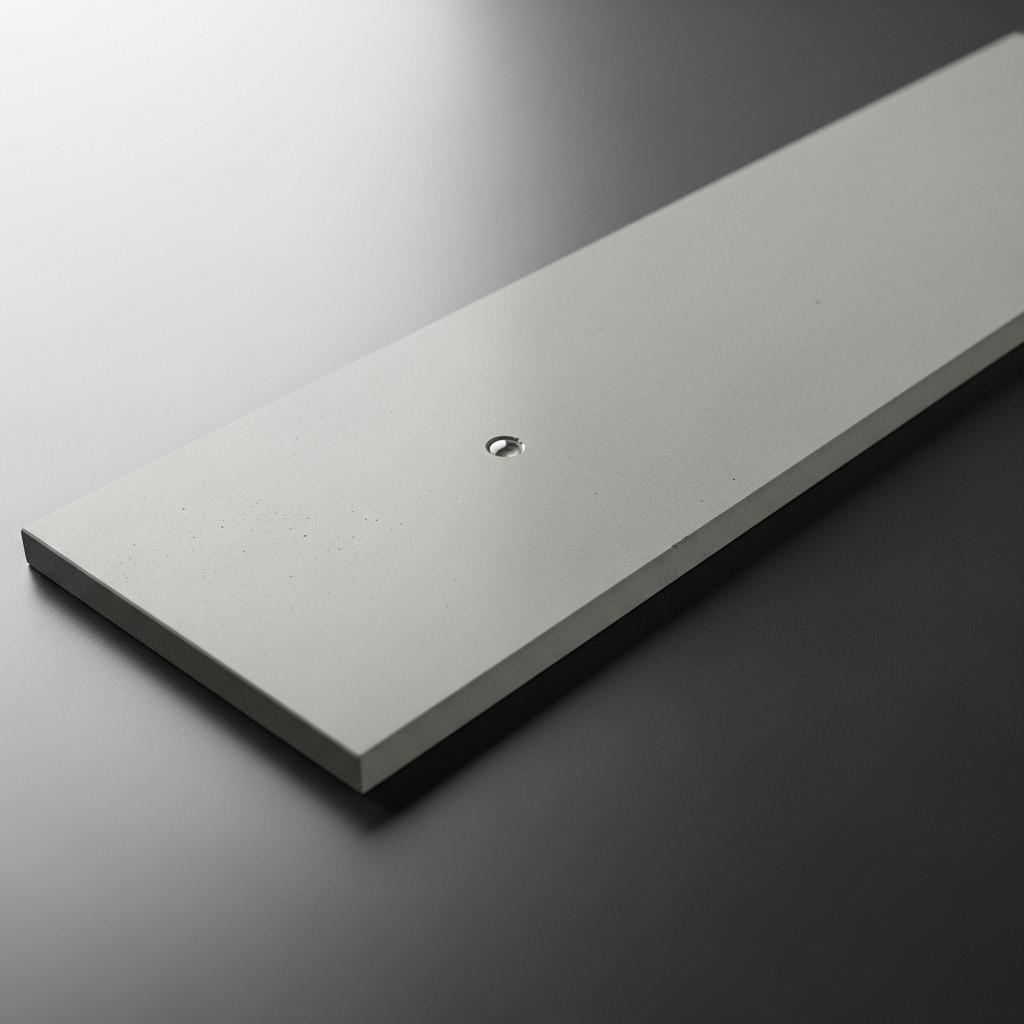
Regular Size
56 in × 120 in (engineered) or about 120 in × 72 in (natural stone), thickness 0.79 in (2 cm) or 1.18 in (3 cm).
Jumbo Size
63 in × 126 in (engineered jumbo) or 126 in × 78 in (natural-stone jumbo), thickness 0.79 in (2 cm) or 1.18 in (3 cm).
Super Size
78 in × 138 in (engineered super) or 138 in × 78 in (natural-stone super), thickness 0.79 in (2 cm) or 1.18 in (3 cm).
Super Jumbo
137.80 in × 78.74 in (engineered super jumbo) or 138 in × 78 in (natural-stone super), thickness 0.79 in (2 cm) or 1.18 in (3 cm).
Mini Slab
48 in × 96 in (engineered mini) or 96 in × 48 in (natural-stone mini), thickness 0.79 in (2 cm) or 1.18 in (3 cm).
Choosing the Right Slab Measurements
Choosing the right slab measurements is crucial for achieving the desired outcome in any project.
First, consider the project dimensions; for instance, a kitchen countertop typically requires slabs that are at least 2 cm thick, while larger surfaces like dining tables may need 3 cm thickness for added durability.
Next, the desired aesthetic plays a significant role; if a sleek, modern look is preferred, larger slabs with minimal seams are ideal, often measuring 120 cm x 300 cm, whereas a more traditional style may incorporate smaller, patterned slabs.
Budget constraints cannot be overlooked; high-quality materials can range from $50 to $200 per square foot, so it’s essential to balance quality with affordability.
Additionally, the fabricator’s expertise should guide your choices; some fabricators specialize in intricate designs and may recommend specific slab sizes that align with their capabilities.
Lastly, specific design requirements, such as the need for cutouts for sinks or appliances, will dictate the slab measurements; for example, a standard sink cutout may require a minimum of 60 cm in width, impacting the overall slab size needed. By carefully considering these factors, you can select the right slab measurements that meet both functional and aesthetic needs.
Slab Measurements: The Jumbo Advantage
Choosing the right slab measurements is crucial in construction and design, as it directly impacts both aesthetics and functionality. One significant advantage of opting for larger slabs, often referred to as “jumbo slabs,” is the reduction in the number of seams required in a project. For instance, a standard slab might measure 60 inches by 120 inches, while a jumbo slab can measure up to 126 inches by 80 inches or more. This increase in size not only enhances the visual appeal by providing a more seamless look but also simplifies installation, reducing labor costs and time.
Additionally, larger slabs can lead to improved durability and stability, as fewer joints mean fewer potential weak points where damage can occur. This is particularly beneficial in high-traffic areas or spaces that require a high level of hygiene, such as kitchens and bathrooms.
Furthermore, the versatility of jumbo slabs allows for creative design possibilities, enabling architects and designers to create expansive surfaces that can serve as focal points in any room. By choosing the right slab measurements, homeowners and builders can achieve a balance of beauty, practicality, and longevity in their projects, making it a wise investment in the long run.
Stone Slab Material: Expected Waste Range
When working with stone slab materials, it is essential to consider the expected waste range, which typically falls between 5% to 15% of the total material ordered. This waste can arise from various factors, including cutting, shaping, and installation processes.
For instance, during the fabrication of countertops, intricate cuts and patterns may lead to additional waste, particularly if the stone is brittle or has natural fissures.
It is advisable to account for this waste when estimating the quantity of stone needed for a project. For example, if a project requires 100 square feet of stone, ordering between 105 to 115 square feet can help ensure that there is enough material to complete the job without delays.
Additionally, the complexity of the design can influence the waste percentage; more complex designs may require a higher waste factor.
Proper planning and accurate measurements can minimize waste, but it is prudent to always include a buffer to accommodate unforeseen circumstances.
Stone Slab Material: Biggest Format Available
Stone slab material has gained immense popularity in recent years, particularly due to its versatility and aesthetic appeal. Among the various options available, the biggest format slabs stand out for their size and design potential. These large-format slabs can measure up to 10 feet by 5 feet or even larger, providing a seamless look that is highly sought after in modern architecture and interior design.
The advantages of using big format stone slabs are numerous. Firstly, their expansive surface area minimizes the number of seams required, resulting in a cleaner and more cohesive appearance. This is particularly beneficial in spaces like kitchens and bathrooms, where continuity is essential for visual impact. Additionally, the larger size allows for more creative design possibilities, enabling designers to utilize the natural patterns and colors of the stone to create stunning focal points.
Moreover, the durability of stone slabs is another significant factor contributing to their popularity. Materials such as granite, quartzite, and marble are not only visually striking but also resistant to scratches, heat, and stains when properly sealed. For instance, granite slabs can withstand temperatures of up to 1,200 degrees Fahrenheit, making them ideal for kitchen countertops.
In terms of installation, big format slabs can be more challenging to handle due to their weight and size. However, advancements in technology and techniques have made it easier for professionals to install these slabs with precision. The use of specialized equipment and adhesives ensures that the slabs are securely placed, maintaining their integrity over time.
Overall, the biggest format stone slabs offer a unique combination of beauty, durability, and design flexibility. As the demand for large-scale stone materials continues to rise, it is clear that these slabs will play a significant role in shaping the future of interior and exterior design. Their ability to transform spaces while providing practical benefits makes them a top choice for homeowners and designers alike.
Stone Slab Materials: Thickness for Busy Floors
Stone slab materials are increasingly popular for busy floors due to their durability and aesthetic appeal. When selecting stone slabs for high-traffic areas, thickness is a critical factor that can significantly influence the performance and longevity of the flooring. Typically, stone slabs come in various thicknesses, ranging from 1 cm to 3 cm, with 2 cm being the most common choice for residential and commercial applications.
A thickness of 2 cm is often recommended for busy floors because it strikes a balance between weight and strength. Thicker slabs, such as those measuring 3 cm, provide enhanced durability and resistance to cracking, making them ideal for areas subjected to heavy foot traffic, such as retail stores, airports, and restaurants. These thicker slabs can withstand the impact of dropped items and the wear and tear from constant movement, ensuring that the flooring maintains its integrity over time.
Moreover, the choice of thickness can also affect the installation process. Thicker slabs may require additional support and a more robust subfloor to accommodate their weight, which can increase installation costs. Conversely, thinner slabs are lighter and easier to handle, but they may not offer the same level of durability. For instance, a 1 cm thick slab might be suitable for low-traffic areas or as wall cladding, but it is generally not recommended for floors that experience heavy use.
In addition to thickness, the type of stone also plays a vital role in the performance of flooring materials. Granite, for example, is known for its hardness and resistance to scratching, making it an excellent choice for busy environments. On the other hand, softer stones like limestone may not hold up as well under heavy foot traffic, even if they are thicker. Therefore, when selecting stone slab materials for busy floors, it is essential to consider both the thickness and the type of stone to ensure that the flooring will meet the demands of the space.
Ultimately, investing in the right thickness of stone slabs can lead to long-term benefits, including reduced maintenance costs and a longer lifespan for the flooring. By choosing slabs that are appropriately thick for the intended use, property owners can enjoy the beauty of natural stone while ensuring that their floors remain functional and attractive for years to come.
Slab measurement guide for walls & decorative surfaces
A slab measurement guide for walls and decorative surfaces begins with accurate site dimensions and then converts those measurements into a panel plan that controls seams, pattern direction, and edge returns.
The goal is usually to keep the main viewing area as uninterrupted as possible, while placing joints where they are least noticeable—corners, shadow gaps, cabinet lines, or niche borders.
Thickness and weight are key measurement factors for vertical work; lighter panels are often preferred on walls, while thicker material may be reserved for exposed edges and prominent returns.
For example, a large wall can be divided into two or three major panels, aligning seams with architectural lines so the joints look planned and balanced rather than random.
A complete guide also includes allowances for joint gaps, silicone lines at corners, and precise cut-outs so the finished wall fits cleanly without on-site surprises.
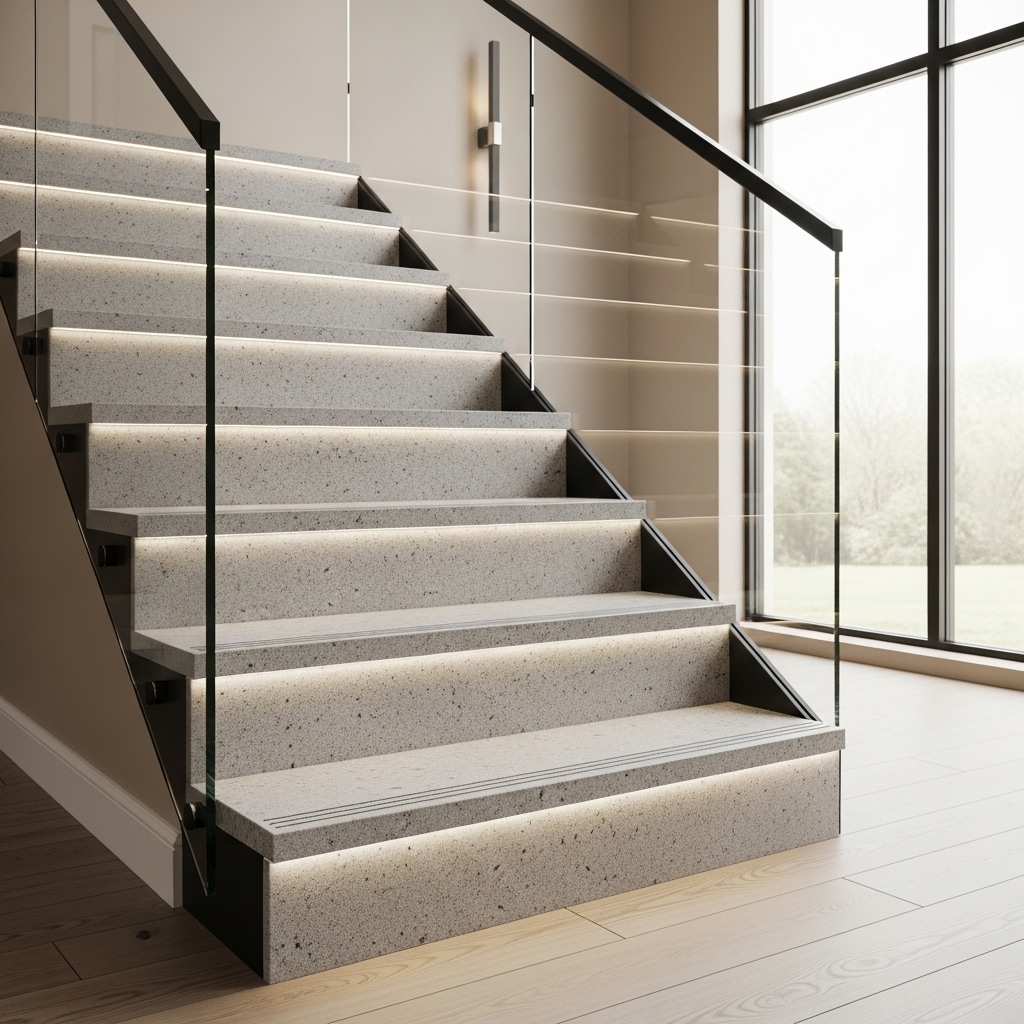
Slab measurement guide for stairs
A slab measurement guide for stairs explains the full workflow from site measurement to fabrication layout: capture stair geometry, choose slab format, map cuts, and finalize seam and edge details.
Start with tread depth, riser height, flight width, and landing dimensions, then note wall returns, open sides, and any areas where skirting or stringer cladding is required.
Slab format selection (standard, jumbo, extra-large) influences how many joints appear on landings and wide steps, so the guide typically prioritizes larger continuous pieces in the most visible zones.
For example, keeping the landing as one dominant panel and nesting tread cuts around it can reduce seams and improve visual continuity across the staircase.
Finalize the guide with thickness selection, step-nose detailing, and uniform joint gaps so the installation lines remain straight and the stair finish looks premium.
Across UAE stone projects, size of slab describes the full dimensions of a stone or engineered surface before cutting, which commonly ranges around 2800–3200 mm in length and 1400–1800 mm in width. Knowing this upfront helps with accurate templating, seam planning, and waste control. During granite selection, one of the most common questions remains what size do granite slabs come in, as this directly affects layout decisions.
Size of Slab Standards for Armani Gray Marble Installations
Size of slab standards for Armani Gray marble installations usually reference slabs around 3000 × 1500 mm, with jumbo options available for expansive layouts. These dimensions allow long counter runs, feature walls, and vanities to be fabricated with minimal seams. Using proper slab sizing with armani gray marble ensures its soft grey tones and subtle veining remain continuous and visually balanced throughout the space.
Size of Slab Reference for Raised Floor Applications
A size of slab reference is often used during early planning stages for raised floor applications. Slabs averaging around 3000 × 1500 mm are considered a practical baseline for most interior uses. Aligning these reference sizes with the raised floor grid improves accuracy, reduces waste, and supports efficient installation.