
Average Headstone Size
Average headstone size varies by cemetery rules, but common upright (lawn) memorial sizes are often around 24 in × 12 in (60.96 cm × 30.48 cm), 24 in × 16 in (60.96 cm × 40.64 cm), and 28 in × 16 in (71.12 cm × 40.64 cm) for a single marker, while companion uprights may be larger, such as 36 in × 16 in (91.44 cm × 40.64 cm) or 36 in × 18 in (91.44 cm × 45.72 cm). Flat markers (grass markers) are commonly around 24 in × 12 in (60.96 cm × 30.48 cm) for single and 36 in × 12 in (91.44 cm × 30.48 cm) for companion, depending on the cemetery. Typical granite headstone thicknesses are often 3 in (7.62 cm) or 4 in (10.16 cm) for upright stones, while flat markers are frequently about 2 in (5.08 cm) thick—always subject to the cemetery’s allowed maximum/minimum.
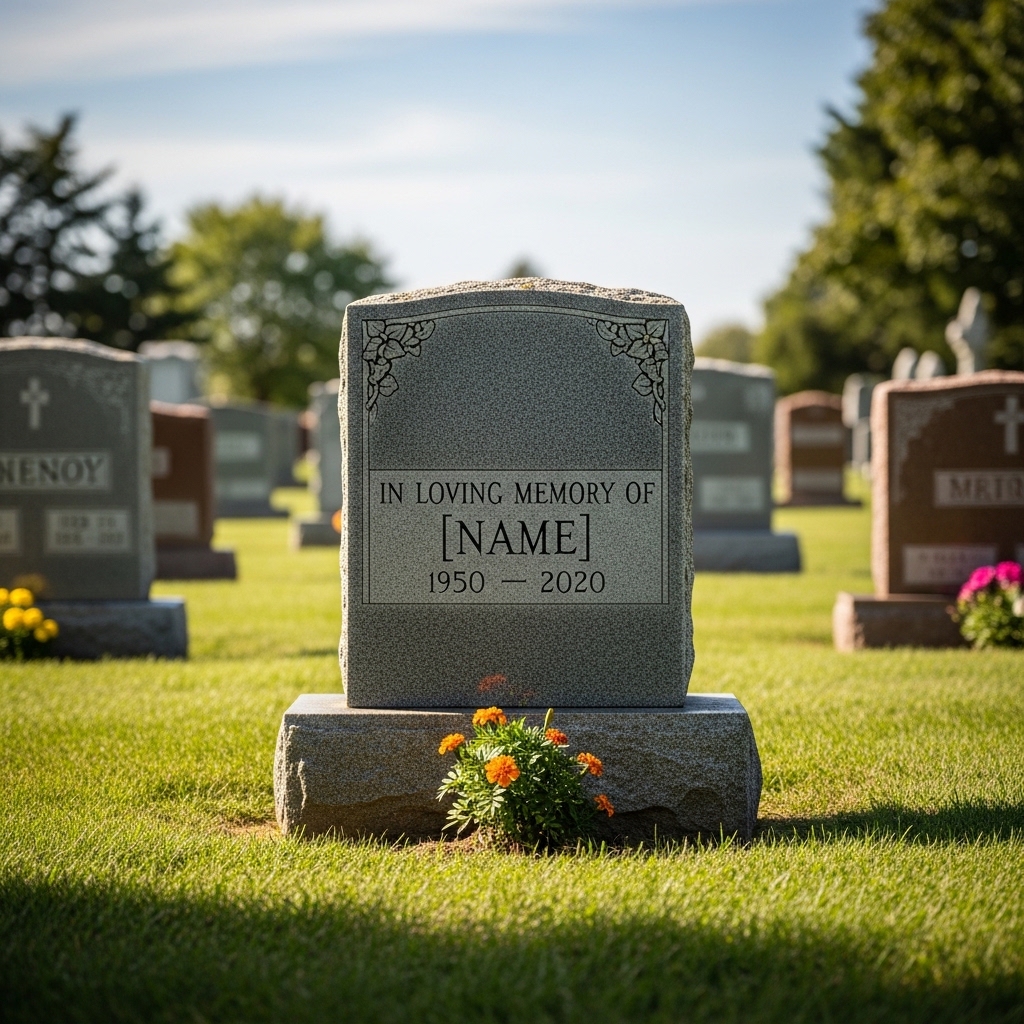
Regular Size
24 in × 12–16 in (upright face), thickness 3–4 in.
Jumbo Size
36 in × 18 in (companion upright face), thickness 3–4 in.
Super Size
36 in × 18 in (companion upright face), thickness 3–4 in.
Super Jumbo
36 in × 18 in (companion upright face), thickness 3–4 in.
Mini Slab
24 in × 12 in (upright face), thickness 3–4 in.
Choosing Typical Headstone Dimensions
When choosing typical headstone dimensions, it is essential to consider project dimensions, desired aesthetic, budget constraints, fabricator’s expertise, and specific design requirements.
The standard dimensions for headstones typically range from 24 to 36 inches in height and 12 to 24 inches in width, but custom sizes can be created based on individual needs.
A desired aesthetic may influence the choice of a more elaborate design, which could require larger dimensions to accommodate intricate carvings or inscriptions.
Budget constraints play a significant role, as larger headstones or those made from premium materials like granite can significantly increase costs, often ranging from $1,000 to $3,000 or more.
It is also crucial to consider the fabricator’s expertise; some may specialize in specific styles or materials, which can affect the final dimensions and overall design.
Lastly, specific design requirements, such as the inclusion of symbols or personalized engravings, may necessitate adjustments in size to ensure that all elements fit harmoniously within the chosen dimensions.
Headstone Dimensions: Bigger Format Benefits
Choosing typical headstone dimensions offers several advantages that can enhance the memorial experience.
Standard sizes, such as 24 inches by 12 inches for a flat marker or 36 inches by 12 inches for an upright stone, ensure that the headstone fits well within the cemetery regulations, making the installation process smoother.
Additionally, typical dimensions often come at a lower cost due to mass production, allowing families to allocate more resources toward personalization, such as engraving meaningful quotes or symbols.
On the other hand, opting for bigger format headstones, like those measuring 48 inches by 24 inches, provides a more prominent presence in the cemetery, allowing for more intricate designs and additional space for inscriptions.
Larger headstones can also serve as a focal point for family gatherings, creating a lasting legacy that stands out.
Ultimately, the choice between typical and larger dimensions depends on personal preferences, budget considerations, and the desired impact of the memorial.
Headstone Material: Common Waste Allowance
When selecting headstone material, understanding the common waste allowance is crucial for ensuring that the final product meets both aesthetic and structural requirements. Typically, the common waste allowance for headstone materials such as granite, marble, or bronze ranges from 5% to 15%, depending on the complexity of the design and the intricacies involved in the carving process. For instance, if a granite slab is purchased for a headstone that measures 3 feet by 2 feet, with a total area of 6 square feet, a waste allowance of 10% would mean an additional 0.6 square feet of material should be accounted for, leading to a total purchase of approximately 6.6 square feet. This allowance helps to cover any mistakes during cutting or engraving, ensuring that the final product is not only visually appealing but also durable. Additionally, it is essential to consider the type of finish required, as polished surfaces may require more careful handling and thus a higher waste allowance. By planning for these factors, families can ensure that their chosen headstone material is both cost-effective and of high quality, ultimately honoring the memory of their loved ones with a fitting tribute.
Headstone Materials: Largest Standard Format
When selecting headstone materials, one of the most significant considerations is the size and format of the stone. The largest standard format for headstones typically measures around 42 inches in width and 36 inches in height, although variations exist depending on cemetery regulations and personal preferences.
The most common materials used for headstones include granite, marble, and bronze. Granite is favored for its durability and resistance to weathering, making it an ideal choice for outdoor memorials. It comes in a variety of colors, with some of the most popular being black, gray, and pink. The thickness of granite headstones usually ranges from 4 to 6 inches, providing a sturdy structure that can withstand the test of time.
Marble, while elegant and classic, is less durable than granite and is more susceptible to erosion from environmental factors. It is often chosen for its aesthetic appeal, with its unique veining patterns and polished finish. Marble headstones can also be larger, with some reaching dimensions of 48 inches wide and 30 inches tall, allowing for more intricate designs and engravings.
Bronze is another material used for headstones, often in combination with granite or marble. Bronze plaques can be affixed to stone bases, offering a different texture and appearance. These plaques are typically cast in a standard size of 24 inches by 12 inches, providing ample space for inscriptions while maintaining a sleek profile.
In addition to the material and size, the design of the headstone plays a crucial role in its overall impact. Custom engravings, images, and symbols can be added to reflect the personality and life of the deceased. The combination of size, material, and design ultimately creates a lasting tribute that honors the memory of loved ones.
Headstone Materials: Thickness for High-Traffic Areas
When selecting headstone materials for high-traffic areas, it is crucial to consider the thickness of the stone to ensure durability and longevity. Granite is one of the most popular choices due to its strength and resistance to weathering. Typically, a thickness of at least 4 inches is recommended for granite headstones in areas that experience heavy foot traffic. This thickness provides adequate support and minimizes the risk of cracking or chipping over time.
Another material often used is marble, which, while aesthetically pleasing, is generally softer than granite. For high-traffic areas, a minimum thickness of 3 inches is advisable for marble headstones. However, it is important to note that marble may require more maintenance due to its susceptibility to staining and erosion from environmental factors.
In addition to granite and marble, bronze is another option, often used for plaques or markers. While bronze does not require the same thickness considerations as stone, it is essential to ensure that the mounting base is sturdy and well-anchored to withstand the wear and tear of foot traffic. A thickness of at least 1/4 inch is common for bronze plaques, but the overall installation must be secure to prevent shifting or damage.
Ultimately, the choice of material and thickness should be guided by the specific conditions of the site, including soil stability, climate, and the expected level of foot traffic. Investing in thicker, more durable materials can significantly enhance the lifespan of a headstone, ensuring that it remains a lasting tribute in high-traffic areas.
Average headstone dimension guide for walls & decorative surfaces
An average headstone dimension guide focuses on how memorial stones are commonly proportioned and how design choices (shape, thickness, base) affect readability and durability in outdoor conditions.
Many headstones are produced in typical sizes such as around 600–900 mm in height and 450–750 mm in width (illustrative ranges), with thickness often chosen for stability and long-term resistance to weathering.
For example, a simple upright marker might use a balanced rectangular proportion for legibility, while a larger memorial may add a base plinth to increase presence and support the main tablet.
Material selection also influences dimensions, because granite is commonly chosen for durability and crisp engraving, while other stones may require different thickness choices for strength.
Even when used as a decorative element conceptually, a headstone-style stone format is typically planned with smooth finishes for inscription areas and carefully finished edges to reduce chipping risk.
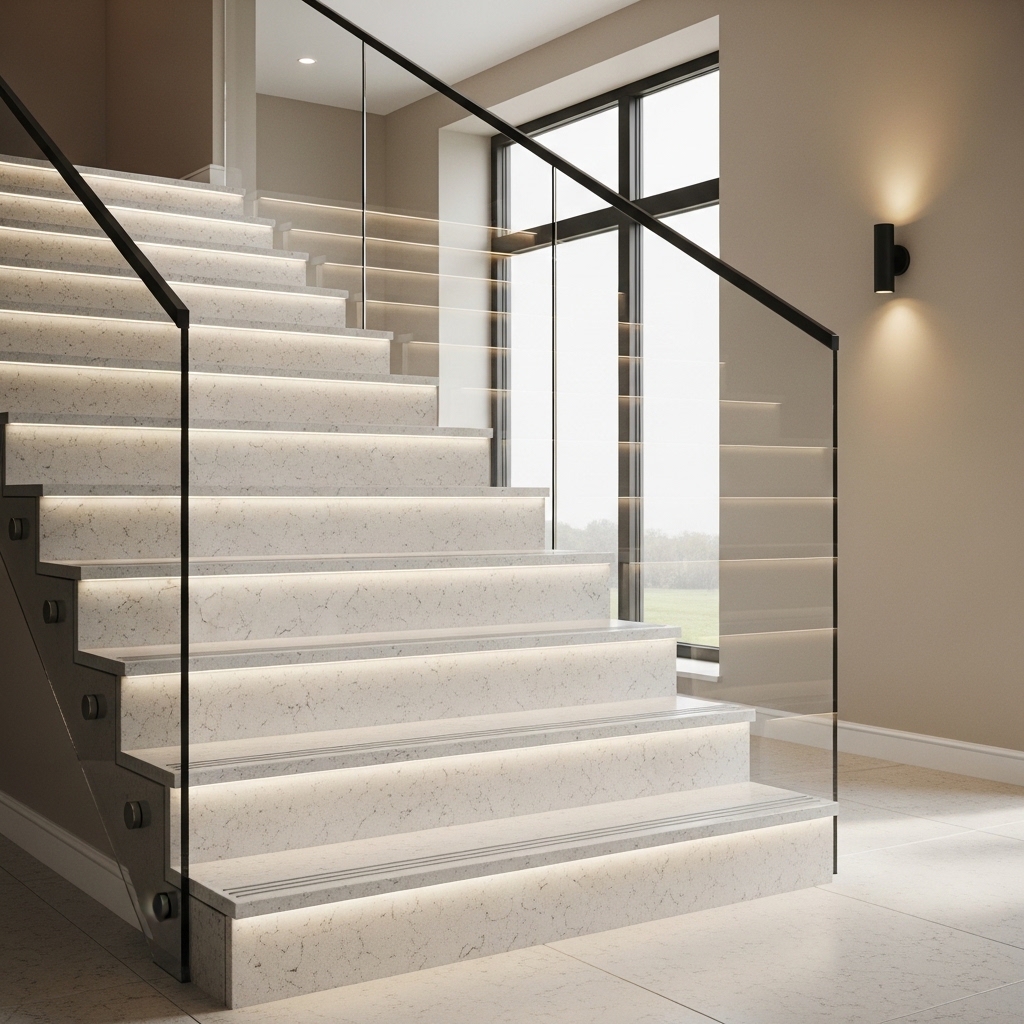
Average headstone dimension guide for stairs
An average headstone dimension guide in a stair context is generally relevant when headstone-like stone elements are used decoratively—such as memorial-style markers in landscape stairways or feature stones adjacent to steps.
Typical dimension ranges often fall around 600–900 mm in height and 450–750 mm in width (illustrative examples), with thickness chosen for stability and to support engraving or surface detailing.
For example, a simple upright marker might use a balanced rectangular proportion for legibility, while a larger memorial element may incorporate a base plinth for additional presence and stability near a stair approach.
Material choice affects finishing expectations: granite is common for crisp lettering and weather resistance, while softer stones may require more conservative thickness and edge detailing.
If the element sits near stairs, planning also considers safe placement, clean edge finishing, and stable support so it remains durable and visually aligned with surrounding stonework.
Average headstone size in the UAE generally falls within ranges such as 600–900 mm in height and 450–750 mm in width, depending on design and cemetery guidelines. These dimensions prioritize readability and proportion rather than surface coverage. In contrast, interior design discussions more often revolve around the standard kitchen counter size used in homes and commercial kitchens.
Average Headstone Size Reference for Travertine Stone Memorial Works
An average headstone size reference for travertine stone memorial works commonly includes heights between 600–900 mm and widths around 450–750 mm, depending on design and site guidelines. Thickness is typically kept moderate to balance strength and engraving clarity. Using travertine stone in these proportions ensures durability while maintaining a dignified, well-proportioned appearance.
Average Headstone Size Reference for Raised Floor Planning
Average headstone size references can be useful when comparing stone proportions for architectural elements near a raised floor. Typical headstone sizes range from 600 to 900 mm in height and 500 to 750 mm in width, providing a scale reference that helps maintain proportional harmony in surrounding stone applications.