
Granite Slabs Size Guide
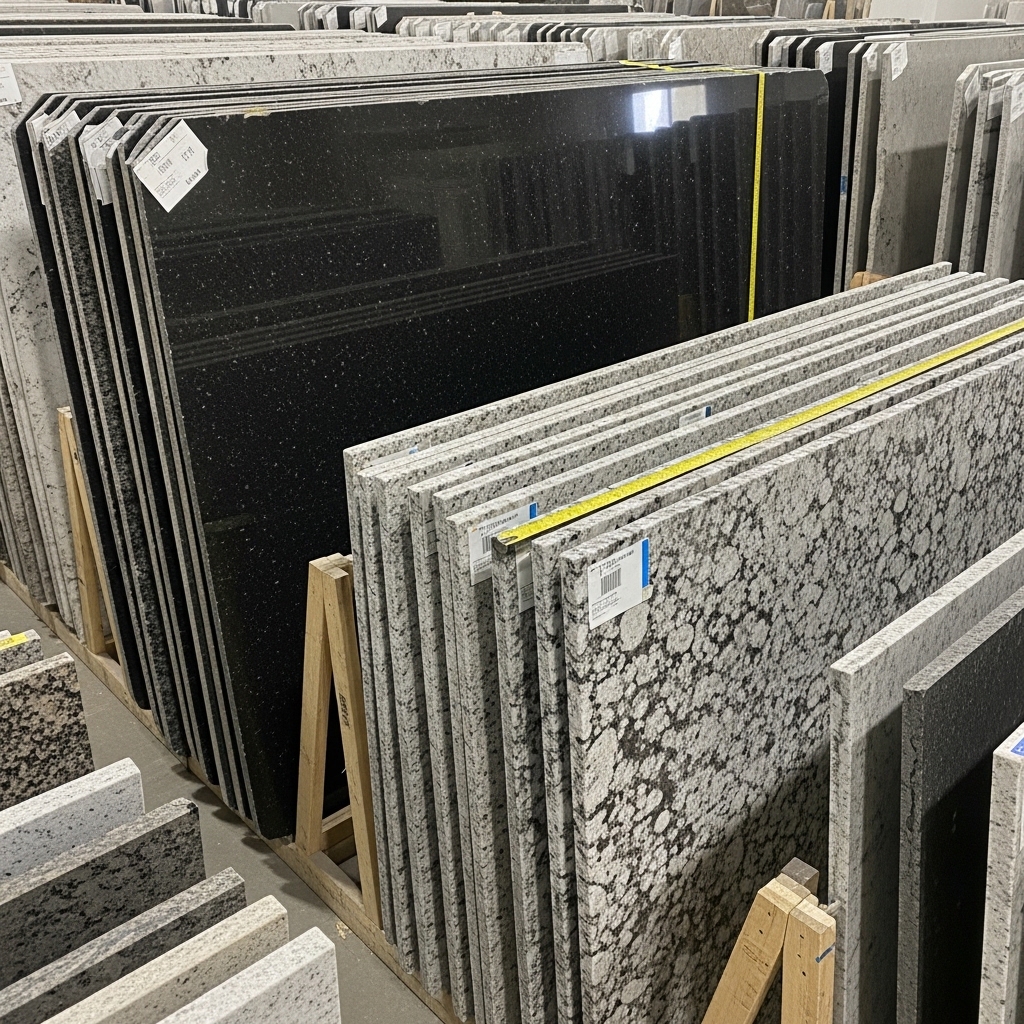
Granite slabs size (in practical supplier terms) is usually offered in ranges rather than one fixed number, with many countertop slabs commonly landing around 108–120 in long × 60–72 in wide (274.32–304.80 cm × 152.40–182.88 cm). Larger, wider slabs can be around 126 in × 78 in (320.04 cm × 198.12 cm) when the quarry yields bigger cuts, and smaller half-slabs may be near 96 in × 48 in (243.84 cm × 121.92 cm) for smaller rooms or projects. Standard granite slab thickness is most often 2 cm (0.79 in / 20 mm) and 3 cm (1.18 in / 30 mm), with 1.5 cm (0.59 in / 15 mm) also appearing for cladding, backsplashes, or lighter designs.
Regular Size
108–120 in × 60–72 in, thickness 0.79 in (2 cm) or 1.18 in (3 cm).
Jumbo Size
126 in × 78 in, thickness 0.79 in (2 cm) or 1.18 in (3 cm).
Super Size
138 in × 78 in, thickness 0.79 in (2 cm) or 1.18 in (3 cm).
Super Jumbo
138 in × 78 in, thickness 0.79 in (2 cm) or 1.18 in (3 cm).
Mini Slab
96 in × 48 in, thickness 0.79 in (2 cm) or 1.18 in (3 cm).
Choosing the Best Granite Slab Dimensions
When choosing the best granite slab dimensions for your project, it is essential to consider various factors that align with your specific needs.
First, assess the project dimensions; for instance, a kitchen countertop typically requires slabs that are at least 2 cm to 3 cm thick, with standard sizes ranging from 96 inches by 26 inches to 120 inches by 30 inches.
Next, think about the desired aesthetic; larger slabs can create a seamless look, ideal for expansive surfaces, while smaller pieces may be suitable for intricate designs or smaller spaces.
Budget constraints also play a crucial role; larger slabs often come at a premium, with costs ranging from $40 to $200 per square foot, depending on the quality and rarity of the granite.
Additionally, consider the fabricator’s expertise; some may specialize in larger installations, while others excel in detailed work, which can influence the choice of dimensions.
Lastly, specific design requirements, such as the need for cutouts for sinks or appliances, may dictate the dimensions of the slabs you choose, ensuring that they fit perfectly within your overall design scheme.
Granite Slab Dimensions: Jumbo Upsides
Choosing the best granite slab dimensions can significantly enhance both the aesthetic appeal and functionality of your space. One of the primary advantages of opting for larger, jumbo-sized slabs, typically measuring around 126″ x 76″, is the reduction in seams, which not only creates a more seamless and elegant look but also minimizes potential weak points where moisture can accumulate. This is particularly beneficial in high-traffic areas like kitchens and bathrooms, where durability is paramount. Additionally, larger slabs allow for more creative design possibilities, enabling homeowners and designers to achieve expansive, uninterrupted surfaces that can serve as stunning focal points. The versatility of granite also means that it can be cut to fit various applications, from countertops to backsplashes, ensuring that every inch is utilized effectively. Furthermore, selecting the right dimensions can lead to cost savings, as fewer slabs may be required for larger projects, reducing both material and installation expenses. Ultimately, investing in the best granite slab dimensions not only elevates the overall design but also enhances the longevity and practicality of the surfaces in your home.
Granite Slab Material: Common Offcut Range
Granite slabs are a popular choice for countertops, flooring, and various architectural applications due to their durability and aesthetic appeal. When it comes to granite, the common offcut range typically varies between 10% to 20% of the total slab size, depending on the complexity of the project and the cutting process. For instance, if a homeowner orders a 3-meter by 1.5-meter slab, the offcut could range from 0.45 to 0.9 square meters, which can often be repurposed for smaller projects like backsplashes or decorative elements.
It is essential to consider the thickness of the granite, which usually ranges from 2 cm to 3 cm, as this can affect the weight and handling of the material. Additionally, the color and pattern of the granite can influence the offcut value; unique or rare patterns may command a higher price, making even the offcuts valuable.
When selecting granite, it is advisable to work closely with suppliers to understand the potential offcut options available, as they can provide insights into how to maximize the use of the material while minimizing waste. Proper planning and measurement can lead to a more efficient use of granite slabs, ensuring that both the primary installation and any offcuts are utilized effectively.
Granite Slab Material: Biggest Format Options
Granite slab material is renowned for its durability and aesthetic appeal, making it a popular choice for various applications, particularly in countertops, flooring, and wall cladding. One of the most significant advantages of granite slabs is their availability in large formats, which can dramatically enhance the visual impact of a space.
The biggest format options for granite slabs typically range from 120 inches by 70 inches to even larger dimensions, with some manufacturers offering slabs that can exceed 130 inches in length. These expansive sizes minimize the number of seams required in installations, providing a more seamless and cohesive look. For instance, a single slab measuring 126 inches by 63 inches can cover a substantial area, making it ideal for expansive kitchen islands or large bathroom vanities.
In addition to their size, granite slabs come in a variety of thicknesses, commonly ranging from 2 cm to 3 cm. Thicker slabs not only offer enhanced durability but also provide a more substantial appearance, which can be particularly appealing in high-end residential and commercial projects. The choice of thickness can also influence the overall weight of the slab, with a 3 cm thick slab weighing approximately 15-20% more than its 2 cm counterpart, necessitating careful consideration during installation.
The aesthetic versatility of granite slabs is another compelling factor. With a wide array of colors and patterns available, from classic whites and blacks to vibrant blues and greens, designers and homeowners can find the perfect match for their style. Large-format granite slabs can showcase intricate veining and unique patterns, which can be a focal point in any room. For example, a large slab with dramatic veining can serve as a stunning backdrop in a modern kitchen, drawing attention and admiration.
Furthermore, the trend towards larger format slabs is driven by advancements in quarrying and fabrication technologies, allowing for the extraction and processing of larger pieces of stone. This evolution not only enhances the aesthetic appeal but also aligns with contemporary design trends that favor minimalism and clean lines. As a result, granite slabs in larger formats are becoming increasingly sought after in both residential and commercial settings, offering a blend of beauty, functionality, and modernity that is hard to match.
Granite Slab Material: High-Traffic Thickness Guide
Granite slabs are a popular choice for various applications, particularly in high-traffic areas due to their durability and aesthetic appeal. When selecting granite slabs for such environments, it is crucial to consider the thickness of the material, as it directly impacts the slab’s strength and longevity.
Typically, granite slabs come in thicknesses of 2 cm (approximately ¾ inch) and 3 cm (approximately 1¼ inch). For high-traffic areas, such as commercial spaces or busy kitchens, a thickness of 3 cm is often recommended. This added thickness not only enhances the slab’s resistance to chipping and cracking but also provides a more substantial feel, which can be aesthetically pleasing in larger installations.
In high-traffic settings, the potential for wear and tear is significantly increased. A thicker granite slab can better withstand the daily stresses of foot traffic, heavy equipment, and accidental impacts. For instance, a 3 cm slab can support more weight without bending or breaking compared to a 2 cm slab, making it a more reliable choice for countertops, flooring, and other surfaces that experience frequent use.
Moreover, the installation process for thicker granite slabs may require additional considerations. The weight of a 3 cm slab is considerably greater than that of a 2 cm slab, necessitating a sturdy base and proper support structures to ensure stability. This is particularly important in commercial settings where the load-bearing capacity of the underlying framework must be assessed to prevent any structural issues over time.
In terms of cost, thicker granite slabs generally come at a premium due to the increased material usage and the complexity of handling and installation. However, the investment can be justified by the enhanced durability and lower maintenance needs over the lifespan of the product. For example, while a 2 cm slab might cost around $50 per square foot, a 3 cm slab could range from $70 to $100 per square foot, depending on the quality and finish.
Ultimately, when choosing granite slabs for high-traffic areas, opting for a thickness of 3 cm is advisable for those seeking durability and longevity. The initial investment can lead to significant savings in maintenance and replacement costs in the long run, making it a wise choice for both residential and commercial applications.
Granite slab dimension options for walls & decorative surfaces
Granite slab dimension options for wall projects typically vary by quarry yield, stone type, and the slab batch, so flexibility in panel planning is key.
Many suppliers provide slabs in broad ranges (often around 2400–3300 mm long and 1400–2000 mm wide as typical examples), and those slabs can be cut into fewer large panels or many repeatable modules.
Thickness options commonly include 10 mm, 20 mm, and sometimes 30 mm, with thinner choices often preferred for vertical cladding and thicker choices used for bold edges, returns, or framed details.
For example, a feature wall may use two large panels for a minimal-joint look, while a commercial lobby might choose modular panels for easier handling and consistent joint rhythm.
Selecting the best option usually depends on access, lifting limits, and whether the design needs monolithic impact or a structured panel grid.
Granite slab dimension options for stairs
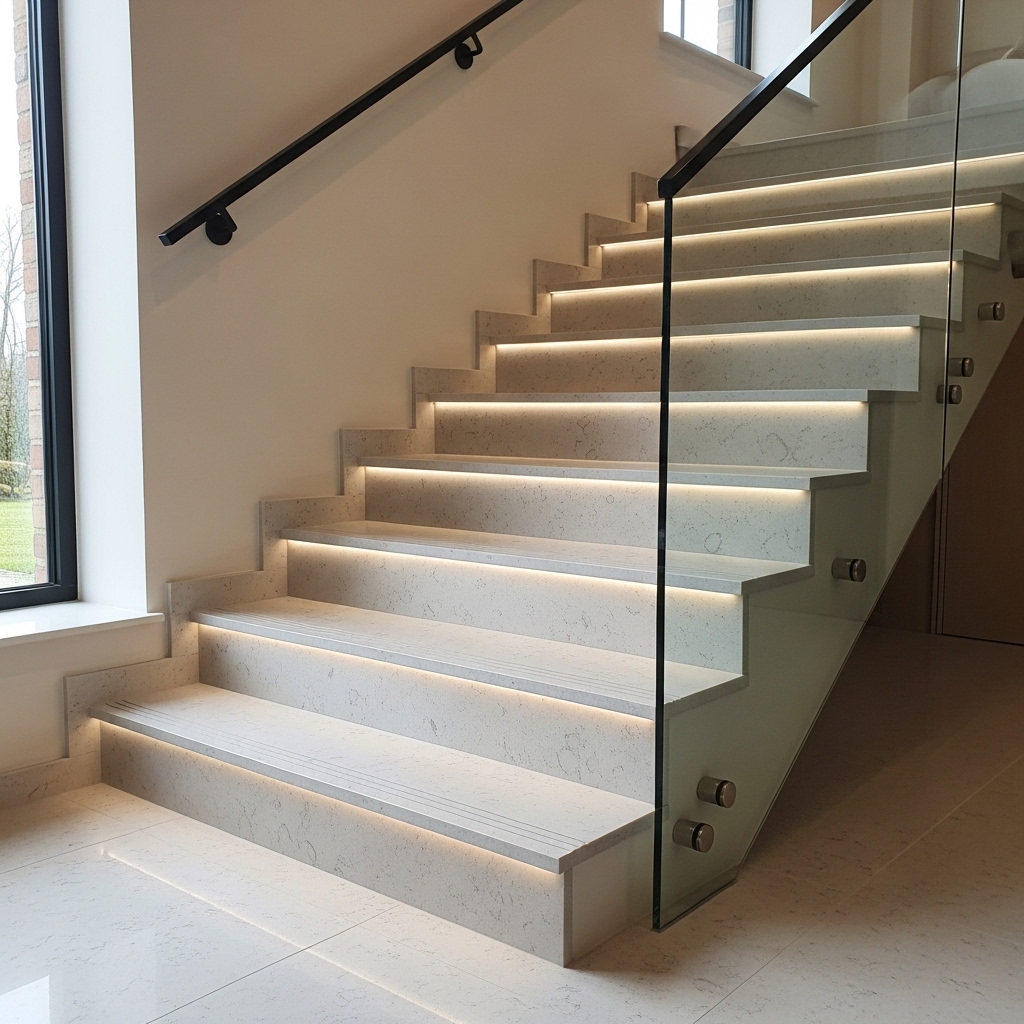
Granite slab dimension options for stairs typically vary in both slab size range and thickness, giving designers flexibility to achieve either a monolithic look or a more modular approach depending on handling limits.
Many granite slabs are available within ranges such as 2400–3300 mm long and 1400–2000 mm wide (typical examples), and those ranges allow multiple tread cuts with consistent tone when sourced from the same batch.
Thickness options commonly include 20 mm and 30 mm for treads, and heavier visual edges can be achieved by selecting thicker pieces or using design detailing that emphasizes the step nose.
For example, a wider landing may drive the choice toward larger slabs to reduce seams, while a tight access route may favor smaller, more manageable modules cut from the same slab bundle.
Selecting the right option also depends on the desired edge profile and whether skirting and stringer cladding will be fabricated from the same granite for a unified finish.
Granite slabs size in the UAE can vary noticeably by quarry and shipment, but many stocked slabs measure roughly 3000 × 1600 mm, providing good coverage for standard kitchens and medium-sized islands. Natural variation in stone means individual slabs should always be checked before templating. For planning purposes, these dimensions are often compared with the standard stone slab size used across different materials.
Granite Slabs Size for Omani Beige Marble Design Matching
Granite slabs size for Omani Beige marble design matching generally includes slabs around 2800–3000 mm in length and 1400–1600 mm in width. These proportions make it easier to coordinate granite counters with lighter-toned stone surfaces. Pairing granite slab dimensions thoughtfully with omani beige marble allows designers to maintain color balance and proportional consistency across kitchens and adjoining spaces.
Granite Slabs Size Standards for Raised Floor Work
Granite slabs size standards play a key role in raised floor work where precision is critical. Standard slab sizes generally fall between 2900–3100 mm in length, making them compatible with most access floor systems. When paired with a raised floor, these standards help reduce on-site adjustments and maintain clean detailing.