
Granite Tiles Size Guide
Granite tiles size is commonly supplied in modular formats for floors and walls, with popular sizes including 12 in × 12 in (30.48 cm × 30.48 cm), 18 in × 18 in (45.72 cm × 45.72 cm), and 24 in × 24 in (60.96 cm × 60.96 cm), plus smaller pieces such as 6 in × 6 in (15.24 cm × 15.24 cm) for accents. Some designs also use rectangular tiles like 12 in × 24 in (30.48 cm × 60.96 cm) for a more modern layout. Typical granite tile thicknesses are often 3/8 in (0.95 cm), 1/2 in (1.27 cm), and 3/4 in (1.905 cm), while some heavy-duty or outdoor applications may use around 20 mm (2.0 cm / 0.79 in) thickness for extra strength.
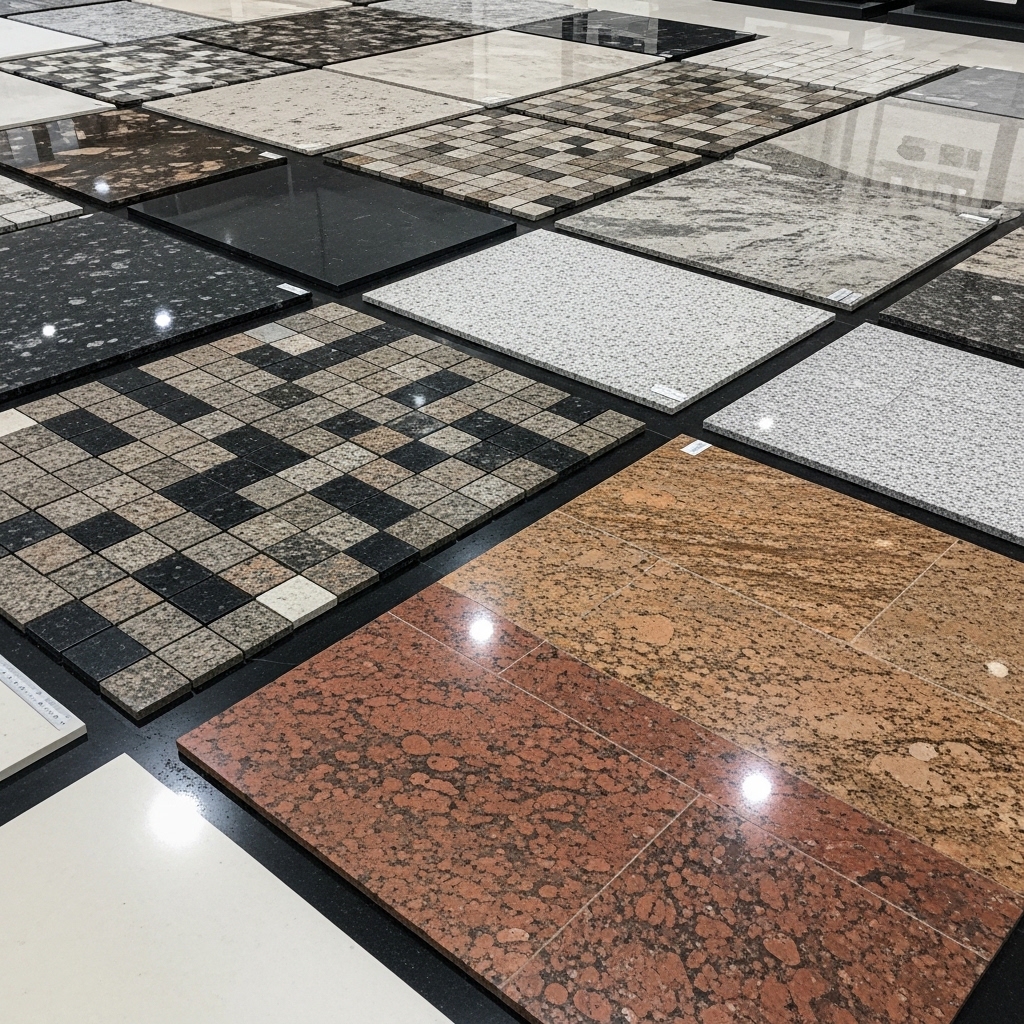
Regular Size
12 in × 12 in, 12 in × 24 in, 18 in × 18 in, or 24 in × 24 in, thickness 0.38 in or 0.50 in (common).
Jumbo Size
24 in × 24 in (common jumbo tile), thickness 0.50–0.75 in.
Super Size
24 in × 24 in (common large tile), thickness 0.50–0.75 in.
Super Jumbo
24 in × 24 in (common large tile), thickness 0.50–0.75 in.
Mini Slab
12 in × 12 in or 12 in × 24 in, thickness 0.38–0.50 in (common).
Granite Tile Measurements Guide
When selecting granite tiles for a project, it is essential to consider various measurements and factors that will influence the final outcome.
First, assess the project dimensions, as the size of the area to be covered will dictate the quantity and size of tiles needed. For instance, a bathroom floor measuring 100 square feet may require approximately 25 tiles of 24″x24″ size, accounting for cuts and waste.
Next, the desired aesthetic plays a crucial role; whether aiming for a modern look with large format tiles or a classic feel with smaller, intricate designs, the choice of tile size and finish will impact the overall appearance.
Budget constraints are another critical factor; granite tiles can range from $3 to $15 per square foot, so it’s vital to balance quality with affordability.
Additionally, the fabricator’s expertise should not be overlooked, as their skill level can affect the precision of cuts and installation, which is particularly important for complex layouts or custom designs.
Lastly, specific design requirements, such as patterns or textures, may necessitate custom cuts or unique tile sizes, which can further influence measurements and costs. By carefully considering these elements, one can ensure a successful granite tile installation that meets both aesthetic and functional needs.
Granite Tile Measurements: Large-Format Upsides
Granite tile measurements offer several advantages, particularly when it comes to large-format tiles, which can significantly enhance the aesthetic appeal and functionality of a space.
One of the primary benefits is the reduction in grout lines; larger tiles, often measuring 12×24 inches or even 24×48 inches, minimize the number of seams, creating a more seamless and visually appealing surface.
This not only enhances the overall look but also makes cleaning easier, as there are fewer grout lines to maintain. Additionally, granite tiles are known for their durability and resistance to scratches, heat, and stains, making them an ideal choice for high-traffic areas such as kitchens and entryways.
The weight of large-format granite tiles, typically around 10-15 pounds per square foot, requires careful measurement and installation, but the end result is a stunning, long-lasting surface that can elevate any room.
Furthermore, the versatility of granite allows for a wide range of colors and patterns, enabling homeowners to customize their spaces according to personal taste while enjoying the benefits of a robust and timeless material.
Granite Tile Material: General Waste Range
Granite tile is a popular choice for both residential and commercial spaces due to its durability and aesthetic appeal.
The general waste range for granite tile material typically includes off-cuts, broken tiles, and dust generated during the cutting and installation processes.
It is estimated that around 10-15% of granite tiles can become waste during installation, depending on the complexity of the project and the skill of the installers.
Proper waste management is crucial, as granite is a natural stone that can contribute to environmental concerns if not disposed of correctly.
Many companies are now adopting recycling practices, where broken tiles can be crushed and repurposed for use in landscaping or as aggregate in construction.
Additionally, it is essential to educate installers and contractors about minimizing waste through careful planning and precise cutting techniques, which can significantly reduce the amount of granite that ends up as waste.
By implementing these strategies, the granite tile industry can move towards more sustainable practices while still providing high-quality materials for consumers.
Granite Tile Material: Largest Format Options
Granite tile is a popular choice for both residential and commercial spaces due to its durability, aesthetic appeal, and versatility. One of the most significant trends in granite tile is the availability of large format options. These larger tiles, often measuring 24×24 inches or even 48×48 inches, can create a seamless look that enhances the overall design of a space. The larger size reduces the number of grout lines, which not only makes for a cleaner appearance but also simplifies maintenance.
When considering large format granite tiles, it’s essential to understand the benefits they offer. For instance, larger tiles can make a room appear more spacious, as they create fewer interruptions in the visual flow of the flooring. This is particularly advantageous in smaller areas where traditional smaller tiles might make the space feel cluttered. Additionally, large format tiles can be used on walls, providing a dramatic backdrop that can elevate the design of kitchens, bathrooms, and living areas.
Installation of large format granite tiles does require careful planning and expertise. Due to their weight and size, these tiles often necessitate a more robust substrate and precise leveling. It is recommended to use a professional installer who is experienced with large format materials to ensure that the tiles are laid correctly and securely. The installation process may also involve specialized tools and techniques, such as the use of a wet saw for cutting and a leveling system to maintain even spacing.
In terms of color and pattern, large format granite tiles come in a wide variety of options, ranging from classic whites and blacks to vibrant blues and greens. Some tiles even feature intricate veining and patterns that can serve as a focal point in a room. For example, a large slab of granite with striking white and gray veining can become a stunning centerpiece in a modern kitchen or bathroom.
Overall, the trend towards larger format granite tiles reflects a growing desire for both functionality and style in interior design. With their ability to create a cohesive look and enhance the perception of space, these tiles are an excellent choice for anyone looking to invest in a durable and visually appealing flooring solution. As the market continues to evolve, we can expect to see even more innovative designs and applications for large format granite tiles in the future.
Granite Tile Material: Thickness for Busy Areas
Granite tile is a popular choice for flooring in busy areas due to its durability and aesthetic appeal. Thickness plays a crucial role in determining the tile’s performance, especially in high-traffic zones such as entryways, kitchens, and commercial spaces. Typically, granite tiles come in various thicknesses, with the most common being 1/4 inch (6 mm), 3/8 inch (10 mm), and 1/2 inch (12 mm).
For busy areas, it is advisable to opt for thicker tiles, such as the 3/8 inch or 1/2 inch options. These thicker tiles provide enhanced strength and resistance to cracking or chipping, which is essential in environments where heavy foot traffic or the movement of furniture occurs.
Moreover, thicker granite tiles can better withstand the impact of dropped objects, making them ideal for kitchens or commercial settings where accidents are more likely to happen. The added weight of thicker tiles also contributes to their stability, reducing the likelihood of shifting or loosening over time.
In addition to durability, the thickness of granite tiles can also influence installation methods. Thicker tiles may require a more robust substrate and additional support during installation, which can add to the overall cost. However, the long-term benefits of investing in thicker granite tiles for busy areas often outweigh the initial expenses, as they can last for decades with proper care.
Ultimately, when selecting granite tiles for high-traffic areas, it is essential to consider both the thickness and the specific demands of the space. Choosing the right thickness not only enhances the tile’s performance but also contributes to the overall aesthetic and functionality of the area, ensuring that it remains beautiful and resilient for years to come.
Granite tile measurement guide for walls & decorative surfaces
A granite tile measurement guide for walls and decorative surfaces focuses on tile module selection, grout planning, and layout alignment so the finished elevation looks balanced and professional.
Granite tiles are often used when site access makes slabs difficult, or when a structured grid is preferred; common modules include examples like 600 × 600 mm or 300 × 600 mm depending on the design style.
Grout width selection is a key measurement factor—tighter grout lines create a more refined look, while slightly wider joints can help manage minor wall irregularities and make alignment easier on large areas.
For example, using larger tiles reduces the number of grout lines and can create a more “slab-like” appearance, especially on feature walls and decorative niches.
Measurement planning also includes corner treatment, trims, and consistent starting lines so tile cuts at edges look symmetrical rather than thin and uneven.
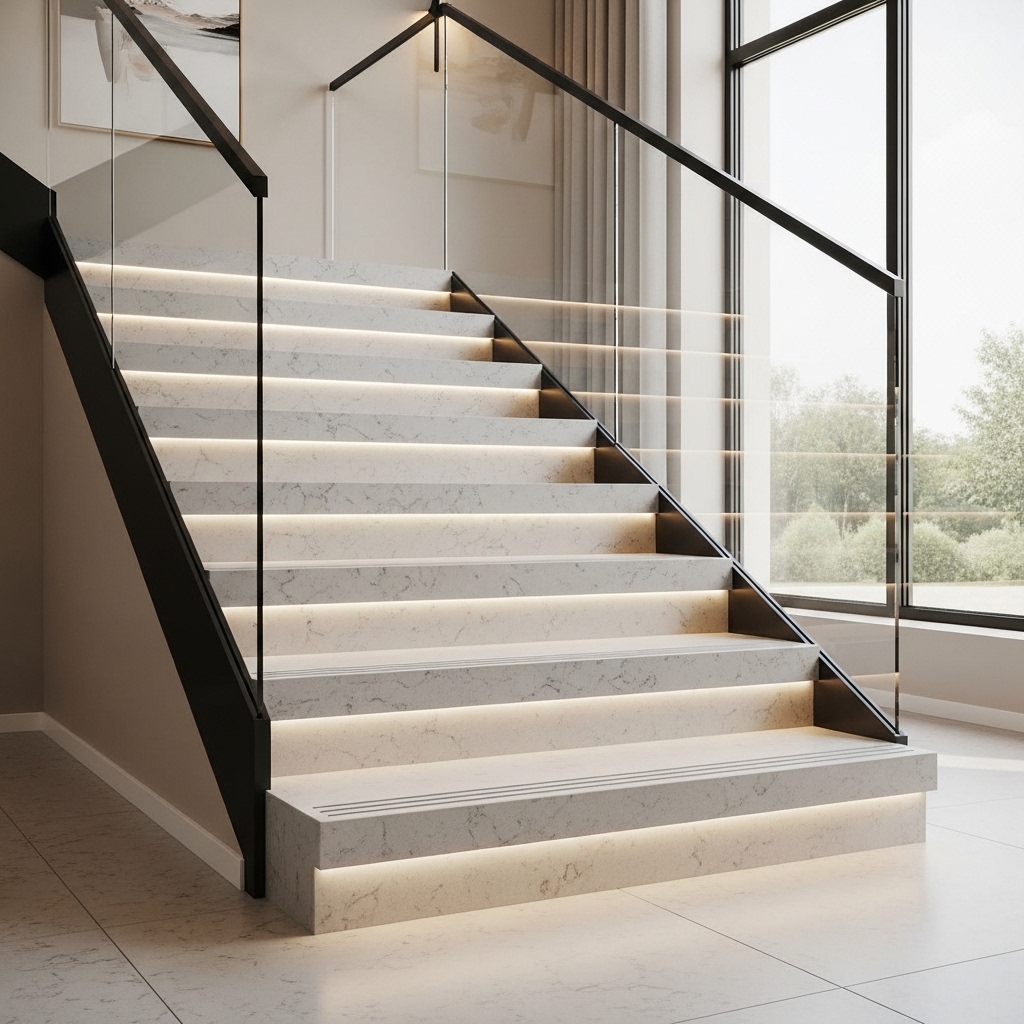
Granite tile measurement guide for stairs
A granite tile measurement guide for stairs focuses on choosing tile modules, planning grout lines, and ensuring nosing and edge details remain durable and visually consistent across repeated steps.
Granite tiles are often selected when slab handling is difficult or when a modular look is preferred, and typical module examples include 600 × 600 mm or 300 × 600 mm depending on the stair geometry and style.
For example, larger modules reduce grout lines and can create a more “slab-like” appearance on treads and risers, while smaller modules can adapt more easily to tight turns and complex landings.
On stairs, joint placement is critical—grout lines should not land awkwardly on the step nose, and consistent alignment from step to step makes the flight look straight and professionally installed.
Planning also includes edge finishing (trim pieces or nosing profiles) so the front edge remains protected under heavy traffic and the staircase maintains a neat termination at corners and landings.
Granite tiles size in the UAE is commonly available in formats like 300 × 300 mm, 600 × 600 mm, and rectangular cuts, making them suitable for floors, walls, and backsplashes. Tiles are easier to handle and install in certain applications compared to large slabs. For kitchen worktops, however, designers focus more on the standard size of kitchen countertop to ensure proper ergonomics.
Granite Tiles Size Guide for Kitchen Countertop Layouts
A granite tiles size guide for kitchen countertop layouts often features modular sizes such as 300 × 300 mm, 600 × 300 mm, or custom-cut pieces derived from larger slabs. These formats allow precise fitting around sinks, edges, and backsplashes. Selecting the right tile dimensions is crucial for a clean, durable kitchen countertop layout with consistent grout lines and edge alignment.
Granite Tiles Size Standards for Raised Floor Projects
Granite tiles size standards are widely used in projects that incorporate a raised floor due to their modular compatibility. Common tile sizes such as 600 × 600 mm and 800 × 800 mm align well with access floor grids, allowing easy removal for underfloor services without disrupting the overall design.