
Slab Size Considerations for Construction Projects
Slab size (general stone/engineered slab size) varies by material, but most countertop slabs fall into a few practical ranges: engineered stone slabs are commonly 56 in × 120 in (142.24 cm × 304.80 cm) or 63 in × 126 in (160.02 cm × 320.04 cm), while many natural-stone slabs (granite, marble, quartzite) are often supplied around 108–120 in long × 60–78 in wide (274.32–304.80 cm × 152.40–198.12 cm), depending on quarry and bundle. Smaller “half” or utility slabs can be closer to 96 in × 48 in (243.84 cm × 121.92 cm) for certain projects. Typical slab thickness choices are 2 cm (0.79 in / 20 mm) and 3 cm (1.18 in / 30 mm), with 1.5 cm (0.59 in / 15 mm) sometimes used for wall cladding, furniture tops, or other lighter applications.
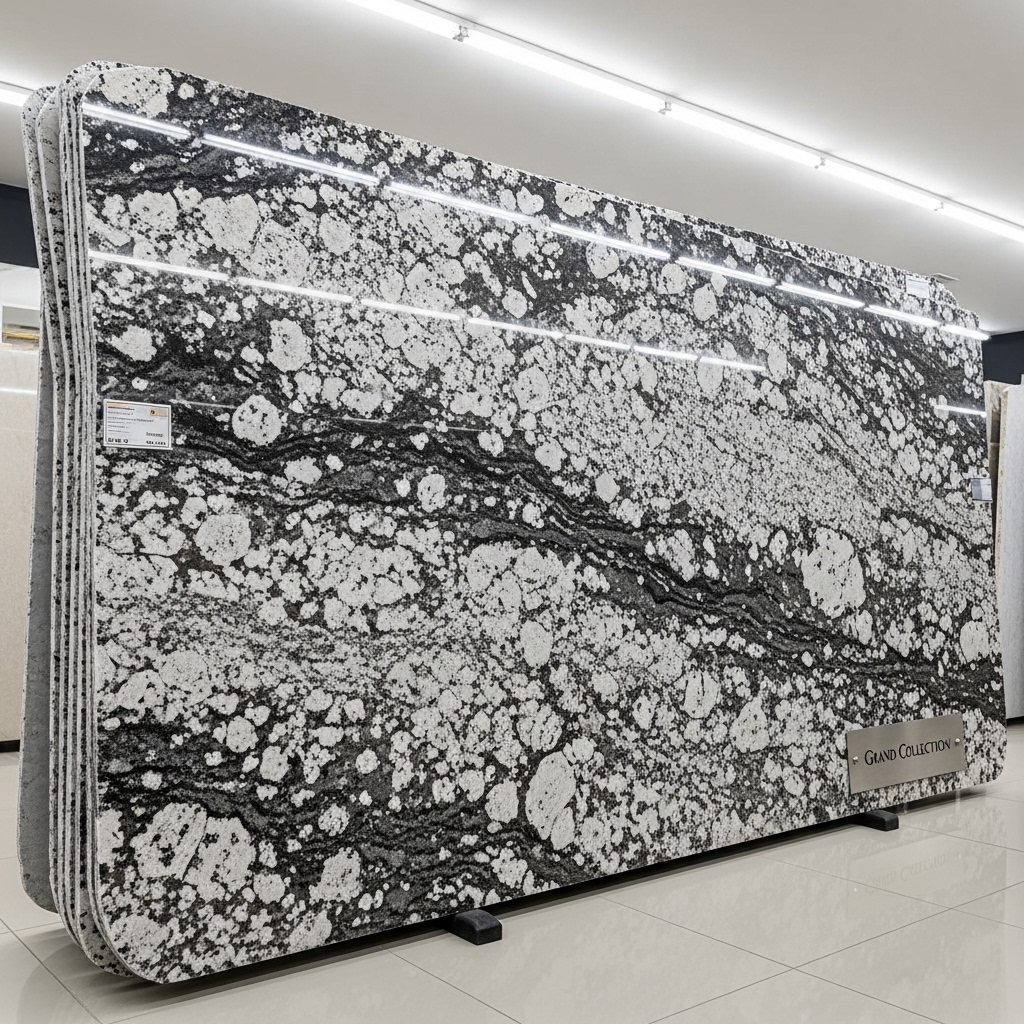
Regular Size
56 in × 120 in (engineered stone) or about 120 in × 72 in (natural stone), thickness 0.79 in (2 cm) or 1.18 in (3 cm).
Jumbo Size
63 in × 126 in (engineered jumbo) or 126 in × 78 in (natural-stone jumbo), thickness 0.79 in (2 cm) or 1.18 in (3 cm).
Super Size
78 in × 138 in (engineered super) or 138 in × 78 in (natural-stone super), thickness 0.79 in (2 cm) or 1.18 in (3 cm).
Super Jumbo
137.80 in × 78.74 in (engineered super jumbo) or 138 in × 78 in (natural-stone super), thickness 0.79 in (2 cm) or 1.18 in (3 cm).
Mini Slab
48 in × 96 in (mini slab) or 96 in × 48 in (mini stone), thickness 0.79 in (2 cm) or 1.18 in (3 cm).
Choosing the Right Slab Measurements
Choosing the right slab measurements is crucial for achieving the desired outcome in any project.
First, consider the project dimensions; for instance, a kitchen countertop typically requires slabs that are at least 2 cm thick, while larger surfaces like dining tables may need 3 cm thickness for added durability.
Next, the desired aesthetic plays a significant role; if a sleek, modern look is preferred, larger slabs with minimal seams are ideal, often measuring 120 cm x 300 cm, whereas a more traditional style may incorporate smaller, patterned slabs.
Budget constraints cannot be overlooked; high-quality materials can range from $50 to $200 per square foot, so it’s essential to balance quality with affordability.
Additionally, the fabricator’s expertise should guide your choices; some fabricators specialize in intricate designs and may recommend specific slab sizes that align with their capabilities.
Lastly, specific design requirements, such as the need for cutouts for sinks or appliances, will dictate the slab measurements; for example, a standard sink cutout may require a minimum of 60 cm in width, impacting the overall slab size needed. By carefully considering these factors, you can select the right slab measurements that meet both functional and aesthetic needs.
Big Slab Formats: Main Advantages
Choosing the right slab measurements or opting for big slab formats can significantly enhance both aesthetic appeal and functionality in various applications.
One of the main advantages is the reduction in grout lines, which not only creates a more seamless and visually appealing surface but also simplifies maintenance, as fewer joints mean less dirt accumulation. For instance, using large format tiles can reduce grout lines by up to 80%, making cleaning much easier.
Additionally, larger slabs can create a sense of spaciousness in a room, as they tend to draw the eye across the surface without interruption. This is particularly beneficial in smaller spaces, where the illusion of a larger area can be achieved.
Furthermore, big slab formats often come with enhanced durability and strength, making them suitable for high-traffic areas. Many large slabs are made from materials like porcelain or natural stone, which can withstand significant wear and tear, with some products rated for commercial use.
Finally, the versatility of large slabs allows for creative design options, enabling unique layouts and patterns that can elevate the overall design of a space. By carefully selecting the right measurements and formats, homeowners and designers can achieve a harmonious balance of beauty and practicality.
General Waste Allowance for Stone Slabs
General Waste Allowance for stone slabs is an essential consideration in the procurement and installation process of natural stone materials. Typically, a waste allowance of around 10% to 15% is recommended to account for potential breakage, cutting errors, and other unforeseen issues that may arise during handling and installation. This percentage can vary based on the type of stone, the complexity of the project, and the experience of the installers. For instance, when ordering 100 square meters of stone slabs, a waste allowance of 10% would mean an additional 10 square meters should be ordered, bringing the total to 110 square meters.
It is crucial to assess the specific project requirements, as intricate designs or patterns may necessitate a higher waste allowance to ensure that sufficient material is available for adjustments. Additionally, factors such as the stone’s thickness and the cutting methods employed can influence the amount of waste generated.
Proper planning and communication with suppliers and installers can help minimize waste and ensure that the project stays within budget while achieving the desired aesthetic and functional outcomes.
Stone Slabs: Biggest Format You Can Source
Stone slabs are increasingly becoming a popular choice in both residential and commercial spaces due to their aesthetic appeal and durability. One of the most significant advantages of stone slabs is their size. The biggest formats available can reach dimensions of up to 3200mm x 1600mm (approximately 10.5 feet by 5.25 feet), allowing for expansive surfaces with minimal seams. This is particularly beneficial in applications such as kitchen countertops, where a seamless look is often desired for both functionality and visual impact.
When considering the thickness of these slabs, they typically range from 12mm to 30mm, depending on the type of stone and the intended use. Thicker slabs are often preferred for high-traffic areas or surfaces that require additional strength, while thinner options can be used for wall cladding or decorative elements. The weight of these slabs can also be considerable, with some larger formats weighing over 1000 kg (approximately 2200 lbs). This necessitates careful planning during installation, including the need for specialized equipment and skilled labor to ensure proper handling and placement.
In terms of material, stone slabs can be sourced from a variety of natural stones, including granite, marble, quartzite, and limestone. Each type of stone offers unique characteristics, such as color variations, patterns, and durability levels. Granite, for instance, is renowned for its hardness and resistance to scratches, making it an ideal choice for kitchen surfaces. On the other hand, marble is celebrated for its elegance and is often used in bathrooms and luxury spaces, despite being more susceptible to staining and scratching.
The sourcing of these large-format stone slabs has become more accessible due to advancements in quarrying and processing technologies. Many suppliers now offer a wide range of options, allowing designers and homeowners to select from an extensive palette of colors and finishes. This variety enables the creation of customized spaces that reflect individual tastes and styles. Additionally, the trend towards larger slabs aligns with contemporary design principles that favor open spaces and minimalistic aesthetics, making them an ideal choice for modern architecture.
In conclusion, the availability of large-format stone slabs has revolutionized the way surfaces are designed and utilized in various settings. With their impressive dimensions, diverse material options, and aesthetic versatility, these slabs not only enhance the beauty of a space but also provide practical benefits that cater to the demands of modern living. As the market continues to evolve, the potential for innovative applications and designs using these stone slabs is limitless.
Stone Slabs: Thickness for High-Traffic Floors
Stone slabs are increasingly popular for high-traffic floors due to their durability and aesthetic appeal. When selecting stone slabs for such applications, thickness is a critical factor that directly influences performance and longevity. Generally, stone slabs used in high-traffic areas should be at least 2 centimeters (about 0.79 inches) thick. This thickness provides a robust foundation that can withstand the constant wear and tear associated with heavy foot traffic, reducing the risk of cracking or chipping over time. In commercial settings, where foot traffic can be exceptionally high, opting for thicker slabs, such as those measuring 3 centimeters (approximately 1.18 inches), is advisable. These thicker slabs not only enhance durability but also offer better resistance to impacts and heavy loads, making them ideal for environments like shopping malls, airports, and restaurants. Additionally, thicker slabs can help in minimizing the need for frequent maintenance and replacement, ultimately leading to cost savings in the long run. Another important consideration is the type of stone being used. For instance, granite and quartzite are known for their strength and are often preferred for high-traffic areas. In contrast, softer stones like marble may not be suitable unless they are adequately thickened or treated. The finish of the stone also plays a role; honed or textured finishes can provide better slip resistance, which is crucial in preventing accidents in busy environments. Installation techniques are equally important when it comes to ensuring the longevity of stone slabs in high-traffic areas. Proper subfloor preparation and the use of high-quality adhesives can significantly enhance the performance of the stone. It is also essential to consider the expansion and contraction of the material due to temperature changes, which can be managed through the use of expansion joints. In summary, when selecting stone slabs for high-traffic floors, a thickness of at least 2 centimeters is recommended, with 3 centimeters being ideal for commercial applications. The choice of stone type, finish, and installation methods are all critical factors that contribute to the overall durability and functionality of the flooring. By carefully considering these elements, property owners can ensure that their high-traffic areas remain both beautiful and resilient for years to come.
Slab format guide for walls & decorative surfaces
A slab format guide for walls and decorative surfaces explains how to choose between full slabs, jumbo slabs, and panelized layouts based on wall size, access conditions, visual goals, and the type of pattern in the material.
Full slabs and jumbo slabs are ideal when you want fewer seams and a more monolithic look, while panelized formats—where slabs are cut into repeatable pieces—often improve handling and create a deliberate joint rhythm that can complement modern architecture.
For example, a decorative wall might be designed as two large panels to keep the look minimal, or as a grid of large rectangles (such as 800 × 1600 mm panels as an illustrative option) when you want symmetry and easier replacement of individual sections.
Thickness selection is part of format planning: wall panels often use 6–12 mm materials for weight control, while thicker slabs can be chosen when edges will be visible or when the design includes returns and wrapped corners.
The best slab format choice also depends on seam strategy—placing joints at corners, within shadow gaps, or along cabinetry edges helps the decorative surface appear cleaner and more intentional.
Slab format guide for stairs
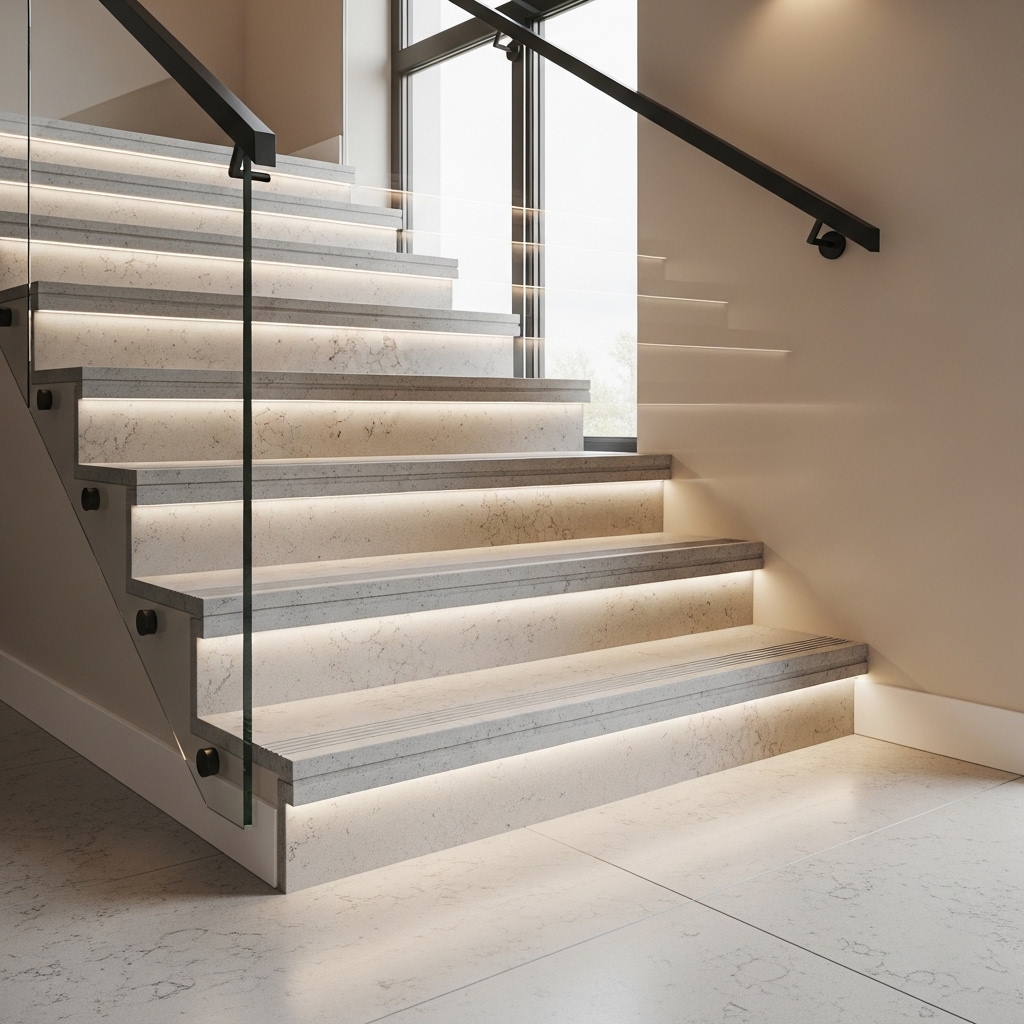
A slab format guide for stairs explains how large slabs are converted into repeated step components while balancing visual continuity, durability, and installation practicality.
Common formats include solid tread pieces, tread-and-riser sets, landing panels, and optional side skirting or stringer cladding, with the layout designed to minimize seams in high-visibility zones.
For example, a clean modern staircase may use repeated tread pieces with consistent orientation and minimal joints, while a more dramatic design may sequence veined slabs so the pattern appears to climb the staircase.
Edge detailing is also part of format selection: eased edges suit modern minimal designs, while bullnose profiles provide a softer traditional look and additional edge protection.
A good format guide also considers transport and handling—choosing panel sizes that can be safely moved and installed without compromising alignment or risking damage.
When designers in the UAE talk about slab size, they usually mean the overall length, width, and thickness of stone used for countertops, flooring, or wall cladding, with many engineered stones around 3040 × 1440 mm and natural stones varying more by quarry. These dimensions directly affect seam placement, yield, and installation cost, especially for long kitchen counters or feature walls. For natural materials, comparisons are often made with marble size in feet, which is still a common reference point in local stone yards.
Slab Size Planning Tips for Corian Countertops and Worktops
Slab size planning tips for Corian countertops and worktops emphasize using sheet sizes that allow smooth, continuous surfaces with minimal joints, often around 3660 × 760 mm depending on the manufacturer. Proper planning accounts for sink cutouts, backsplashes, and edge build-ups while maintaining structural integrity. Choosing corian countertops with the right slab or sheet size helps fabricators achieve seamless transitions, especially for curved or integrated designs.
Slab Size Planning for Raised Floor Systems
Slab size planning becomes a technical requirement when designing finishes around a raised floor system. Designers usually select slabs between 3000–3200 mm in length to align with modular floor grids and reduce cutting waste. Proper planning ensures slab joints do not clash with access panels, maintains consistent finished floor heights, and supports smooth installation in commercial and IT-enabled spaces.