
Typical Stone Slab Size
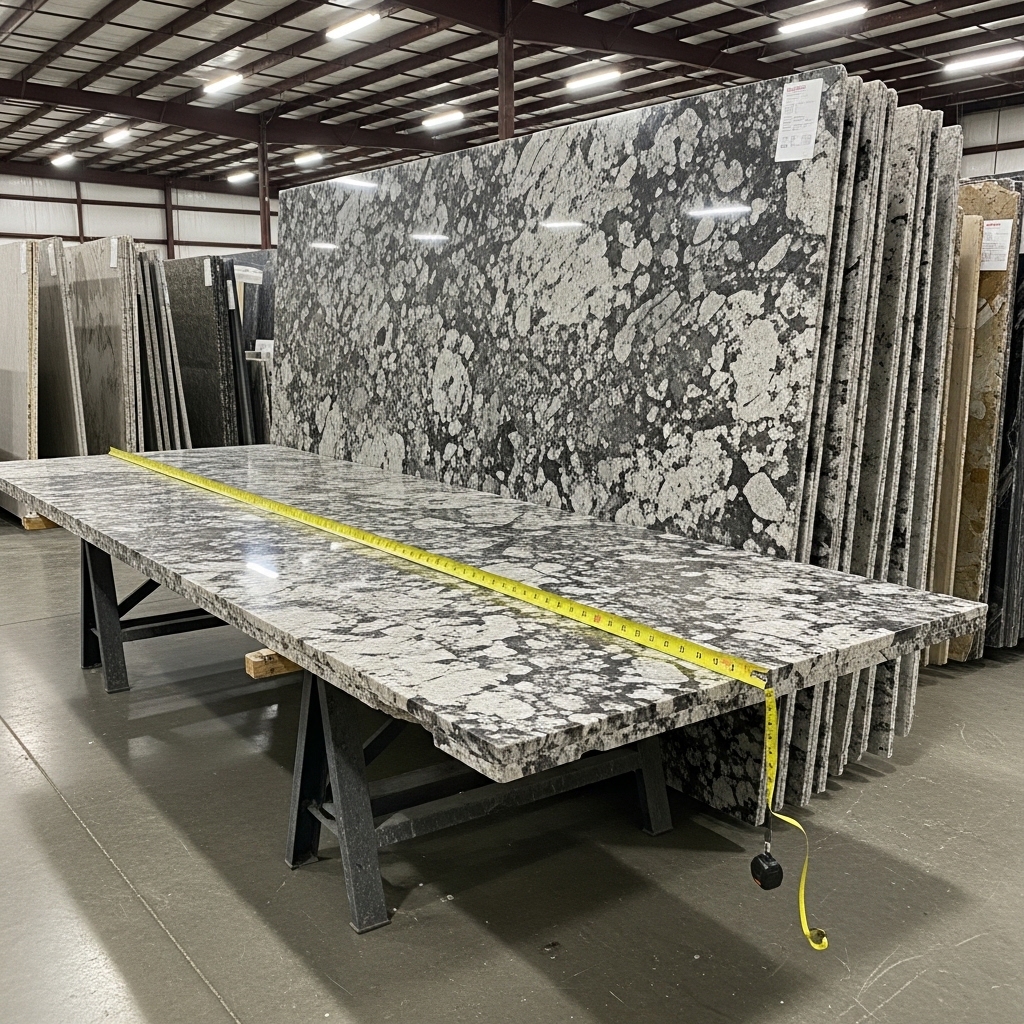
Typical stone slab size (natural stone like granite, marble, quartzite) varies by quarry, but many countertop stone slabs commonly land in the range of about 108–120 in long × 60–72 in wide (274.32–304.80 cm × 152.40–182.88 cm). Wider pieces are also seen in many markets, with some slabs around 126 in × 78 in (320.04 cm × 198.12 cm) when the quarry produces larger cuts, while smaller half-slabs can be about 96 in × 48 in (243.84 cm × 121.92 cm) for compact projects. Standard stone slab thickness is typically 2 cm (0.79 in / 20 mm) or 3 cm (1.18 in / 30 mm), and 1.5 cm (0.59 in / 15 mm) is also common for wall cladding, backsplashes, and lighter installations.
Regular Size
108–120 in × 60–72 in, thickness 0.79 in (2 cm) or 1.18 in (3 cm).
Jumbo Size
126 in × 78 in, thickness 0.79 in (2 cm) or 1.18 in (3 cm).
Super Size
138 in × 78 in, thickness 0.79 in (2 cm) or 1.18 in (3 cm).
Super Jumbo
138 in × 78 in, thickness 0.79 in (2 cm) or 1.18 in (3 cm).
Mini Slab
96 in × 48 in, thickness 0.79 in (2 cm) or 1.18 in (3 cm).
Typical Natural-Stone Sheet Dimensions
Typical natural-stone sheet dimensions can vary significantly, with common sizes ranging from 2×3 feet to 4×8 feet, depending on the type of stone and its intended use. When selecting dimensions for a project, it is essential to consider the project dimensions, as larger sheets can minimize seams and create a more cohesive look, while smaller sheets may be more manageable for intricate designs.
The desired aesthetic plays a crucial role in determining the appropriate dimensions; for instance, a modern, minimalist design may benefit from larger, uninterrupted slabs, while a more traditional style might incorporate smaller tiles for added texture and detail.
Budget constraints are also a significant factor, as larger sheets often come at a premium price, and the cost of installation can increase with more complex cuts and layouts. It is advisable to balance the size of the stone with the overall budget to ensure that the project remains financially viable.
The fabricator’s expertise should not be overlooked, as some may specialize in specific types of stone or cutting techniques, which can influence the dimensions that are feasible for your project. For example, a fabricator experienced in working with granite may offer larger sheets than one who specializes in marble.
Lastly, specific design requirements, such as the need for custom shapes or finishes, can dictate the dimensions of the stone. For example, if a project requires a unique countertop shape, the dimensions may need to be adjusted accordingly, potentially leading to increased waste or additional costs. Overall, careful consideration of these factors will ensure that the selected natural-stone dimensions align with the project’s goals and constraints.
Natural-Stone Sheet Formats: Why Bigger Wins
Natural-stone sheet dimensions offer several advantages that make larger formats increasingly popular in both residential and commercial applications.
One of the primary benefits of larger sheets, often measuring 3×6 feet or even 5×10 feet, is the reduction in the number of seams required during installation. Fewer seams not only create a more seamless and visually appealing surface but also minimize the potential for water infiltration and staining, which can occur at joint lines.
Additionally, larger sheets can enhance the perception of space in a room, making it feel more open and cohesive. For instance, using a single large slab for a countertop or backsplash can create a striking focal point that draws the eye, whereas smaller tiles may disrupt the flow.
Furthermore, larger formats can lead to cost savings in both material and labor. With fewer pieces to cut and install, the overall installation time is reduced, which can translate to lower labor costs.
In terms of design versatility, larger natural-stone sheets allow for more creative applications, such as expansive wall cladding or oversized tabletops, which can elevate the aesthetic of any space. Overall, the advantages of typical natural-stone sheet dimensions underscore why bigger formats are becoming the preferred choice for many designers and homeowners alike.
Natural-Stone Slab Material: Typical Offcuts
Natural-stone slab material is renowned for its durability and aesthetic appeal, making it a popular choice for countertops, flooring, and various architectural applications. However, during the fabrication process, typical offcuts are generated, which can vary significantly depending on the type of stone and the complexity of the project. For instance, when cutting granite slabs, approximately 20-30% of the material may become offcuts due to the need for precise dimensions and the elimination of imperfections. These offcuts, often left as remnants, can be repurposed for smaller projects such as backsplashes, coasters, or even decorative elements, thereby minimizing waste.
To effectively utilize these offcuts, it is essential to consider their dimensions and thickness; for example, a 2 cm thick offcut can be transformed into a stylish serving tray or a small table, while larger pieces can serve as unique accent features in landscaping.
Additionally, many fabricators and suppliers offer guidance on how to best use these offcuts, encouraging creativity and sustainability in design. By embracing the potential of natural-stone offcuts, homeowners and designers can achieve both functional and visually appealing results while contributing to environmentally responsible practices.
Natural-Stone Slab Material: Largest Format
Natural-stone slab material has gained immense popularity in recent years, particularly in the realm of interior and exterior design. One of the most significant advantages of using large-format natural stone slabs is their ability to create a seamless and elegant appearance. These slabs can be produced in sizes that exceed 10 feet in length and 5 feet in width, allowing for expansive surfaces with minimal joints. This not only enhances the aesthetic appeal but also simplifies maintenance, as fewer grout lines mean less accumulation of dirt and grime.
The durability of natural stone is another compelling reason for its use in various applications. Materials such as granite, marble, and quartzite are renowned for their strength and resistance to wear and tear. For instance, granite has a Mohs hardness rating of 6 to 7, making it one of the hardest natural stones available. This characteristic makes it an ideal choice for high-traffic areas, such as kitchen countertops and flooring.
Moreover, large-format slabs can be utilized in a variety of settings, from residential homes to commercial spaces. In bathrooms, these slabs can be used for shower walls and vanities, creating a luxurious spa-like atmosphere. In outdoor settings, they can be employed for patios and walkways, providing a natural and timeless look that complements the surrounding landscape. The versatility of natural stone allows designers to incorporate it into various styles, from modern to traditional, enhancing the overall design narrative.
Another noteworthy aspect is the sustainability of natural stone. As a natural resource, it is often quarried with minimal environmental impact, especially when sourced responsibly. Many manufacturers are now adopting eco-friendly practices, such as recycling water used in the cutting process and minimizing waste. This commitment to sustainability makes natural stone an attractive option for environmentally conscious consumers.
In conclusion, the use of large-format natural-stone slabs offers a multitude of benefits, including aesthetic appeal, durability, versatility, and sustainability. As the demand for high-quality materials continues to rise, natural stone remains a top choice for those looking to create stunning and functional spaces. With its timeless beauty and robust characteristics, it is no wonder that natural stone is a favored material in the world of design.
Natural-Stone Slab Material: High-Traffic Thickness
Natural stone slabs are increasingly popular in both residential and commercial settings due to their durability and aesthetic appeal. When considering high-traffic areas, the thickness of the stone slab becomes a critical factor. Typically, natural stone slabs come in various thicknesses, with 2 cm (3/4 inch) and 3 cm (1 1/4 inch) being the most common.
The thicker slabs, particularly the 3 cm options, are often recommended for high-traffic areas such as kitchens, hallways, and commercial spaces. This thickness provides enhanced strength and resistance to cracking or chipping, which is essential in environments where heavy foot traffic and potential impacts are common.
Moreover, the weight of thicker slabs contributes to their stability, making them less prone to movement or shifting over time. For instance, a 3 cm thick granite slab can weigh approximately 15-20 pounds per square foot, providing a solid foundation that can withstand the rigors of daily use.
In addition to their physical properties, natural stone slabs offer a unique aesthetic that can elevate the design of any space. With a variety of colors, patterns, and finishes available, they can complement various interior styles, from modern to rustic.
Maintenance is another crucial aspect to consider when selecting natural stone for high-traffic areas. While these materials are generally durable, they do require periodic sealing to protect against stains and moisture. Regular cleaning with appropriate products can help maintain their appearance and longevity.
Ultimately, investing in high-quality natural stone slabs with the right thickness for high-traffic areas ensures that the beauty and functionality of the space are preserved for years to come.
Typical stone slab measurements for walls & decorative surfaces
Typical stone slab measurements for wall use depend on the stone type and quarry yield, so they are often expressed as ranges rather than a single universal standard.
Many natural stones are supplied as large slabs that can be cut into feature panels or modular cladding pieces, allowing designers to control seams and highlight the best movement in the material.
Thickness for wall cladding is commonly chosen to balance weight and durability, with many projects specifying around 10–20 mm for natural stone depending on fixing method and detailing.
For example, a stone feature wall can be planned with larger panels in the focal zone and smaller returns at edges, keeping the most dramatic pattern uninterrupted where it matters most.
Careful sequencing and consistent joint widths help stone panels look composed and intentional, especially on large decorative elevations viewed from multiple angles.
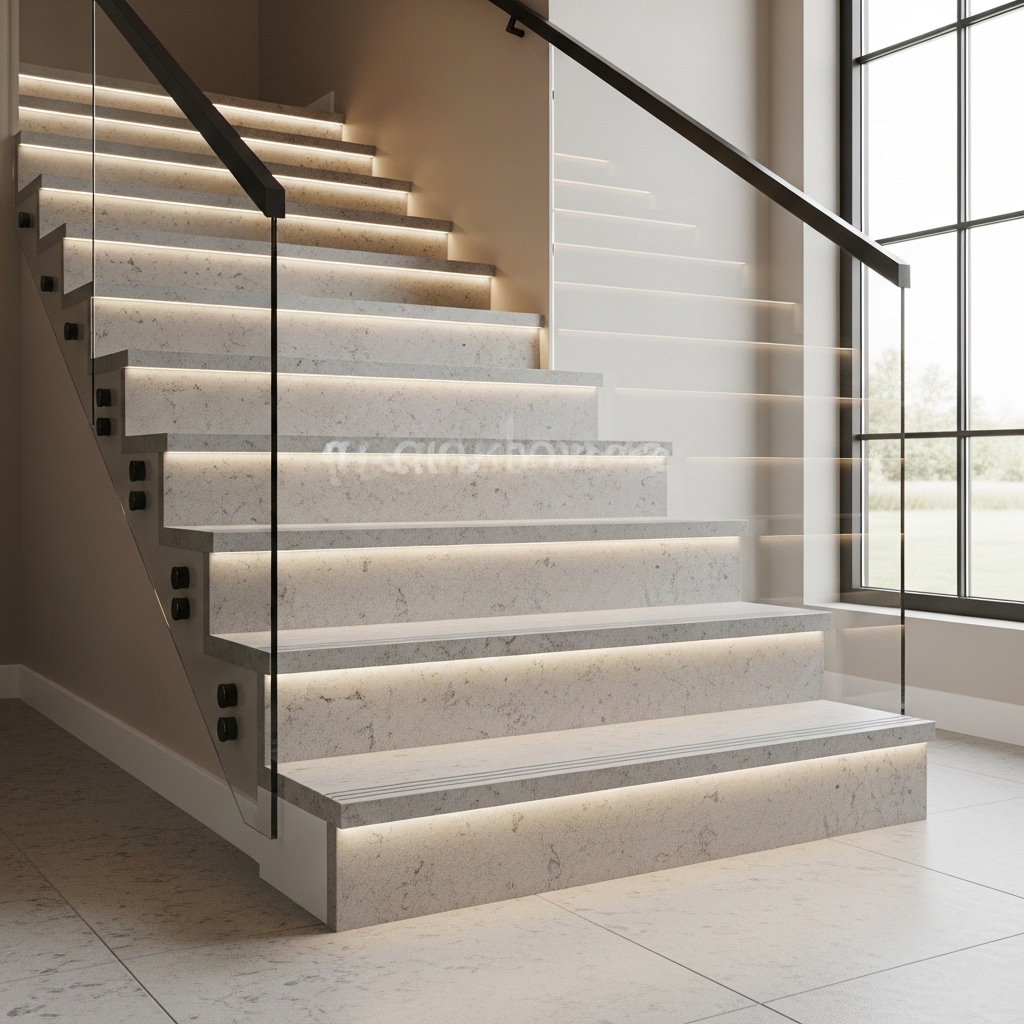
Typical stone slab measurements for stairs
Typical stone slab measurements for stairs vary by material because quarried stones are supplied in ranges, while engineered stones often have more standardized formats, but the planning goals remain the same: continuity, durability, and safe handling.
Natural stones like granite and quartzite are often supplied in slab ranges such as 2400–3300 mm long and 1400–2000 mm wide (typical examples), while engineered quartz commonly appears in set large formats like 3000 × 1400 mm or 3200 × 1600 mm.
For example, wider landings usually benefit from larger slabs to reduce joints, while narrow access routes may require smaller pieces and more modular planning.
Treads commonly use robust thickness (often 20–30 mm depending on stone and design), and edge detailing is chosen to protect the step nose in high-traffic use.
Good planning also includes sequencing slabs from the same batch or bundle so tone and pattern movement remain cohesive across the staircase.
In the UAE stone industry, typical stone slab size usually falls within the 2800–3200 mm length range and approximately 1400–1800 mm in width, depending on material and quarry. These dimensions allow most kitchen layouts to be fabricated efficiently with minimal joins. Clients often ask what is the size of a slab of granite to confirm whether their design can be achieved from a single piece.
Typical Stone Slab Size for Crema Ivory Marble Style Interiors
A typical stone slab size for Crema Ivory marble style interiors usually falls around 2800–3000 mm in length and 1400–1600 mm in width, allowing large wall panels, countertops, and feature surfaces to be produced with minimal seams. These proportions suit both classic and contemporary layouts. Using slab sizes that complement crema ivory marble helps preserve its soft tone and elegant, uniform appearance throughout the interior.
Typical Stone Slab Size Standards for Raised Floors
Typical stone slab size standards for use with a raised floor usually involve slabs measuring around 3000 × 1500 mm. These proportions provide a practical balance between coverage and handling on site. Using standardized sizes helps maintain consistency, improves installation speed, and supports long-term performance.