
Standard Size of Kitchen Counter
Standard size of kitchen counter typically means the standard height and depth used with common base cabinets: the most common finished counter height is about 36 in (91.44 cm), and the most common finished depth is 25–25.5 in (63.50–64.77 cm) to cover 24 in (60.96 cm) cabinets while allowing a 1–1.5 in (2.54–3.81 cm) overhang. Countertop lengths vary by kitchen, but common single-piece run lengths are often around 72–120 in (182.88–304.80 cm) before seams, and island tops commonly land around 36–60 in wide (91.44–152.40 cm) and 72–120 in long (182.88–304.80 cm). For stone or quartz counters, typical thickness is 2 cm (0.79 in / 20 mm) or 3 cm (1.18 in / 30 mm), with built-up edging used to create a thicker visual profile of about 1.5 in (3.81 cm).
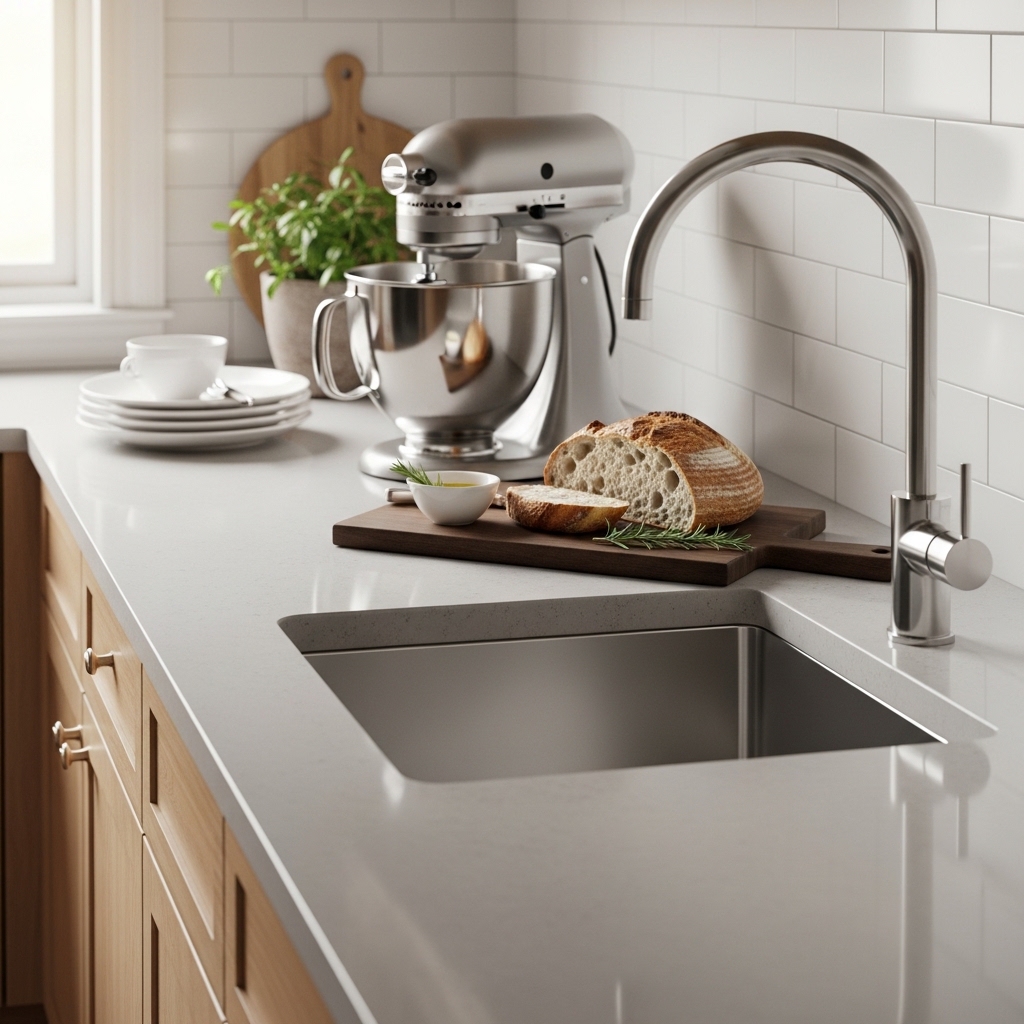
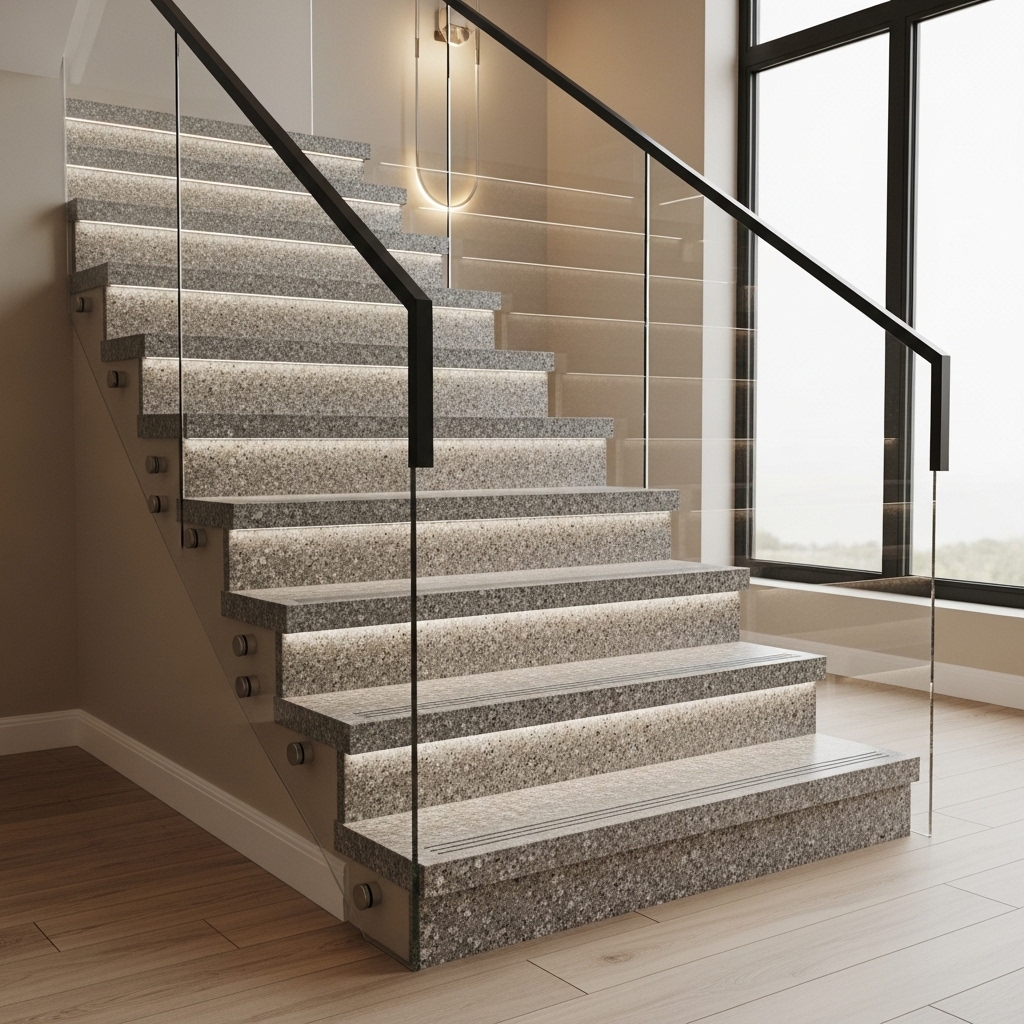
Regular Size
36 in high and 25–25.5 in deep, thickness 0.79 in (2 cm) or 1.18 in (3 cm).
Jumbo Size
36 in high and 25–25.5 in deep, thickness 0.79 in (2 cm) or 1.18 in (3 cm).
Super Size
36 in high and 25–25.5 in deep, thickness 0.79 in (2 cm) or 1.18 in (3 cm).
Super Jumbo
36 in high and 25–25.5 in deep, thickness 0.79 in (2 cm) or 1.18 in (3 cm).
Mini Slab
36 in high and 25–25.5 in deep, thickness 0.79 in (2 cm) or 1.18 in (3 cm).
Standard Kitchen Counter Dimensions
Standard kitchen counter dimensions typically range from 24 to 30 inches in depth and 36 inches in height, providing a comfortable working surface for most users.
When considering project dimensions, it’s essential to assess the overall layout of the kitchen, ensuring that the counters fit seamlessly within the space while allowing for adequate movement and accessibility.
The desired aesthetic plays a crucial role in selecting materials and finishes; for instance, a modern kitchen may favor sleek quartz or granite surfaces, while a rustic design might incorporate reclaimed wood.
Budget constraints are also a significant factor, as high-end materials can range from $50 to $200 per square foot, while more economical options may start around $10 per square foot.
The fabricator’s expertise should not be overlooked, as their skill level can influence the quality of the installation and the longevity of the materials chosen.
Finally, specific design requirements, such as incorporating integrated sinks or unique edge profiles, can affect both the dimensions and the overall cost, making it vital to communicate these needs clearly during the planning phase.
Standard Kitchen Counter Dimensions: Jumbo Perks
Standard kitchen counter dimensions offer numerous advantages that enhance both functionality and aesthetics in the kitchen. One of the primary benefits is the ergonomic design, as standard heights typically range from 34 to 36 inches, allowing for comfortable food preparation and cooking without straining the back.
Additionally, standard depths of 24 inches provide ample workspace while ensuring that appliances and cabinetry fit seamlessly, promoting an organized and efficient kitchen layout.
The consistency in dimensions also simplifies the process of selecting countertops, cabinetry, and appliances, as most manufacturers design products to fit these standard measurements.
This uniformity not only streamlines renovations and new builds but also helps in budgeting, as standard sizes often come at a lower cost due to mass production.
Furthermore, adhering to standard dimensions can enhance resale value, as potential buyers are more likely to appreciate a kitchen that meets their expectations for space and usability.
Overall, standard kitchen counter dimensions create a harmonious balance of comfort, efficiency, and style, making them a wise choice for any kitchen design.
Kitchen Counter Standards: Expected Offcuts
When considering kitchen counter standards, it is essential to account for expected offcuts, which are the leftover pieces of material after the countertop has been fabricated. Typically, the offcut percentage can range from 10% to 20%, depending on the complexity of the design and the layout of the countertop. For instance, if a homeowner orders a countertop that measures 50 square feet, they might expect to have between 5 to 10 square feet of offcuts.
These offcuts can be utilized in various ways, such as creating matching backsplashes, cutting boards, or even small shelving units, thereby maximizing the use of the material and minimizing waste.
It is also important to consider the type of material being used, as different materials have varying offcut rates; for example, natural stone may yield more offcuts due to its irregular shapes compared to engineered quartz, which is often produced in standard sizes.
Proper planning and measurement can significantly reduce offcuts, and consulting with a professional can help ensure that the kitchen design is both aesthetically pleasing and efficient in material usage.
Standard Kitchen Counters: Biggest Format
Standard kitchen counters typically range in height from 34 to 36 inches, with the most common height being 36 inches. This height is designed to provide a comfortable working surface for most individuals, allowing for efficient meal preparation and cooking. The depth of standard kitchen counters is usually around 25 to 26 inches, providing ample space for appliances, food preparation, and other kitchen tasks.
When it comes to length, kitchen counters can vary significantly based on the layout and size of the kitchen. A standard countertop section can range from 4 to 12 feet in length, with many homeowners opting for longer stretches to accommodate multiple cooking zones or to create an island effect. For instance, a typical L-shaped kitchen might feature counters that extend 10 feet along one wall and 8 feet along the adjacent wall, creating a functional and aesthetically pleasing workspace.
In terms of materials, kitchen counters can be made from a variety of surfaces, including granite, quartz, laminate, and wood. Each material offers different benefits, such as durability, maintenance requirements, and aesthetic appeal. For example, granite countertops are known for their heat resistance and unique patterns, while quartz offers a non-porous surface that is easier to maintain.
The thickness of standard kitchen countertops generally ranges from 1 to 1.5 inches, with thicker options available for those seeking a more substantial look. Additionally, the edge profile of the countertop can vary, with options such as beveled, bullnose, or square edges, allowing homeowners to customize the appearance to match their kitchen design.
Overall, the dimensions and materials of standard kitchen counters play a crucial role in the functionality and style of a kitchen. With careful consideration of these factors, homeowners can create a workspace that not only meets their cooking needs but also enhances the overall aesthetic of their home.
Standard Kitchen Counters: Thickness for High Use
When selecting standard kitchen counters, the thickness is a crucial factor, especially for high-use environments. Typically, kitchen countertops range from 1 to 3 inches in thickness, with 1.5 inches being the most common choice for residential kitchens. Thicker countertops, such as those measuring 2 to 3 inches, are often preferred in commercial settings or for homeowners who desire a more robust aesthetic.
The thickness of the countertop not only affects its durability but also its ability to withstand the rigors of daily use. Thicker countertops tend to be more resistant to chipping and cracking, making them ideal for kitchens that see a lot of activity. For instance, granite and quartz countertops that are 2 inches thick can provide enhanced stability and support, especially when accommodating heavy appliances or frequent chopping and cutting.
Moreover, the choice of material plays a significant role in determining the appropriate thickness. Materials like granite, quartz, and solid surface can be effectively utilized in thicker profiles, while laminate and butcher block may not require as much thickness to achieve the desired durability. For example, a 1.5-inch thick granite countertop can offer the same level of durability as a 1-inch thick quartz countertop, but the visual impact and perceived quality can differ significantly.
In high-use kitchens, it is also essential to consider the edge profile of the countertop. Thicker countertops allow for more elaborate edge designs, which can enhance the overall aesthetic of the kitchen. A 3-inch thick countertop can accommodate a more pronounced edge, adding character and style to the space.
Ultimately, the thickness of kitchen counters should be chosen based on the specific needs of the user, the style of the kitchen, and the types of activities that will take place in the space. Investing in a thicker countertop can lead to long-term satisfaction, as it provides both functionality and a visually appealing design that can withstand the test of time.
Standard kitchen counter measurements for walls & decorative surfaces
Standard kitchen counter measurements provide a baseline for planning wall slabs, especially when the design includes full-height backsplashes, waterfall sides, or feature panels that must align with cabinetry.
Many kitchens use common benchmarks such as a counter height near 900 mm and a depth near 600 mm (typical examples), which helps coordinate splash protection zones and panel seam placement.
Wall cladding above the counter is often measured to the underside of wall cabinets, shelves, or hood surrounds, and layouts are planned to keep seams away from the most visible central areas.
For example, a full-height backsplash panel can be centered to the hob zone, with joints placed at corners or cabinet boundaries for a cleaner, more intentional look.
Final planning typically includes allowances for silicone at corners, cut-outs for sockets, and consistent joint gaps so the finished wall reads straight and easy to maintain.
Standard kitchen counter measurements for stairs
Standard kitchen counter measurements provide useful reference points for stair design when materials are coordinated between the kitchen and staircase.
Many kitchens follow planning benchmarks such as a countertop height near 900 mm and a depth near 600 mm (typical examples), and those module lines can guide where seams, joints, and pattern direction align in adjacent zones.
For example, if a kitchen island uses long clean runs with minimal joints, the stair landing can mirror that approach by using one dominant panel and pushing seams to edges.
Stair treads still require durable thickness (often 20 mm) and a protected nose edge, even when kitchen cladding panels are lighter, because stairs face heavier wear.
Using shared reference lines and matching detailing (finish, edge profile) helps the kitchen and staircase feel like a single designed system.
The standard size of kitchen counter in UAE homes is generally set at about 600 mm depth for perimeter counters and 900–1200 mm width for islands, with a finished height near 900–950 mm including the stone. These measurements are chosen for both usability and efficient material cutting. To achieve these layouts cleanly, designers must account for the available stone slab size during selection.
Standard Size of Kitchen Counter for Marwa Marble Finishes
The standard size of kitchen counter for Marwa marble finishes typically includes a depth of 600–650 mm, island widths of 900–1200 mm, and a finished height close to 900–950 mm. These proportions allow the stone pattern to remain visually balanced while supporting daily kitchen use. Applying these standards with marwa marble helps achieve a refined look with practical functionality.
Standard Size of Kitchen Counter Alignment with Raised Floors
Standard size of kitchen counter alignment is critical in projects featuring a raised floor. Typical kitchen counters maintain a finished height close to 900 mm, with precise adjustments to accommodate access flooring below. This alignment avoids step differences and ensures smooth integration between fixed cabinetry and raised floors.